
 Search Articles


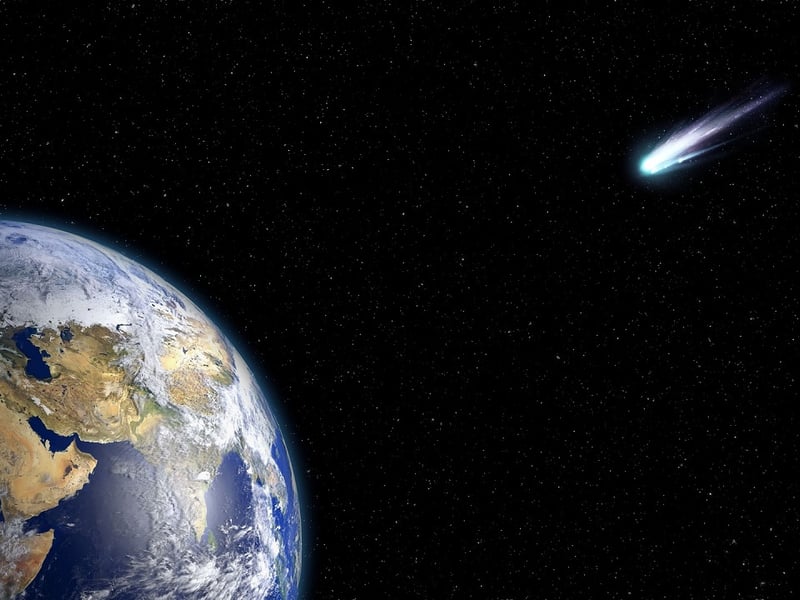
(CN) — Billions of years ago, Earth was a chaotic place, constantly battered by massive meteorites. One of the biggest strikes came around 3.26 billion years ago, when a meteorite the size of four Mount Everests — 200 times bigger than the one that wiped out the dinosaurs — crashed into the planet.
This event left its mark on the planet and may hold key insights into Earth’s early development, including the evolution of life.
In a study published Monday in Proceedings of the National Academy of Sciences, a team of researchers — led by Nadja Drabon, an early-Earth geologist at Harvard University — focused on an area in South Africa called the Barberton Greenstone Belt, where evidence of the impact, known as “S2,” still exists today.
By analyzing rock samples from the area, they’ve discovered what may have happened that day.
“Picture yourself standing off the coast of Cape Cod, in a shelf of shallow water. It’s a low-energy environment, without strong currents,” Drabon said in a statement. “Then all of a sudden, you have a giant tsunami, sweeping by and ripping up the seafloor.”
The researchers say the S2 meteorite caused massive tsunamis that tore through the ocean and pushed debris from land into coastal waters. The impact would have boiled off the top layer of the ocean and heated the atmosphere, sending a thick cloud of dust into the air that blocked sunlight and shut down photosynthesis.
But even with all this destruction, life didn’t stay down for long. According to researchers, bacteria bounced back fast.
“We think of impact events as being disastrous for life,” Drabon said. “But what this study is highlighting is that these impacts would have had benefits to life, especially early on … these impacts might have actually allowed life to flourish.”
In the aftermath, according to the researchers, iron was stirred up from the deep ocean, and phosphorus — delivered by the meteorite and increased erosion on land — created the perfect conditions for iron-metabolizing bacteria to thrive.
Even though this bacterial shift was short-lived, it’s a key piece of the puzzle for understanding how life survived and even grew stronger after such catastrophic events, Drabon says.
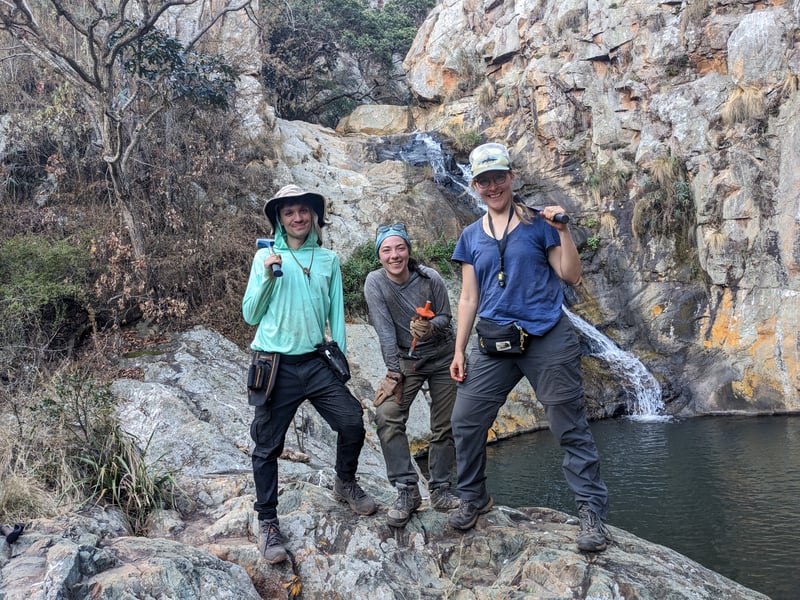
They discovered this evidence by trekking into mountains to gather rock samples that tell the story of these ancient impacts. The Barberton Greenstone Belt holds signs of at least eight major meteorite strikes, and Drabon plans to keep digging—literally and figuratively—to learn more about how these early hits shaped the planet.
“We think of impact events as being disastrous for life,” Drabon said. “But what this study is highlighting is that these impacts would have had benefits to life, especially early on … these impacts might have actually allowed life to flourish.”
Subscribe to our free newsletters
Our weekly newsletter Closing Arguments offers the latest about ongoing trials, major litigation and rulings in courthouses around the U.S. and the world, while the monthly Under the Lights dishes the legal dirt from Hollywood, sports, Big Tech and the arts.