Search Articles


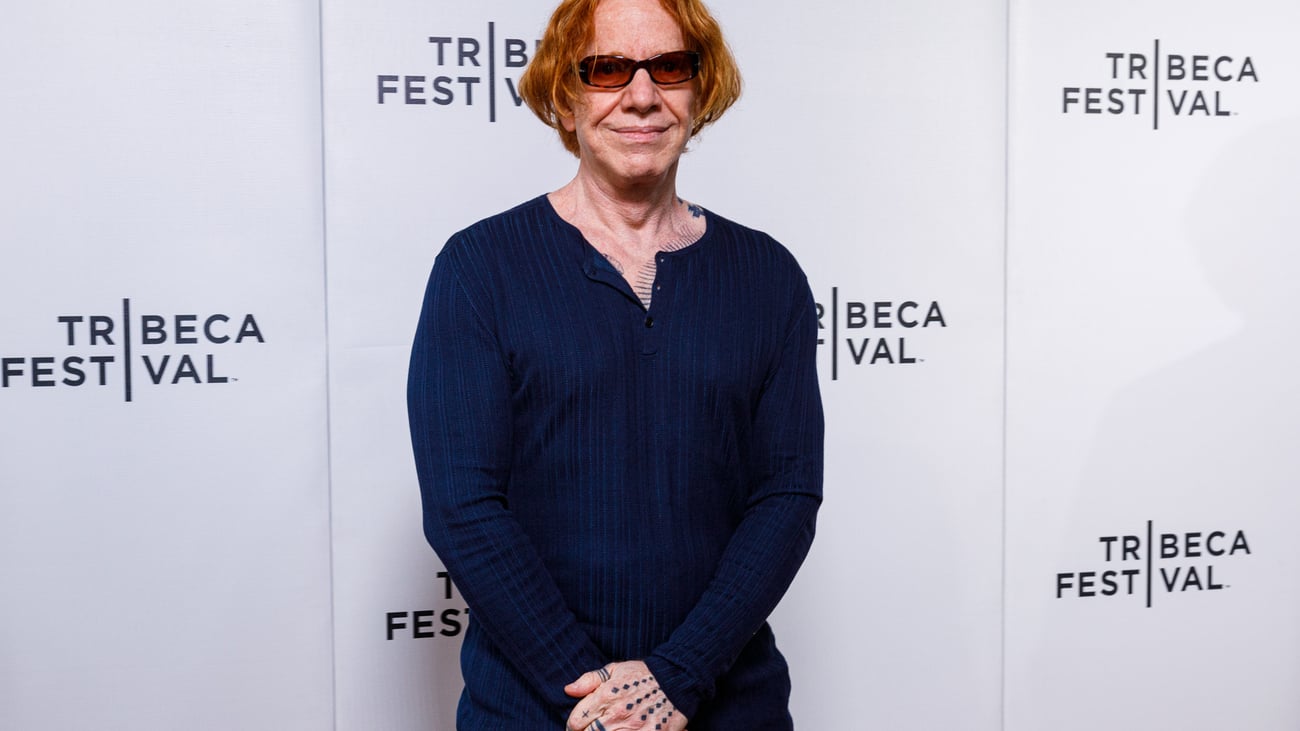
LOS ANGELES (CN) — A California Court of Appeal ruled Thursday that a defamation suit filed against Danny Elfman over his strongly worded sexual misconduct denials had enough merit to move forward and could not be dismissed.
Nomi Abadi, a musician and composer, became friends with Elfman, who is roughly 35 years her senior, in 2015. She and the former singer of Oingo Boingo, who wrote the theme music for “The Simpsons,” enjoyed “a flirty connection at first,” according to a text message she sent her friend, but she also considered him a mentor. But she would later accuse Elfman of various behavior that could be described variously as sexual harassment and misconduct: answering the door in a bathrobe that showed his penis, asking her to send nude photographs of herself (which she did), pressuring her to appear in a nude photo shoot with him and masturbating in front of her while holding her wrist.
In 2018, as the #MeToo movement was in full bloom, Elfman agreed to pay Abadi $830,000 in exchange for her silence, and she signed a nondisclosure agreement. But in 2023, she sued Elfman, citing breach of contract, claiming that he had never quite paid up. That same day, Rolling Stone published an article about the lawsuit, the sexual harassment accusations and the $830,000 settlement. It included an unsparing statement by Elfman, who denied any misconduct and said the younger musician had a “childhood crush” on him and intended to “break up my marriage and replace my wife.”
Abadi then sued Elfman again, this time claiming defamation, writing in her complaint, “In publicly branding Nomi as a liar, and a failed temptress who lied about him for reasons of revenge and greed, Elfman and his representatives defamed Nomi."
Elfman filed an anti-SLAPP motion in an attempt to dismiss the suit on First Amendment grounds, arguing that a letter, which Rolling Stone quoted, was a pre-litigation demand letter and thus protected. But a Superior Court judge rejected the tactic, finding that the letter was really part of a public relations strategy and “a means of rebutting allegations of sexual misconduct rather than a prelitigation demand.” Elfman appealed the ruling.
In its opinion, published late on Wednesday, the three-judge panel mostly sided with Abadi, finding that while the letter to Rolling Stone was, in part, a threat to sue the magazine if it published Abadi’s claims, it was also “clearly intended to provide Rolling Stone with Elfman’s on-the-record responses,” and those were the parts that were quoted.
“Thus, the letter, while not itself a press release, operated in part as the equivalent of a press release by trying to influence any article Rolling Stone might publish,” the judges wrote. “The litigation privilege does not attach to press releases.”
In his appeal, Elfman had also argued that Abadi had orchestrated the Rolling Stone article, citing its curious timing, going online the same day she filed her breach-of-contract lawsuit. But the judges found little evidence to support that claim.
The panel did side with Elfman on one cause of action. The last time the two saw each other was in August 2016, when the two had an argument over the presidential election. Abadi claims Elfman showed her a martini glass filled with a substance and told her it was his semen. Elfman’s representatives told Rolling Stone the glass was filled with Cetaphil moisturizing cream and that Abadi knew it was a “stupid photo prop.”
“Irrespective of what the cocktail glass in fact contained, Elfman’s admittedly crude and ‘juvenile joke’ is not defamatory because it did not expose Abadi ’to hatred, contempt, ridicule, or obloquy,’ and it would not cause her to be shunned, avoided, or injured in her occupation,” the appellate judges wrote. “And, Elfman’s representative’s statement to the contrary that Abadi knew it was just Cetaphil does not convert this incident into a defamatory one about Abadi. At most, the statement was the representative’s or Elfman’s nonactionable opinion about what Abadi knew the cocktail glass contained.”
That cause of action will be stricken from the complaint, but the rest of the defamation lawsuit can proceed toward discovery and trial.
Deborah Drooz, Abadi’s attorney, said in an email that she and her client were “content” with the opinion, adding, “Ms. Abadi is more than gratified that she will finally be able to tell her story to the trial court and ultimately to a jury.”
Elfman’s lawyer did not respond to an email requesting comment.
 Follow @hillelaron
Subscribe to our free newsletters
Our weekly newsletter Closing Arguments offers the latest about ongoing trials, major litigation and rulings in courthouses around the U.S. and the world, while the monthly Under the Lights dishes the legal dirt from Hollywood, sports, Big Tech and the arts.