
 Search Articles


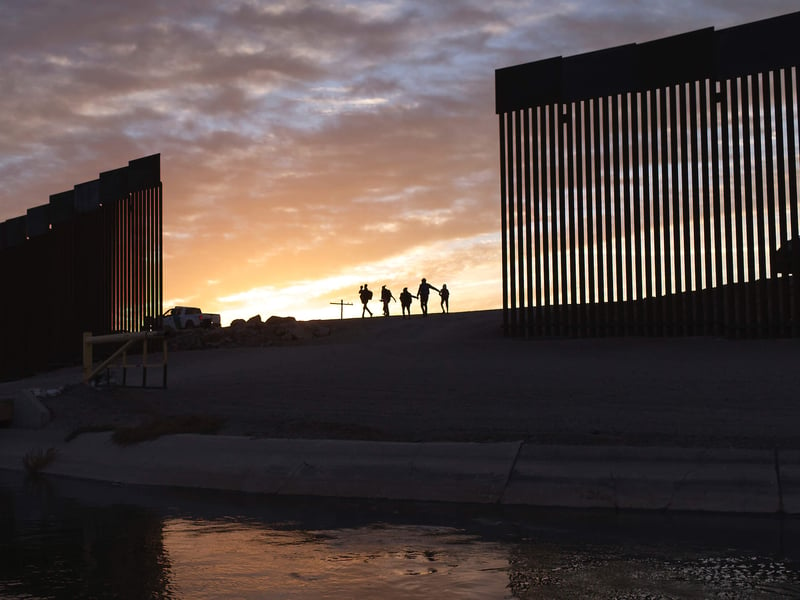
PHOENIX (CN) — Arizona lawmakers on Tuesday advanced plans to move $12.8 million in state funding to cover the cost of prosecuting and transporting undocumented migrants and those seeking asylum.
Local governments will receive $4.8 million in grants to prosecute people entering the U.S. illegally, and $8 million will go toward transporting people who’ve been granted asylum to the Phoenix airport so they can reach their final destination.
The Department of Emergency Military Affairs requested the allocations after consulting with border communities about the mass influx of people entering through the southern border.
Asylum seekers are typically released in Yuma or Tucson and picked up from there by the state’s bussing program.
Everyone on the joint committee agreed with the reallocation, but members split by party on a proposal from committee chairman John Kavanagh, a Republican senator from Fountain Hills, to ensure the Department of Emergency Military Affairs doesn’t spend more than $60 per migrant.
Department director Gabe Lavine voiced his concerns to the committee Tuesday morning.
“This would be impractical for us to abide by,” he said.
The cost of a bus, he explained, will vary based on when it’s ordered, where it’s picking people up and where it’s going. While the average cost per migrant is only $38, well below the proposed limit, the cost per person can also run higher, depending on how many migrants are on a particular bus and how often the buses run.
“To put a cap on an individual ticket doesn’t align with the current operational mode,” Lavine said.
To run fuller buses and ensure the cost doesn’t exceed $60 per person, Lavine said the department would have to wait for at least 24 hours from the time migrants are released by border patrol agents, rather than sending buses as soon as groups of people are released. That would mean those people are waiting on the street without any resources.
Kavanagh countered.
“We have people who have traveled hundreds, if not thousands of miles, on foot mostly, from other countries, and they can’t wait a day for you to fill a bus?” Kavanagh asked. “Well, they’re gonna have to.”
State Representative Judy Schwiebert, a Democrat from Phoenix, told Kavanagh that keeping the people on the street for a day posed a health and safety risk not only to them, but also to the communities they are waiting in.
Schwiebert called the committee’s efforts to limit spending the “very opposite of local control.”
“I’m sorry we’re trying to tie your hands with government red tape,” she told Lavine.
State Representative Stephanie Stahl-Hamilton, a Democrat from Tucson whose district contains two ports of entry, said both her constituents and those coming to the border would benefit most if the department were allowed to spend the money as it deems necessary.
“We’ve got people knocking on our door asking for help,” she said, her tone rising as she spoke. “We’ve got an opportunity to do something right now that is compassionate, that works for our communities, our districts, our people, and those who are asking for a compassionate response.”
Stahl-Hamilton made a substitute motion to approve the reallocation without the $60 spending limit, but it failed. Republicans remained staunch.
“If you want the $8 million, you’re gonna have to agree,” state Representative David Livingston of Peoria said of the $60 cap. “It’s really that simple.”
State Senator Lela Alston, a Democrat from Phoenix, asked the committee if it could change the language so that the department’s average cost can’t exceed $60. Kavanagh shot down the idea.
“I’m not comfortable with that,” he said.
The $12.8 million will be reallocated from three funds: $5.4 million from emergency care and testing; $5 million from local Immigration and Customs Enforcement; and $2.4 million from border fences and technology.
The approval of the reallocation goes toward the fiscal year 2025 state budget that the committee will submit to the governor for approval.
 Follow @JournalistJoeAZ
Subscribe to our free newsletters
Our weekly newsletter Closing Arguments offers the latest about ongoing trials, major litigation and rulings in courthouses around the U.S. and the world, while the monthly Under the Lights dishes the legal dirt from Hollywood, sports, Big Tech and the arts.