Search Articles


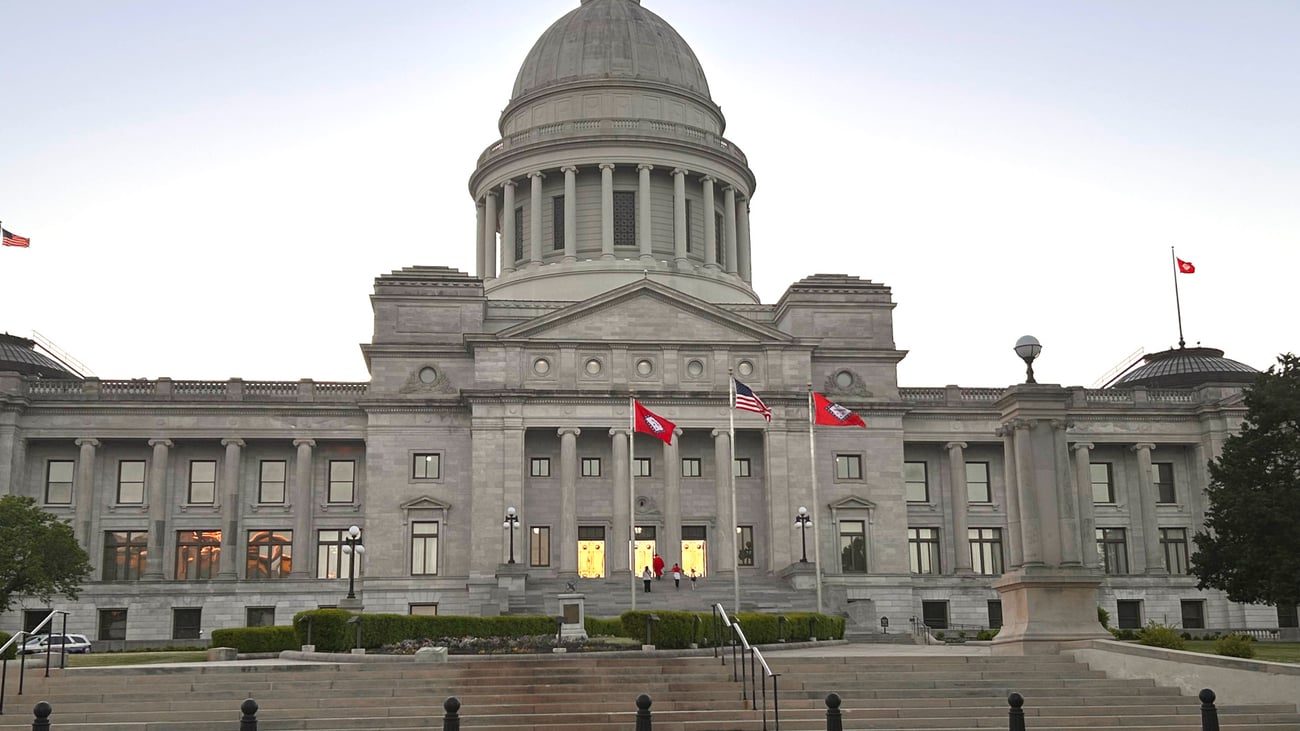
(CN) — Librarians and booksellers fought a 2023 Arkansas law threatening them with jail time for shelving books “harmful to minors” at the Eighth Circuit on Thursday, as the state sought to overturn a lower court injunction blocking two provisions aimed at protecting children from obscene materials.
In 2024, Chief U.S. District Judge Timothy L. Brooks, an appointee of Barack Obama, ruled both provisions facially unconstitutional under the First Amendment due to their vague language.
Whether the federal appeals court should empower local governments to pull titles based on vague notions of appropriateness was at the heart of a lively oral argument opened by Arkansas Solicitor General Autumn Hamit Patterson, who immediately challenged the plaintiffs’ standing to sue.
Library systems, as political subdivisions of the state, “lack First Amendment or due process rights that they can invoke to challenge a state law,” she said, citing precedents.
Chief U.S. Circuit Judge Steven M. Colloton, an appointee of George W. Bush, pressed on Crawford County’s history of book challenges and an existing injunction against the county. Patterson responded that the injunction barred viewpoint-based segregation but still permitted reviews. Even on the merits, she argued, the policy provision merely imposes procedural requirements on libraries’ own curation decisions, amounting to classic government speech not constrained by the First Amendment.
“Curation decisions satisfy every indicia of government speech,” Patterson said, suggesting many libraries already had written policies and challenge processes, so the law simply adds transparency and timelines without dictating content. On vagueness concerns around “appropriateness,” Patterson tied the term to existing age-appropriate selection criteria and noted “perfect clarity” is not required, especially absent criminal penalties.
Patterson defended the law’s obscenity provision as narrowly targeting materials “harmful to minors,” but an attorney for the plaintiffs fired back that the law goes much further by threatening jail time for merely shelving books.
“This case is about whether the state of Arkansas can threaten librarians and booksellers and parents with jail for merely making available a book that is harmful to minors,” John T. Adams of Little Rock-based Fuqua Campbell said.
Adams argued the provision’s passive verbs criminalize availability to any minor, whether they are 6 or 17 years old, forcing libraries to either exclude children or self-censor protected material for adults and older teens.
“There’s no way to know, besides excluding all minors,” he told the panel. He distinguished the law from narrower, previously upheld sale-and-lending rules, contending everything new in Act 372 sweeps too broadly.
On the policy provision, Adams highlighted Crawford County’s real-world challenges, where opponents pressured officials to remove titles like “Uncle Bobby’s Wedding.” The policy provision codifies a “one-way ratchet” favoring removal while sidelining patrons who want books to stay. He argued the statute muddies responsibility among library staff, boards and county officials.
When questioned about a right to influence review processes, Adams pointed to due process limits on government subsidies of speech.
“Once [the government] does that, there are process limitations,” he said.
Patterson rebutted in closing that libraries are not creating a public forum for authors.
“A public library does not acquire books in order to create a public forum for the authors of books to speak,” she said.
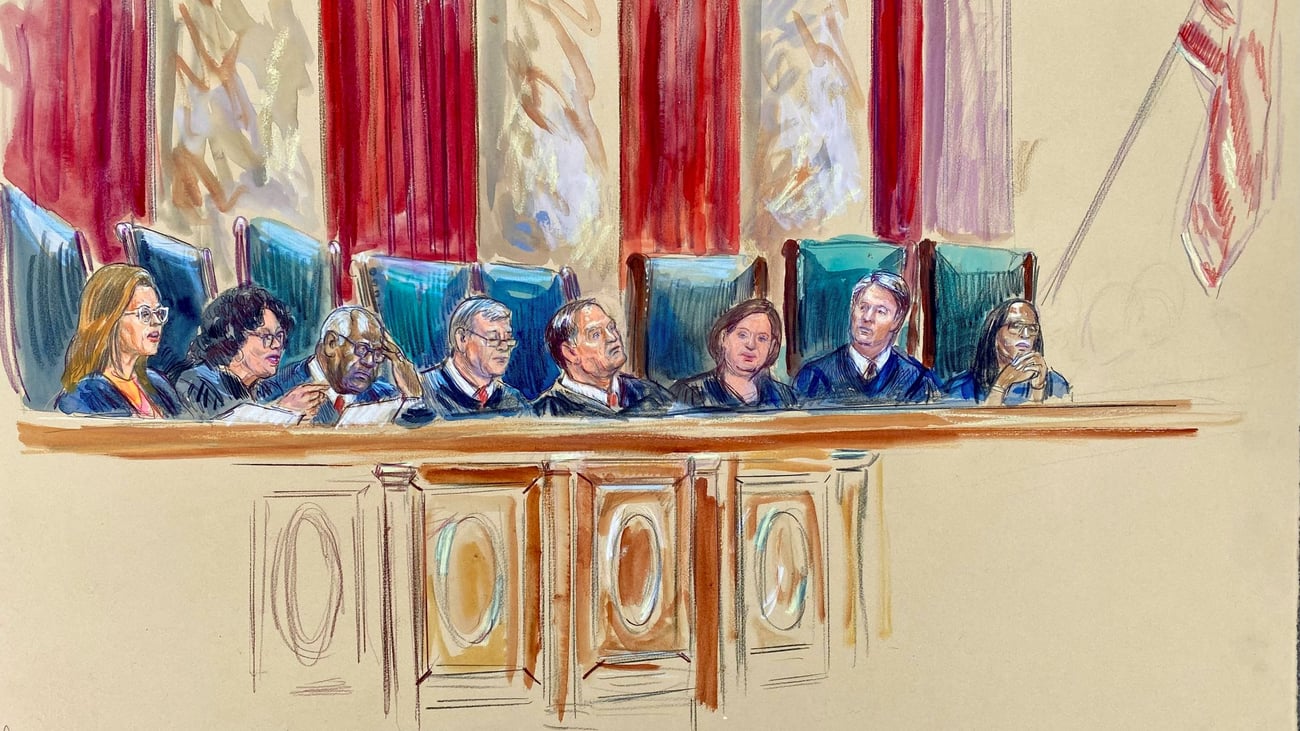
The panel also included U.S. Circuit Judges Ralph R. Erickson and L. Steven Gras, both appointees of Donald Trump. They took the case under submission and will issue a written decision later.
 Follow @gabetynes
Subscribe to our free newsletters
Our weekly newsletter Closing Arguments offers the latest about ongoing trials, major litigation and rulings in courthouses around the U.S. and the world, while the monthly Under the Lights dishes the legal dirt from Hollywood, sports, Big Tech and the arts.