
 Search Articles


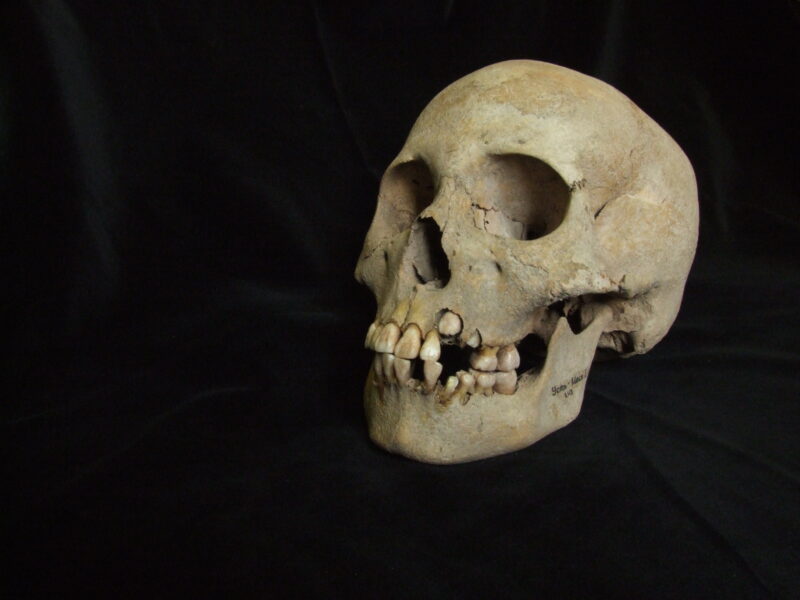
(CN) — Plague may have been devastating human communities thousands of years before the first cities appeared.
Researchers analyzing ancient DNA from prehistoric hunter-gatherers in Siberia present evidence of plague outbreaks dating back roughly 5,500 years, making them the oldest known plague epidemics ever documented in humans.
In a study published Wednesday in the journal Nature, they say the outbreaks show that deadly epidemics were possible even among small groups of mobile hunter-gatherers.
“We discovered the oldest known outbreak of plague in humans, which occurred in an isolated group of prehistoric hunter-gatherers at Lake Baikal, over 5000 km away from the next oldest detection of plague in Late Neolithic Europe,” Ruairidh Macleod of the University of Oxford, one of the study’s authors, wrote in an email.
For decades, many researchers have argued that major epidemics required the larger populations, permanent settlements and close contact with domesticated animals that emerged during the Neolithic period.
Plague, caused by the bacterium Yersinia pestis, is responsible for some of the deadliest epidemics in human history, including the Black Death.
Previous research had identified ancient plague strains in prehistoric Europe dating back about 5,300 years, but evidence that those early strains caused widespread, deadly outbreaks has remained limited.
Now, DNA analysis of 42 individuals buried at four cemeteries of hunter-gatherer communities living around Lake Baikal in southeastern Siberia indicate plague infections in 18 of them.
The pathogen appeared at higher levels than any other disease-causing organism detected, leading researchers to conclude that two separate plague outbreaks struck the communities between roughly 5,520 and 4,235 years ago.
The discovery also provides what researchers say is the clearest evidence yet that early plague strains were capable of causing deadly outbreaks.
“Moreover, this discovery provides the first clear evidence that prehistoric plague strains (which are genetically different to later plague strains) were also deadly, and this outbreak devastated hunter-gatherer communities at the time,” Macleod said.
Researchers reconstructed family relationships among the individuals and found evidence that small family groups were affected by the disease.
Some closely related individuals were buried together in shared graves, while others died in separate events, suggesting the outbreaks unfolded over time rather than during a single mass death event, researchers say.
The evidence also suggests the disease hit children particularly hard.
The most acute infections appeared among children between the ages of 8 and 11, and mortality patterns at several sites differed sharply from other hunter-gatherer cemeteries around Lake Baikal, where deaths typically peaked among older adults.
“This is a particularly exciting finding as it really challenges the perspective that the Neolithic — which brought about agriculture, animal pastoralism, and the first settlements and cities — was central for creating the conditions for widespread outbreaks of disease,” Macleod said.
Researchers also found clues about how the disease may have spread, suspecting the outbreaks began when humans came into contact with infected marmots, which are thought to be a natural host of plague. Archaeological evidence suggests the hunter-gatherers interacted closely with marmots and used marmot teeth as grave goods.
The same plague strain appeared at sites separated by 23 miles, and many infected individuals were closely related, leading researchers to conclude the disease likely spread from person to person after its initial introduction.
The ancient genomes also help narrow the timeline for the emergence of plague and support long-standing theories that the disease originated in Central Asia.
“The insight that we get from the way the plague victims are buried is also extraordinary. It’s clear that at least a few people were left alive to bury the dead, and they clearly knew who was who, with young siblings buried together in shared graves,” Macleod said.
Subscribe to our free newsletters
Our weekly newsletter Closing Arguments offers the latest about ongoing trials, major litigation and rulings in courthouses around the U.S. and the world, while the monthly Under the Lights dishes the legal dirt from Hollywood, sports, Big Tech and the arts.
Additional Reads
 Study: Bees change their diets to balance nutrients June 17, 2026

