Search Articles


RICHMOND, Va. (CN) —The Boeing Company asked a Fourth Circuit panel to sever a class of investors Thursday who claim the company lied about its increased safety efforts.
A class of institutional investors, represented by the Rhode Island Office of the General Treasurer on behalf of the state’s employee retirement system, claim the company defrauded investors in the wake of two plane crashes in a span of five months between 2018 and 2019 that left 346 passengers dead. Investigators blamed the company’s flight control system for the tragedies.
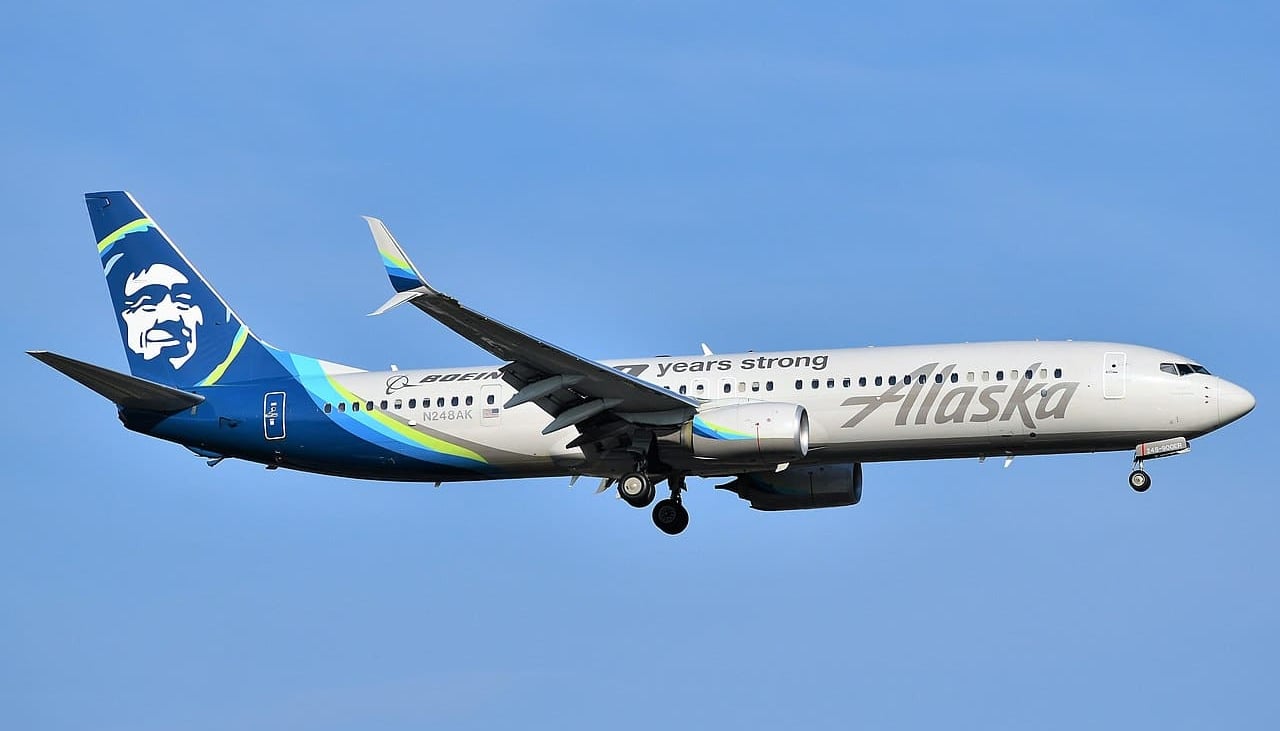
Boeing entered into a deferred prosecution agreement with the Justice Department to improve safety and quality control practices. But the DOJ concluded the company violated the agreement in 2024 when a door plug blew away in the middle of an Alaska Airlines flight.
“Even as Boeing continued to tell investors and analysts that its manufacturing systems, safety processes, and compliance culture had been overhauled, internal documents and other evidence showed the opposite,” the class members wrote in their brief. “In truth, Boeing continued to prioritize production speed over safety and quality, relying on many of the same dangerous ‘shortcuts’ and ‘systemic quality-control issues’ that it had relied on before the crashes.
Last year, U.S. District Judge Leonie Brinkema ruled that the plaintiffs satisfied the requirements for class certification. The Bill Clinton appointee found that the class includes thousands of investors who purchased stock between Sept. 30, 2019, and May 14, 2024, that the investors are all pursuing a common civil action focused on whether Boeing defrauded them regarding the safety of the company’s aircraft and that the lead plaintiffs are institutional investors who will fairly protect the interests of the class.
However, Boeing argues the class members failed to offer proof that the classwide damages methodology is consistent with their theory of liability, as the Supreme Court ruled is required in Comcast Corp. v. Behrend.
The investors say they suffered damages when they purchased Boeing stock at inflated prices due to the company’s fraud. The class is relying on an out-of-pocket methodology for calculating damages that economist Chad Coffman proposed, in which damages equal the artificial inflation per share at the time of purchase minus the artificial inflation per share at the time of sale. Boeing argues that the theory and the methodology aren’t compatible.
“The district court erred in holding that Comcast is satisfied merely by invoking the generally applicable out-of-pocket standard for damages in securities cases,” Boeing said in its brief. “Of course, defrauded investors should recover the amounts they are out of pocket, but plaintiffs need a methodology for determining how much that is for each investor — and the methodology must be consistent with their liability theory that the inflation in the stock price increased over time.”
U.S. Circuit Judge Julius Richardson took issue with the lack of details on how the lower court would use the methodology.
“It doesn’t show in any way how you would technically apply it in this case,” the Donald Trump appointee said. “A promise of a future endeavor is sufficient in your view?"
The class members claim they aren’t required to present detailed damage modeling at the class certification stage and that Coffman’s rebuttal report is sufficient, regardless.
U.S. Circuit Judge Marvin Quattlebaum also expressed confusion about the methodology.
“It must be one that establishes damages are capable of measurement on a classwide basis,” said Quattlebaum, a fellow Trump appointee. “That’s the problem here, that there’s no way to do those things that* Comcast* requires if you don’t at least say what you’re going to do.”
Attorney Deepak Gupta of Gupta Wessler, representing the class members, said**the* Comcast*decision concerned a court’s assessment of individualized damage.
“Boeing hasn’t actually identified any individualized issues,” Gupta said. “Here it’s obvious that we have a single class.”
U.S. Circuit Judge Allison Rushing, another Trump appointee, completed the panel. Attorneys representing the class and Boeing did not respond to a request for comment.
Subscribe to our free newsletters
Our weekly newsletter Closing Arguments offers the latest about ongoing trials, major litigation and rulings in courthouses around the U.S. and the world, while the monthly Under the Lights dishes the legal dirt from Hollywood, sports, Big Tech and the arts.