Search Articles


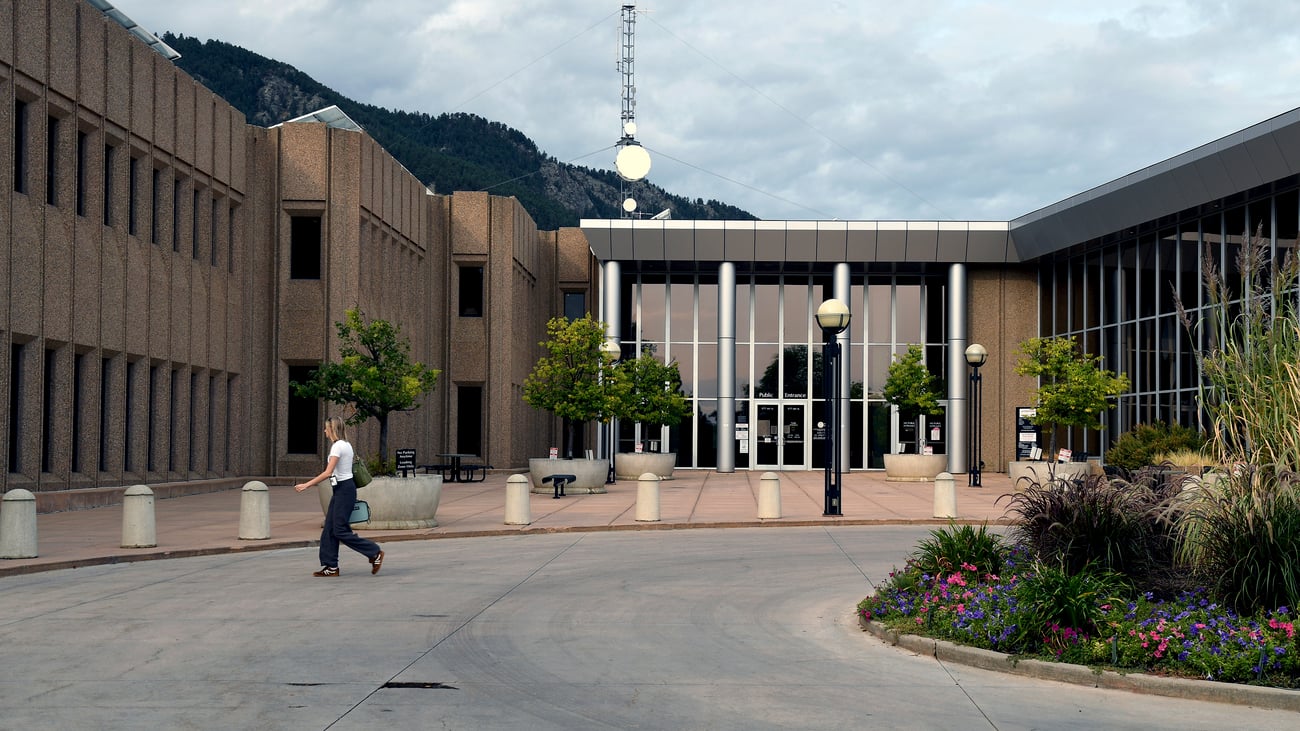
BOULDER, Colo. (CN) — In a class action filed against Boulder’s police chief, Colorado residents argue the city’s use of Flock Safety Group’s license plate cameras amounts to “a warrantless surveillance dragnet” in violation of their rights.
“Boulder Police Chief Stephen Redfearn has turned Boulder into a surveillance state that rivals any dystopian science fiction novel,” said civil rights attorney Andy McNulty in a statement.
Over the last nine years, Flock Safety Group has installed 90,000 cameras across 5,000 communities in every state but Hawaii. On average, residents say the cameras capture 20 billion vehicles each month.
Thirty-one of those cameras are in active use in Boulder, located 30 miles north of Denver and home to 108,000 people.
McNulty, who practices with the Denver firm Newman McNulty, illustrated the extent of the footage captured.
“Every time our clients travel to work, drive to the Islamic Center to pray, or attend a protest, every time anyone in Boulder goes to a doctor or takes their child to school, a Flock camera photographs them, logs the time and GPS coordinates, and dumps the data into a database that any officer can search for whatever reason they happen to type into a box,” McNulty said in an email.
The Boulder Reporting Lab estimates law enforcement outside of Boulder searched the city’s cameras 424,000 times in a month, including 5,438 searches on Jan. 1, 2025. Before Boulder cut off immigration authorities’ access to its camera footage last summer, the Boulder Reporting Lab also found U.S. Border Patrol used the network more than 100 times.
According to the residents in their complaint, a Texas county that restricted abortion access also searched Boulder’s Flock database 600 times in the months following the U.S. Supreme Court’s decision in Dobbs v. Jackson Women’s Health Organization.
Since those findings were first published, Boulder began restricting its data sharing to 90 state law enforcement agencies, the residents noted.
William Freeman, who commutes to Boulder for work, requested images and metadata of his own vehicle from the Boulder Police Department, but was denied access.
In the 22-page class action filed Wednesday in Boulder County District Court, Freeman argues the collection of footage violates his right against unlawful search and seizure, while the denial of record access cuts against the Colorado Criminal Justice Records Act.
In the complaint, Freeman raised concerns about the Flock network sharing Boulder data with law enforcement in other states and immigration authorities “without judicial oversight, without a warrant and without the knowledge of the people being surveilled.”
Freeman named as defendants Boulder Police Chief Stephen Redfearn, along with Dawn Vanackeren, the city’s supervisor for Records and Information Services. A spokesperson for the city said the government was reviewing the lawsuit.
“As this is now litigation, we will make our arguments and share our perspective through official court filings and any hearings on this matter," the spokesperson said over email.
In an email, Flock spokesperson Paris Lewbel stressed the importance of the technology for law enforcement and told Courthouse News the company complies with the law.
“The complaint against officials with the city of Boulder raises questions about automated license plate readers that courts across the country have considered — and rejected — dozens of times now,” Lewbel wrote. “Fixed LPR technology has consistently been upheld as constitutional.
The case has been assigned to 20th Judicial District Judge Michael Kotlarczyk.
 Follow @bright_lamp
Subscribe to our free newsletters
Our weekly newsletter Closing Arguments offers the latest about ongoing trials, major litigation and rulings in courthouses around the U.S. and the world, while the monthly Under the Lights dishes the legal dirt from Hollywood, sports, Big Tech and the arts.