
 Search Articles


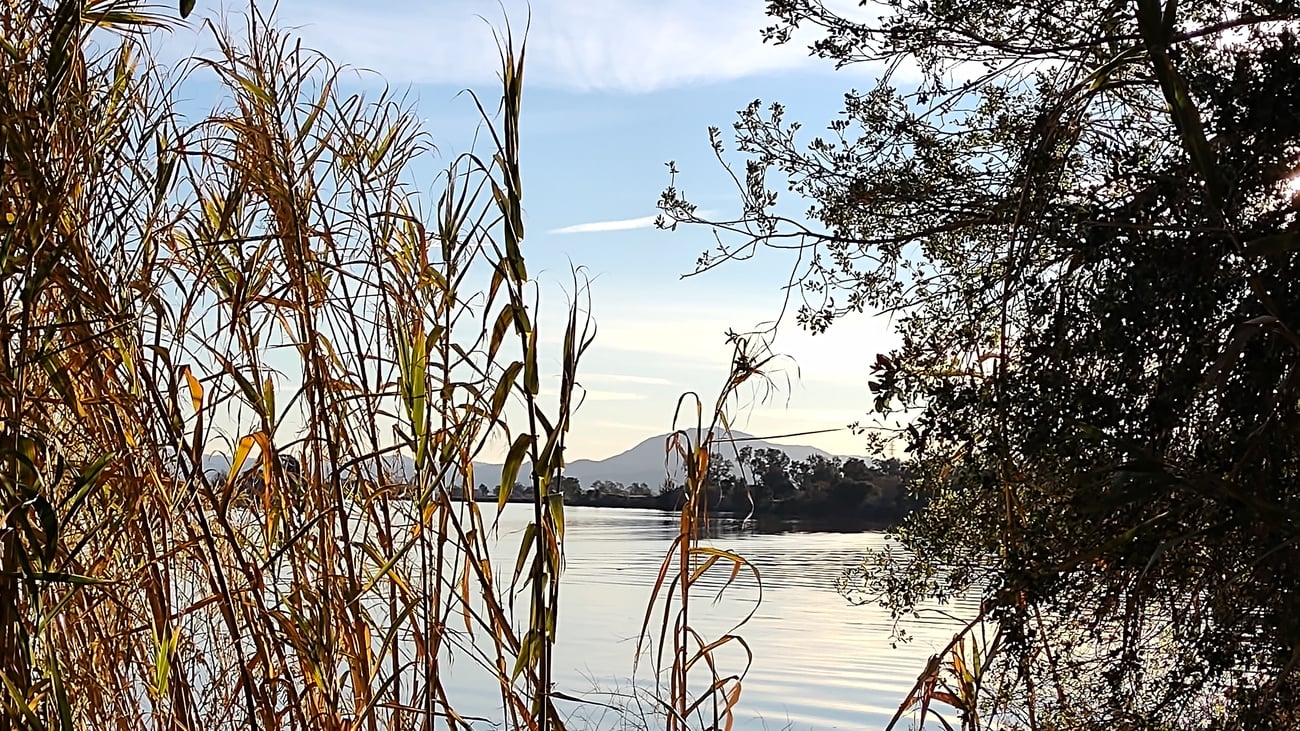
SACRAMENTO, Calif. (CN) — Opponents of the Delta Conveyance Project said Thursday they had only days to read a 200-page draft decision that, if approved, would destroy their way of life.
They stood before the Delta Stewardship Council, asking for more time before it opted to deny their appeals — a move that charts a course for the massive water diversion project to proceed.
“I hate coming to these meetings,” said Gia Moreno, with the Hood Community Council. “We don’t ever get invited. The town doesn’t get invited. We are at Ground Zero.”
Hood is a small town that would sit near two intake facilities by the Sacramento River needed for the water project. Moreno said no one has given good responses to questions about noise and dust pollution from the project, or explained where muck dredged from the earth for a 45-mile tunnel would go.
“Essentially, we’ve been told we’re just going to have to deal with it,” she said.
The Delta Stewardship Council faced a time constraint. Its staff released the draft decision on Monday, but the council had to rule within 60 days of hearing the appeal, which happened Feb. 26.
At its regular Thursday meeting, it denied appeals to a certificate of consistency from 10 different agencies. However, it chose to remand two issues — about golden mussel habitat and a local land use concern — to the state Department of Water Resources.
The council also asked the water department for an annual report that would detail, among other items, its outreach efforts to tribes and other agencies.
The department now must write a new certificate of consistency, detailing how the issues remanded are consistent with the Delta plan. The conveyance project can’t proceed until it completes a new certificate, which must also appear before the council for approval.
Opponents asked for more time to review the draft decision, but they also urged the council to look at the project’s impacts.
The two intake facilities near Hood will handle 6,000 cubic feet of water per second. The 45-mile tunnel will carry water south to pumping facilities, putting it in the Bethany Reservoir and ultimately to Southern California. State officials have said the project is needed to capture more water as a changing climate reduces rainfall.
It’s expected to cost over $20 billion and take over a decade to construct.
Duane Martin keeps cattle on land that would host facilities for the project, which he said would ruin the ranch.
“People driving by this complex will wonder what in Gold’s green earth is that?” he said.
Additionally, it would affect habitat for bird species. He called it a project that helped a few and hurt many.
“This is just one more thing hampering food production in this state,” Martin added.
Lisa Kirchhoff — with the Pear Fair, an annual event in Courtland — said agriculture is a way of life. That life will only face more strain as the conveyance project is constructed.
Kirchhoff also questioned whether the project was the only viable option to address the state’s water needs, as well as — along with many others — asking for more time before the council made its decision.
Carrie Buckman, environmental program manager with the state water department, questioned the two remand recommendations.
The first called for another look at how the project potentially could improve habitat conditions for the golden mussel, a non-native, invasive species. The other requires the department to show how the project won’t conflict with a water recycling project of the Sacramento Area Sewer District.
Arguing against the remand, Buckman said the project’s tunnel isn’t considered part of the ecosystem, meaning the golden mussel issue shouldn’t apply.
Concerning the sewer district, Buckman said that district’s general plan doesn’t specifically mention its recycling project.
Nearing the end of the five-hour meeting, Councilmember Diane Burgis suggested separating the vote into three parts: the remands, denial of other appeals and request for a report. She ultimately opted to proceed with one vote on all three issues, stating in her “no” vote that she supported the remand and report.
All other council members supported the measure.
“I don’t think this process gives the Delta counties as much voice as it should,” Burgis said, suggesting the council add two additional seats to the seven-member body.
Subscribe to our free newsletters
Our weekly newsletter Closing Arguments offers the latest about ongoing trials, major litigation and rulings in courthouses around the U.S. and the world, while the monthly Under the Lights dishes the legal dirt from Hollywood, sports, Big Tech and the arts.
Additional Reads


 Lawmakers rip Republican plan to make DC ‘square again’ April 23, 2026