Search Articles


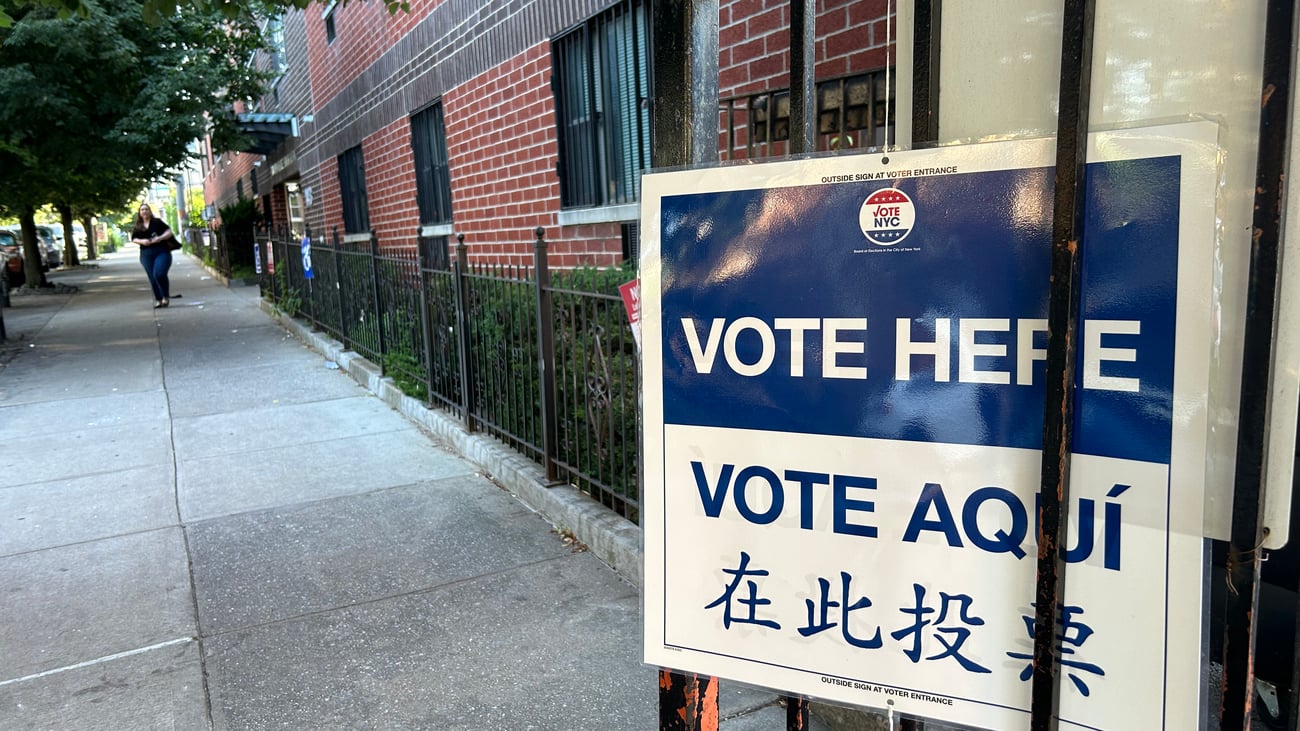
(CN) — The Montana Supreme Court this week certified a ballot statement for a voter initiative that, if passed, would prohibit corporations from spending money to influence elections.
The decision by the state’s high court is the latest development in a legal struggle seeking an end run around the 2010 U.S. Supreme Court decision Citizens United v. Federal Election Commission, which held that laws preventing corporate political spending violated free speech rights.
The Transparent Election Initiative and Jeff Mangan, a former state commissioner of political practices, want the measure on the November ballot. They passed one hurdle in April, when the state’s high court rejected Attorney General Austin Knudsen’s attempt to disqualify it.
Ordered to prepare a ballot statement, Knudsen wrote one that the group and Mangan said failed to truly and impartially explain the initiative. Additionally, they called it argumentative and prejudicial.
The high court on Tuesday decided that Knudsen has the authority to revise ballot statements, if it’s determined a statement doesn’t comply with the law.
“We approve the attorney general’s revised statement, with the removal of one sentence as set forth in Issue Two,” wrote Justice James Jeremiah Shea for the court.
Shea wrote that the high court had three issues to decide: whether Knudsen exceeded his power in rewriting the ballot statement, if he violated procedure by offering a statement that was inaccurate or prejudicial, and if the court should reject it, or alter and certify it.
After the court’s April decision, TEI submitted its proposed ballot statement. It states that if the measure passed, the state Constitution would include a new article that defined artificial persons, including corporations, and their powers — which wouldn’t include spending money to influence the outcome of an election.
Knudsen rejected it, saying it misled voters, and supplied an alternative statement that TEI challenged.
“Although TEI maintains that its proposed statement, as written, is not misleading, we agree with the attorney general that the proposed statement misleads voters as to the scope of entities CI-135 would affect,” Shea wrote, referring to the ballot measure. “We conclude that the attorney general had a statutory basis to reject TEI’s proposed ballot statement and offer a revised statement.”
TEI argued that Knudsen lacked authority to rewrite the statement, as his changes went beyond the issues he claimed existed.
That argument failed, as Shea wrote that TEI pointed to no authority that limits the attorney general’s power to write a proposed statement if it’s found deficient.
Moving to the second issue — whether Knudsen’s statement was inaccurate or prejudicial — Shea focused on the word “prohibition.”
TEI argued that Knudsen’s statement describes the measure as a prohibition on artificial persons’ ability to spend money on elections. Instead, it should state that the measure specifies the scope of power those persons have.
The court again found TEI’s arguments lacking.
“This disagreement is a dispute over whether the glass is half-full or half-empty,” Shea wrote. “However you might want to describe it, the contents of the glass are at 50% capacity and neither characterization is misleading.”
The court did have one issue with Knudsen’s statement. In it, the attorney general wrote that the measure would limit the power of artificial persons to only those granted by the state, and that they’d have no other powers under the state Constitution.
Shea called the first part clear and explanatory. The second part is argumentative, as it adds nothing.
“While we recognize that the attorney general used the word ‘powers’ rather than ‘rights’ in his revised ballot statement, he uses it in such a way as to be synonymous, likely misleading a layperson into believing that CI-135 expressly revokes constitutional rights,” Shea wrote.
Having addressed the first two issues, Shea then ordered the court-revised statement certified to the secretary of state.
TEI and the state Attorney General’s Office couldn’t be reached for comment.
Subscribe to our free newsletters
Our weekly newsletter Closing Arguments offers the latest about ongoing trials, major litigation and rulings in courthouses around the U.S. and the world, while the monthly Under the Lights dishes the legal dirt from Hollywood, sports, Big Tech and the arts.