Search Articles


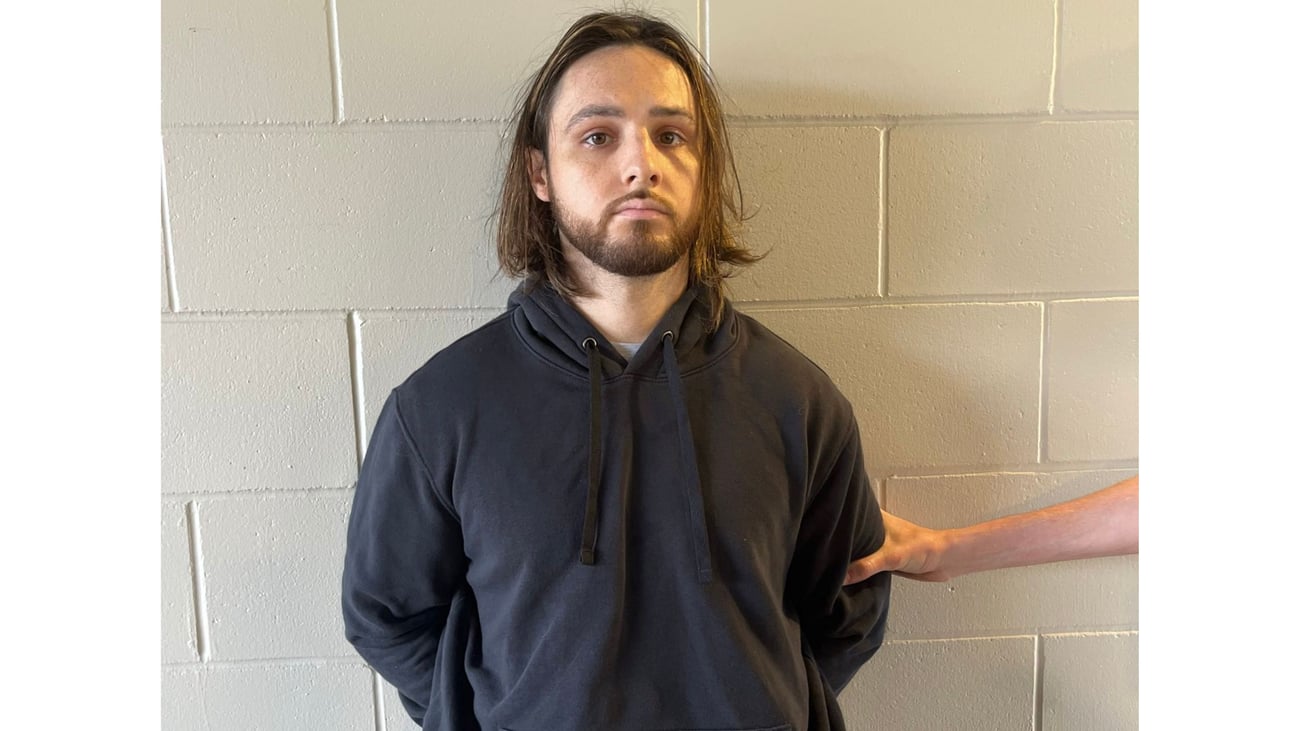
LOS ANGELES (CN) — An expert witness for the prosecution on Monday rejected the possibility that last year’s devastating Palisades Fire in Los Angeles resulted from New Year’s Eve fireworks — one of the arguments the arson suspect Jonathan Rinderknecht has floated.
Kevin Miner, an explosives enforcement officer with the U.S. Bureau of Alcohol, Tobacco, Firearms and Explosives, told the jury in downtown LA that the Jan. 1, 2025, fire Rinderknecht is accused of starting couldn’t have resulted from any nearby pyrotechnics.
“It wasn’t caused by any type of firework,” Miner said under questioning by Assistant U.S. Attorney Matthew O’Brien.
Miner based on his analysis of video surveillance footage, witness statements and the local geography. Particularly damning for Rinderknecht’s defense is that the suspect himself told law enforcement that he had been alone on a trail above the residential neighborhood overlooking the Pacific Ocean around midnight and that he hadn’t seen or heard any fireworks.
In addition, the prosecution showed the jury videos Rinderknecht took with his cellphone that night from a clearing nicknamed Hidden Buddha that showed a clear night sky without a sign of any fireworks.
Rinderknecht is accused of starting a brush fire in a gulley below the Little Buddha clearing with a large Bic grill lighter that was later found in his car, purportedly because he was angry in general at wealthy people and in particular because he had failed to get a date or an invitation to a party for New Year’s Eve.
Although the LA Fire Department was able to extinguish to blaze on the hillside — close to where Rinderknecht has been living a few years earlier with his then-boyfriend — embers from the fire continued to smolder underground among the roots of the trees. The prosecution claims these embers were rekindled six days later when extreme winds pummeled Southern California, leading to the most destructive firestorm in LA’s history.
On New Year’s Eve, Rinderknecht had been driving for Uber, and had dropped a passenger in the Pacific Palisades, an upscale neighborhood of winding streets in the hills above the ocean. Nearby cameras operated by UC San Diego to monitor for wildfires and residential security cameras show him parking his car near a trailhead.
Shortly after midnight, one of the UC cameras captures the first images of the so-called Lachman Fire, and about the same time Rinderknecht starts calling 911 from the gulley below the clearing where investigators say the fire originated. Because the cell reception is poor on the hillside, Rinderknecht didn’t get through to the emergency until he has descended the trail to near where he has parked his car.
Security cameras from nearby homes show him driving away from the fire, but when fire engines pass in the other direction, he turns around and follows them back to where the fire is now spreading.
If there had been any fireworks near the vicinity of where the fire erupted, it would have been impossible for Rinderknecht not to notice, Miner testified.
Under cross-examination from Steven Haney, Rinderknecht’s attorney, Miner conceded that foliage on the hillside would have been different than it is now after the fires. This might have made no difference for aerial fireworks in the sky, however, which he said are the most likely to cause brushfires if they inadvertently explode close to the ground.
Although a number of people in the area reported hearing fireworks on New Year’s Eve, Miner said those noises most likely came from the beach and echoed up through the canyons.
Rinderknecht faces up to 45 years in prison if the jury finds the Palisades Fire was a holdover from the Lachman Fire and that he started the initial blaze.
U.S. District Judge Anne Hwang, a Joe Biden appointee, has largely barred the defense from arguing that the Los Angeles Fire Department should bear responsibility for failing to fully extinguish the Lachman Fire.
It will be up to the government, however, to persuade the jury that the Palisades Fire was a holdover from the Lachman Fire and that, under a “but for” theory of causation, the blaze would not have occurred if Rinderknecht had not ignited the initial fire.
 Follow @edpettersson
Subscribe to our free newsletters
Our weekly newsletter Closing Arguments offers the latest about ongoing trials, major litigation and rulings in courthouses around the U.S. and the world, while the monthly Under the Lights dishes the legal dirt from Hollywood, sports, Big Tech and the arts.
Additional Reads
 Texas teens call on SCOTUS to block app store age check June 15, 2026