
 Search Articles


RICHMOND, Va. (CN) — A Virginia man suffering from kratom withdrawal survived a motion to dismiss his claims Wednesday that industry members knowingly omitted their products’ addictive nature to consumers.
U.S. District Judge David Novak rejected 10 companies and three individuals’ motions to dismiss state and federal fraud claims.
“The court finds plaintiffs’ allegations far from conclusory,” the Donald Trump appointee said.
Corey Tucker started purchasing kratom from smoke shops in 2022 after suffering from chronic back pain stemming from a car accident. Tucker claims he relied on the packaging, which advertised the kratom products as an herbal alternative to addictive opioids. Tucker faced unexpected difficulty when he eventually attempted to stop using kratom.
“Plaintiff Tucker experienced severe withdrawal symptoms, including fever, insomnia, and restless leg syndrome,” Tucker said in his complaint. “The symptoms from the withdrawals are so serious that on multiple occasions, he has sought medical attention for them. This was when plaintiff Tucker realized defendants did not tell the truth about their products, and that he had become addicted to them.”
Tucker sued 10 distributing and manufacturing companies, along with three individual defendants. Tucker seeks class certification for other users blindsided by the addictive property of the product, which they argue is advertised as safe.
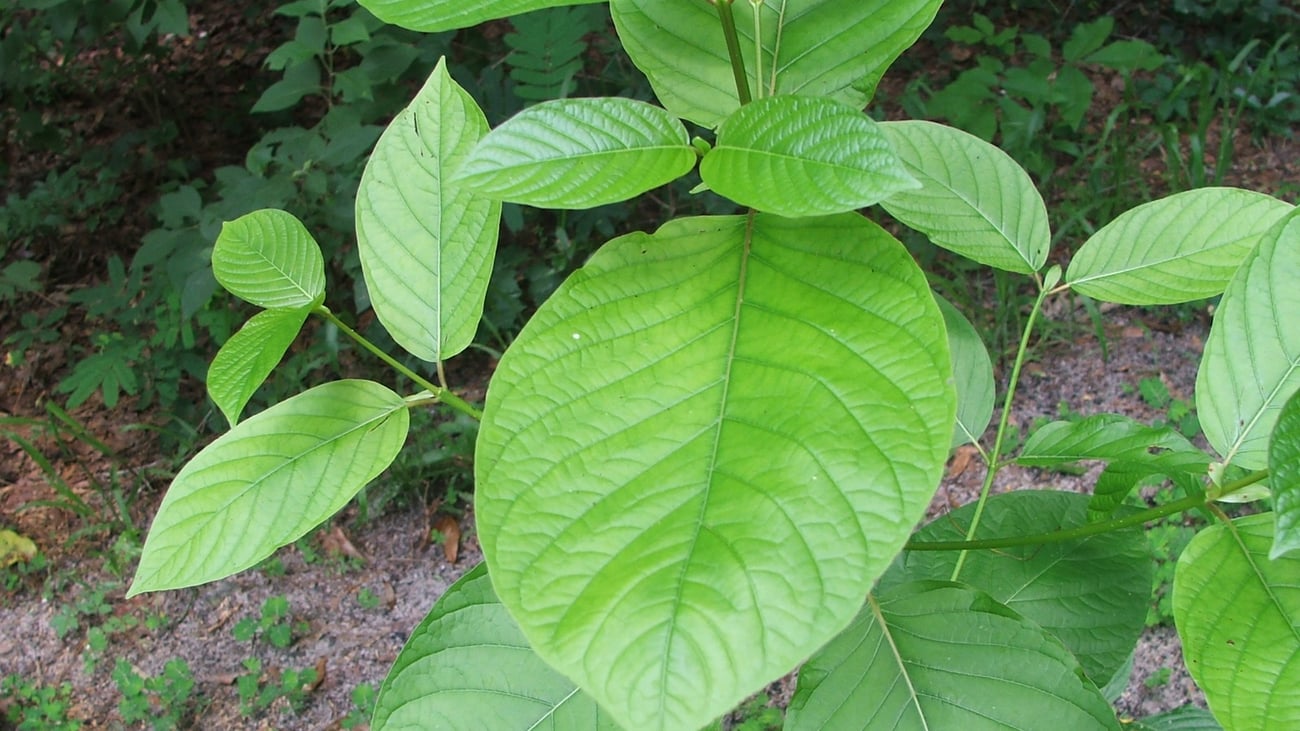
Kratom manufacturers harvest, dry and pulverize leaves from kratom trees, native to Southeast Asia, into fine powder to sell most commonly in pill capsules at gas stations and smoke shops. Kratom offers users mild psychoactive effects similar to opioids.
“All substances which act on the opioid receptors carry a very high risk of addiction, and kratom is no exception,” Tucker said in his complaint. “With kratom in particular, users note that the addiction sneaks up on them, and that it feels as though, over time, the color has been sapped from their lives. Long-term users of kratom have reported experiencing depression, anxiety, anhedonia and reduced sex drive.”
In addition to suing the companies, including RH Natural Products and Della Terra Pharmaceuticals, for fraud, Tucker also accused Peyton Palaio, Mark Reilly and Mark Jennings, executives of various kratom companies, of engaging in a civil conspiracy.
“Defendants argue that plaintiff asserts bare allegations of conspiracy and has offered no facts that support the existence of such a conspiracy, necessitating dismissal,” Novak said. “Yet, plaintiff provides specific allegations as to the three individual defendants’ ‘concert of action and unity of purpose’ in coming to an agreement to commit unlawful acts.”
The companies, headquartered in multiple states, argued the court lacked personal jurisdiction over all but one company, JOpen, which actively distributes its products in Virginia. Novak agreed with Tucker that the companies are all alter ego shells of the same larger network.
“Plaintiff has plausibly alleged that individual defendants conspired to promulgate false advertising for their products,” Novak wrote, “and likewise asserts that JOpen constitutes the ‘hub of the Remarkable Herbs network’ that manages the labeling and advertising of the product, serving as a conduit through which individual defendants effectuated their alleged conspiracy to defraud consumers.”
Novak ruled the class members met the criteria for a fraud claim under Virginia common law and federal law by presenting a false representation of a material fact that the defendants made intentionally to mislead, resulting in harm to the misled consumers. Tucker, in particular, accuses the defendants of fraudulent concealment, or fraud by omission.
“Kratom sellers advertise that it is a substitute for coffee, a pain reliever, a treatment for opioid withdrawal, an antidepressant, an anti-anxiety supplement and that it improves focus and gives users a boost of energy to get through the day,” Tucker said. “As a result of kratom manufacturers, retailers, and advertisers failing to warn consumers of kratom’s addictive potential, many kratom users find themselves blindsided when they stop taking kratom and find themselves facing severe withdrawal symptoms after having stopped using what they thought was a harmless supplement.”
The defendants argue the class members failed to establish a duty to disclose the habit-forming information to consumers because they couldn’t be expected to know the addictive potential of kratom, as the science is still evolving.
“Defendants had no duty to disclose what is not known or not true,” the defendants wrote in their response brief. “Nor could defendants have intended to mislead plaintiff by failing to disclose facts that are unknown or not true."
The class members and Novak agreed the defendants have ample information concerning their products’ addictive nature as the country’s leading kratom distributors. The defendants’ packaging does not reference addiction, but it does suggest consumers consult with a healthcare professional before use.
“Although defendants’ disclaimers and warnings advise consumers to consult their healthcare professional about the safety of the kratom product and generally warn of potential health risks, the court agrees with plaintiff that any such warnings stand ’entirely devoid of any [statement] about the products’ potential for addiction,’ which constitute the relevant omissions here,” Novak said.
The American Kratom Association estimates the kratom industry rakes in $1.5 billion annually, with up to 15 million American users. The Food and Drug Administration warns against the use of kratom for medical treatment. The FDA also warned consumers not to use kratom because of the risk it poses for liver toxicity, seizures and substance use disorder. Virginia Governor Abigail Spanberger signed a bill into law in May that requires kratom products to carry warning labels reading “This may cause dependence and opioid-like withdrawal.”
Attorneys representing Tucker and the kratom industry members failed to return requests for comment. Novak has yet to grant Tucker class certification.
Subscribe to our free newsletters
Our weekly newsletter Closing Arguments offers the latest about ongoing trials, major litigation and rulings in courthouses around the U.S. and the world, while the monthly Under the Lights dishes the legal dirt from Hollywood, sports, Big Tech and the arts.
Additional Reads
 Investors sue Adobe execs over AI copyright statements June 17, 2026

