Search Articles


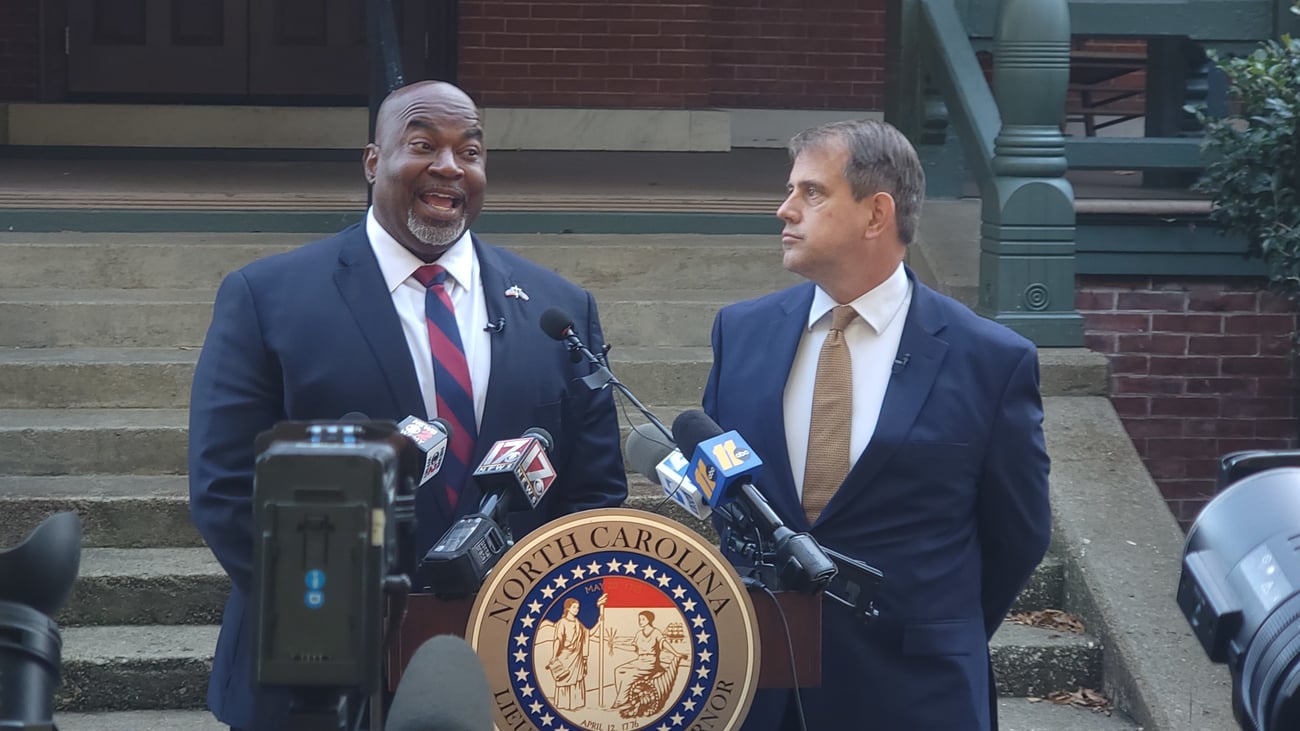
RALEIGH, N.C. (CN) — A musician has filed suit against North Carolina’s former lieutenant governor, claiming the politician sued him maliciously to revive a flagging political campaign.
Republican Mark Robinson, who ran for governor in 2024, sued CNN and local artist Louis Love Money for $50 million in October 2024 after the media giant published an article claiming Robinson made disturbing posts on pornography forums in the late 2000s.
He later dismissed the case, but Money claims the former politician acted with malice in filing the initial suit, saying it was not legitimate but part of an election strategy. Money argues Robinson knew comments about him frequenting porn shops were true and later admitted his involvement with people associated with pornography. Money sued Robinson Tuesday over abuse of process and malicious prosecution.
“The lawsuit was never truly about money or about any supposed deep-state conspiracy, artificial intelligence or pornographic video allegedly purchased in the 1990s or early 2000s,” Money says in the complaint. “Instead, the lawsuit appears to have been political theater, using the court system as part of an election strategy.”
In the article that spurred the initial litigation, CNN said Robinson called himself a “black NAZI” on forums and said he supported the reintroduction of slavery and would “buy a few” slaves. During 2008 and 2010, he also posted about peeping on women in public gym showers as a 14-year-old, CNN said.
Robinson denied the charges at the time, filing suit against CNN and Money, who claimed in a music video called “The Lt. Governor Owes Me Money” that Robinson never paid him for a bootleg porn video purchase. Money also told a local publication Robinson frequented porn shops in the 1990s and early 2000s.
Robinson stayed in the race after the article was published, even as many campaign staffers and workers in his lieutenant governor’s office quit. He lost to Democrat Josh Stein in November 2024 and dismissed his case against Money and CNN several months later, continuing to deny he made the controversial posts.
The hardline conservative, who stepped away from politics after the loss, resurfaced in March in a 90-minute interview on the debut episode of the podcast “After The Call,” in which he admitted a pornography obsession and said “allegations that I watched pornography and was involved with people that watched pornography” were “absolutely true.”
The interview is at the crux of the case brought by Money, who says Robinson knew when he filed the initial suit that “the allegations attributed to plaintiff were substantially true or substantially based in truth.”
Robinson did not reply to a request for comment.
Money claims that while Robinson insisted the artist’s comments about him frequenting porn shops were false, he later admitted on the podcast to being involved with people associated with pornography.
Robinson first gained public attention in 2018, when he gave a speech in favor of gun rights at a city council meeting. He was elected as the state’s first Black lieutenant governor in 2020, his first political position. He was endorsed by then-candidate Donald Trump for the governor’s seat after he won the Republican primary in March 2024, with Trump comparing him to Martin Luther King Jr.
Prior to CNN’s article, Robinson had received scrutiny over antisemitic and anti-LGBTQ comments, calling the Civil Rights Movement a communist plot and mocking school shooting survivors.
The race for the governor’s seat had been relatively competitive before the article, but Robinson lost to Stein by a landslide, 54% to 40%. In the wake of the scandal, Robinson had faced public pressure from fellow Republicans demanding he disprove CNN’s reporting, with several encouraging him to resign.
Robinson’s case against Money and CNN began in state court, but the case was removed to federal court by the media company, which claimed Money had been named as a defendant to keep the case local. The parties were waiting on a court order over a request to throw the case out when Robinson voluntarily dismissed the lawsuit.
The defendants had argued that Robinson failed to prove they acted with actual malice, an additional requirement in a defamation case that involves a public figure.
Robinson said at the time he did not have plans to pursue elected office again.
 Follow @SKHaulenbeek
 Follow @shaulenbeek.bsky.social
Subscribe to our free newsletters
Our weekly newsletter Closing Arguments offers the latest about ongoing trials, major litigation and rulings in courthouses around the U.S. and the world, while the monthly Under the Lights dishes the legal dirt from Hollywood, sports, Big Tech and the arts.
Additional Reads

 Trump Board of Peace's official Gaza fund is empty May 27, 2026