Search Articles


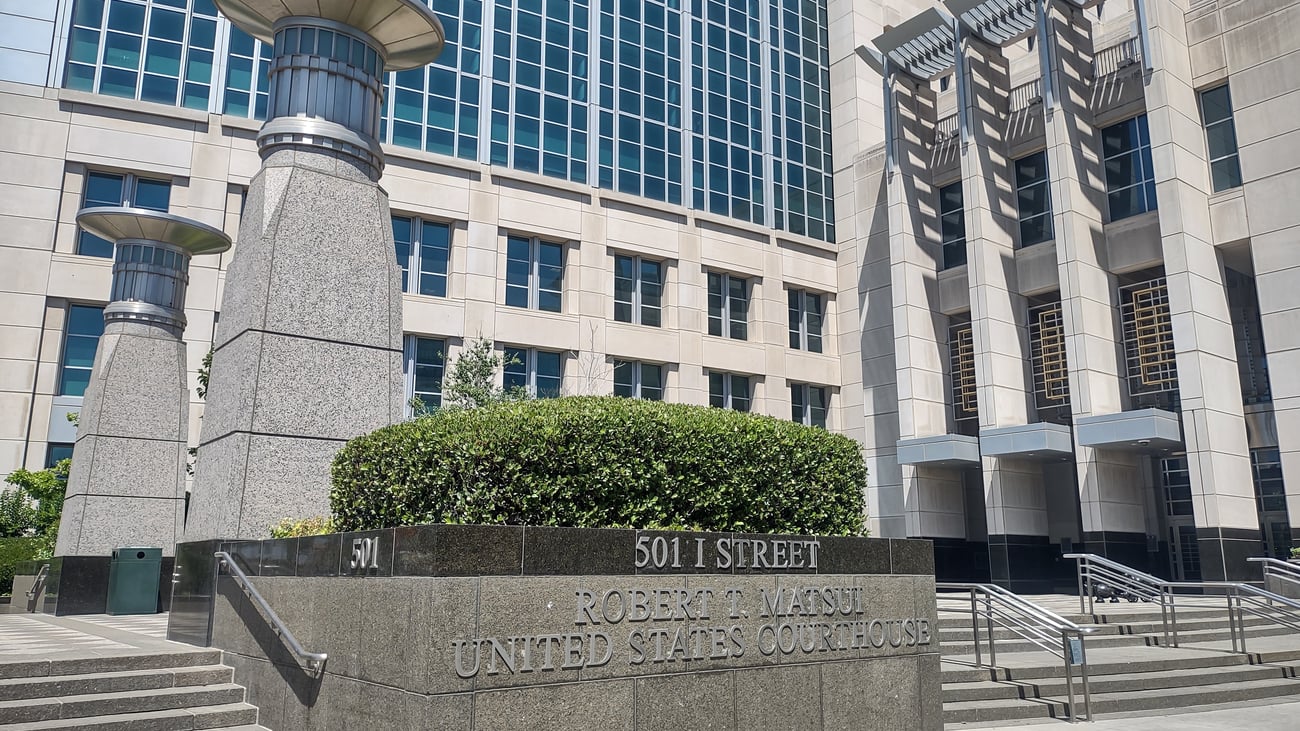
SACRAMENTO, Calif. — After almost a decade of litigation, the federal trial of trademark dispute at the core of a seasonal California tourist attraction began Monday.
Apple Hill Growers, a collective of farms, sued El Dorado Orchards and others over the use of the Apple Hill name. El Dorado once was part of the collective, though a dispute occurred in 2013, and the association said it removed them.
El Dorado in 2014 registered the domain name “applehillca.com,” representing to the public it was the official website of Apple Hill and the collective’s official visitor’s center. The association in its suit also claims that El Dorado and others improperly linked themselves to Apple Hill on social media, mobile apps and a billboard on a major highway running through the region.
The growers’ association sued in 2017.
“We are seeking to protect our history,” said Pamela Harris, president of the association and the first witness called to testify. “We are seeking to protect the use of our name."
“The trademark helps us stay authentic to our roots,” she added.
Apple Hill is virtually synonymous with autumn in this area, about an hour’s drive east of Sacramento on Highway 50. Traffic is notoriously bad in the region that time of year, as thousands of people flock to several farms for their produce, wines, baked goods and signature apples.
Farms must apply to the growers’ association and meet specific criteria for admittance. Annual fees are required, as is an adherence to the group’s bylaws, Harris said.
“The ‘Apple Hill’ name is meant to represent many farms,” Harris said. “They’re not allowed to say, ‘We are Apple Hill.’ You’re an Apple Hill farm.”
Members also sign agreements when they join, acknowledging that Apple Hill is a trademark owned by the association, and they can display it as a member, Harris said.
A farm — like Boa Vista, a tradename used by El Dorado Orchards — designating themselves as “Apple Hill” is problematic and confuses customers when they do Google searches, Harris said.
Attorney Chris Passarelli, representing El Dorado, pushed Harris on when the group adopted its bylaws and licensing agreement. She said she didn’t know if the licensing agreement was created after the 2017 suit was filed, though she felt somewhat confident it already existed.
The organization’s bylaws have existed for years, but weren’t written when the group formed in the mid-1960s.
Passarelli pressed Harris on specific quality standards the group imposes on its members. In most cases, the association has no standards, other than the requirements various government entities have.
“Apple Hill Growers has no standards for apples?” Passarelli asked.
“The standard is you sell fresh, local-grown apples,” Harris said.
According to Harris, a standard policed by group members includes that product is farm-fresh, direct from the grower and grown on site. Each farm provides its own unique products and experience, making strict uniformity difficult.
Passarelli also questioned Harris about highway signs directing people to Apple Hill, asking if she knew real estate agents marketed properties as being in the Apple Hill area. He also wondered if people could refer to themselves as being in the Apple Hill area.
Harris said her association would object if someone did.
“Apple Hill is not a geographic location,” she added.
The history of Apple Hill has its roots in a 1950s pear blight. A small farm collective decided they needed an alternative and realized apples would work well.
By the 1960s, the area faced an influx of apples from Oregon and Washington, leading to another change — a move to a ranch-marketing model and the foundation of Apple Hill Growers.
“The idea was to bring the customer directly to the farm,” Harris said, adding: “We expanded obviously beyond apples.”
Today, the group has some 50 members that collectively market and advertise themselves.
U.S. District Judge Daniel Calabretta, a Joe Biden appointee, is overseeing the trial. There is no jury.
The trial is expected to last over a week.
Subscribe to our free newsletters
Our weekly newsletter Closing Arguments offers the latest about ongoing trials, major litigation and rulings in courthouses around the U.S. and the world, while the monthly Under the Lights dishes the legal dirt from Hollywood, sports, Big Tech and the arts.
Additional Reads
 States sue California over plastic recycling mandate June 22, 2026