
 Search Articles


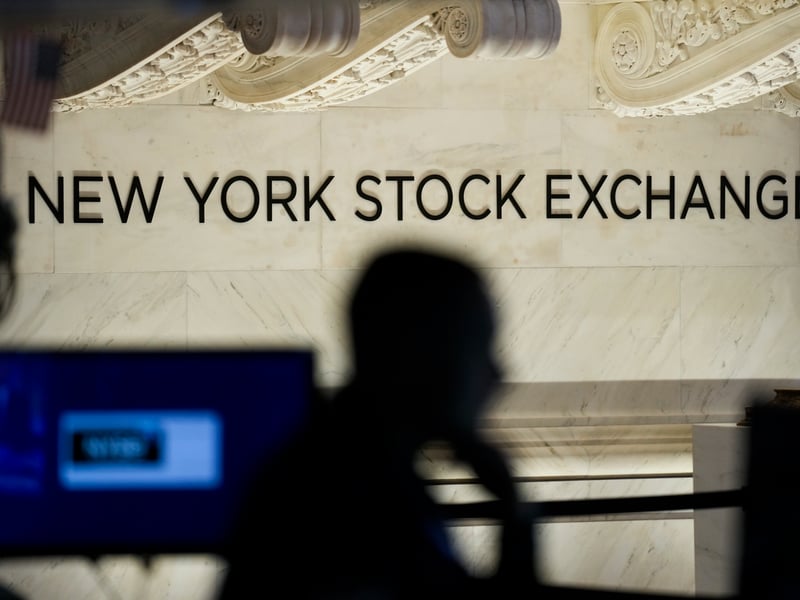
MANHATTAN (CN) — Two of the three major U.S. indices declined this week, as the volatility on Wall Street continues in the wake of tariff concerns and resurgent inflation.
Investor anxiety over consumer spending, sticky inflation, and tariffs have taken their toll on markets recently. By the closing bell Friday, the S&P 500 had fallen 59 points and the Nasdaq declined 677 points for the week. The Dow Jones Industrial Average managed to pick up some gains, increasing 411 points for the week.
However, those anxieties “could easily reverse as the policy narrative flip-flops back to a focus on tax cuts and deregulation,” said Bill Adams, chief economist at Comerica Bank. “Tax cuts in particular are likely to come into sharper focus for the market and forecasters as the Congress and White House publicize details about this year’s reconciliation bill.”
On Friday, the U.S. Census Bureau’s personal consumption expenditures showed just a 0.3% increase in inflation last month, in line with expectations and certainly less than last week’s inflationary data.
The PCE reportedly is the favorite inflation metric of the Federal Reserve, which is closely watching prices to see if it is safe to cut interest rates further later this year. So far, the Fed has cut rates just twice, and the federal funds rate sits at 4.25% to 4.5%.
The report also noted that real consumption dropped 0.5% in January, steeper than anticipated, which experts say signals softer consumer spending and a potential drop in growth.
“While it is tempting to pin the fall entirely on harsh winter weather last month, the breakdown shows that spending in some typically weather-related categories like food services and accommodation outperformed,” Thomas Ryan, economist at Capital Economics, wrote in an investor’s note.
Personal income, meanwhile, surged 0.9% last month, the Census Bureau found, much higher than the 0.4% most analysts had predicted. Wages and salaries also increased 0.4% in January.
Coupled with the drop in spending, the increase in personal income led to the personal savings rate to increase significantly, from 3.5% in December to 4.6% in January. This marks the highest savings rate seen since mid-2024.
“January’s strong income growth suggests fundamentals will support a recovery of consumer spending and economic growth in the remainder of 2025,” Adms said.
However, while consumer income is on the rise sentiment continues to drop. The Conference Board’s “expectations index” dropped nearly 10 points to hit 72.9. This marks the largest decline since August 2021, and any reading below 80 signals a recession is impending.
Stephanie Guichard, senior economist at the board, noted that dismal views of the labor market and pessimism over future business conditions caused the drop. “This the third consecutive month-on-month decline, bringing the index to the bottom of the range that has prevailed since 2022,” she said in a statement.
The board’s “labor differential” also fell; that index tracks the number of consumers who say jobs are plentiful versus those consumers who say jobs are scarce.
 Follow @NickRummell
Subscribe to our free newsletters
Our weekly newsletter Closing Arguments offers the latest about ongoing trials, major litigation and rulings in courthouses around the U.S. and the world, while the monthly Under the Lights dishes the legal dirt from Hollywood, sports, Big Tech and the arts.