
 Search Articles


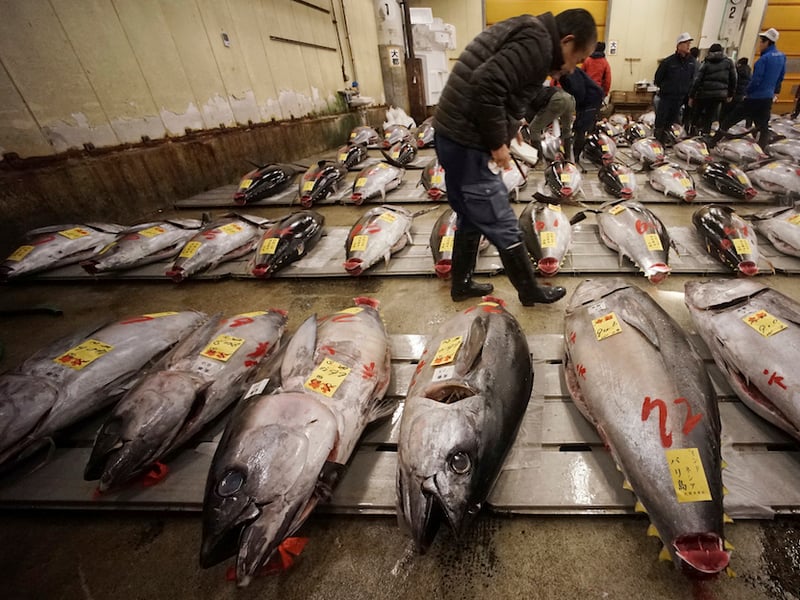
SAN DIEGO — A federal judge handed a victory to a group of Indonesian fishermen who say they were forced to work under intolerable conditions and under the threat of violence on fishing boats that sold tuna to Bumble Bee Foods, denying the American seafood company’s motion to dismiss their lawsuit.
In her decision on Wednesday, Chief U.S. District Judge Cynthia Bashant, a Barack Obama appointee, wrote that the plaintiffs could proceed with their case against Bumble Bee Foods on claims that it was negligent and violated the Trafficking Victims Protection Reauthorization Act.
The four fishermen, all from rural Indonesia, went to work aboard a commercial fishing boat that they thought would offer well-paying jobs supplying tuna in the Bumble Bee Foods network. Instead, the men were forced to work long hours without rest, severely beaten, denied medical aid, starved and ensnared in a debt bondage scheme for months, they wrote in their complaint from March.
Due to the nature of the fishing supply chain, the men say they were isolated and cut off from any type of assistance or communication on the boat, remaining at sea while supply ships restocked their boat and collected the fish that they caught in a practice known as “trans-shipment.” The fishermen claim they were prevented from returning to shore until they banded together and demanded their captain take them home.
“It’s a terrible practice,” Agnieszka Fryszman, an attorney representing the fishermen with the D.C.-based law firm Cohen Milstein, told Courthouse News on Thursday. “It has terrible impacts on the men who were beaten and starved — it has ripple effects on their whole community.”
In a letter provided by Fryszman, one of the fishermen, Muhammed Syafi’i, wrote that the judge’s decision brought him to tears.
“I am happy and overwhelmed,” he wrote. “This gives me hope for justice for me and my fellow plaintiffs as we struggle for justice and change for the better. Our fight and sacrifice are not in vain in order to get justice for all of the fishers. I remain steadfast, strong and enthusiastic.”
In a written statement to Courthouse News, Bumble Bee Foods said that it takes the accusations of forced labor seriously and that it requires all of its direct suppliers to adhere to its code of conduct prohibiting forced labor.
“Responsible treatment of fishers at sea is a complex, industry-wide challenge that requires both effective government oversight and dedicated industry action,” the company wrote. “We will continue to engage with leading industry groups and policy efforts to advocate for progress and deliver positive change, both within our supply chain and across the sector.”
Bashant granted Bumble Bee Foods’ motion to dismiss the fishermen’s claims for injunctive relief, which included a list of nine demands that would require the seafood company implement policies to ensure better treatment of the fishers it sources its food from. Those demands require that the fishers get 10 hours of rest per day, that the boats carry appropriate medical supplies and that its fishers have access to the internet, among other things.
However, Fryszman said that she will be amending the complaint to include those demands so that Bumble Bee Foods ensures its network of fishing boats provide adequate care and resources for its workers in the future.
The lawsuit highlights the importance of U.S. business practices overseas, often competing with other international businesses that rely on forced labor, Fryszman said.
“We are very pleased the case is going to go forward,” she said.
According to the United Nations, there are about 128,000 people who are trapped in forced labor at sea. The issue has been pervasive for international labor organizations, according to Greenpeace, which played a key role in the investigation of the Bumble Bee Foods case.
Subscribe to our free newsletters
Our weekly newsletter Closing Arguments offers the latest about ongoing trials, major litigation and rulings in courthouses around the U.S. and the world, while the monthly Under the Lights dishes the legal dirt from Hollywood, sports, Big Tech and the arts.