
 Search Articles


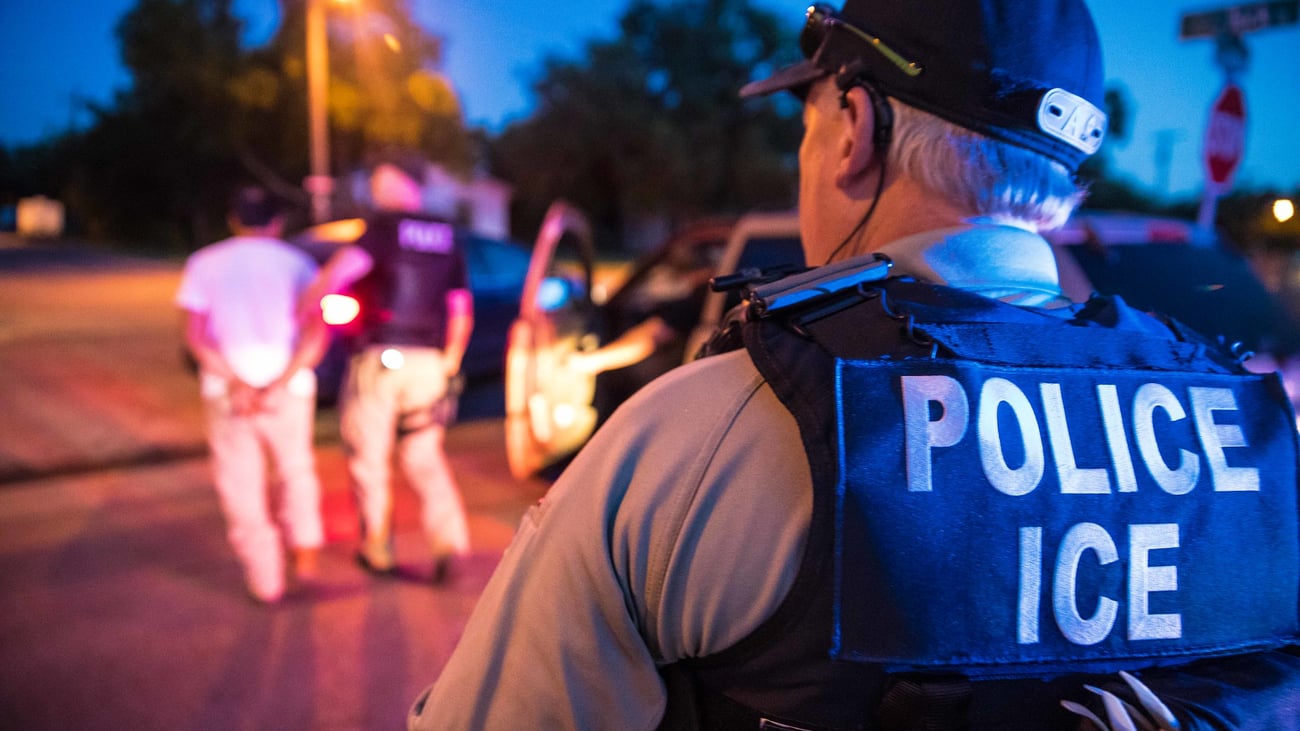
SACRAMENTO, Calif. (CN) — Daniel Rascon thought he’d been caught in a traffic jam when his vehicle suddenly stopped. Instead, he said four armed, masked men approached his car, pounded on the windows and refused to show their ID.
And then, as he and his family fled, one of them fired a gun at them, he added.
It’s why Rascon, an American citizen, said the Legislature should pass an update to its No Secret Police Act.
Senate Bill 1004 — written by state Senator Scott Wiener, a San Francisco Democrat — would add state law enforcement to the list of agencies the No Secret Police Act prohibits from wearing masks. He introduced the bill in response to a federal judge blocking the act in February because it didn’t apply equally to all law enforcement. However, the Bill Clinton appointee also found that federal officers could perform their jobs without wearing masks.
The bill passed the Senate Public Safety Commission Tuesday in a 5-1 vote. It now advances to the Senate Appropriations Committee.
“SB 1004 will help end the terror campaign & impunity the Trump regime has inflicted on our communities,” Wiener posted on X.
The introduction of the No Secret Police Act last year came on the heels of President Donald Trump’s immigration enforcement crackdown across the country. Images of masked U.S. Immigration and Customs Enforcement agents and stories like Rascon’s helped ensure the act’s passage.
Cristine Soto DeBerry, executive director of the Prosecutors Alliance, said over 30 states have followed California’s lead, with three of them passing similar laws. While the February ruling stopped the act’s enforcement, it also highlighted California’s power to enforce its mask ban — as long as the prohibition is equitable.
“That ruling was not a rejection,” she added. “It was a roadmap.”
Speaking on behalf of the California Statewide Law Enforcement Association, Shane Lavigne said the bill created uncertainty about officer liability. He wanted an exception added for good-faith acts by officers.
Lavigne said law enforcement not only finds itself in the center of a larger political debate, but it also faces a staffing crisis.
“It’s policies like this that contribute to that decline,” he added.
State Senator Anna Caballero, a Merced Democrat who supported the bill, said her concern focused on officers failing to identify themselves, which hasn’t always been an issue.
“They know they have to carry a badge,” she added. “They know they have to show it.”
Caballero said Rascon’s words affected her. She noted that Rascon told the committee an agent shot at them when no indication existed that deadly force was required.
State Senator Kelly Seyarto, a Murrieta Republican, pointed to agents getting doxed — having their identities and home addresses spread across the internet — as a reason to oppose the bill.
“I’ve never supported this type of legislation,” he added. “I think it’s misguided.”
The committee also unanimously passed Senate Bill 1027, by Huntington Beach Republican Tony Strickland. It now advances to the Senate Governmental Organization Committee.
The bill would create the California Street Prostitution Issues and Options Task Force. The group would gather data on street prostitution, search for methods of enforcing prostitution laws and evaluate how changes to such laws have affected prostitution.
“As we all know, the laws around street prostitution have been in flux the past few years,” Strickland said in a statement. “But one thing has not changed: the damage street prostitution causes to victims and to the communities around them.”
One Orange County sheriff’s official pointed to a 2022 law, written by Wiener, which she said has impacted law enforcement’s ability to contact victims.
That law decriminalized loitering with the intent to commit prostitution.
Subscribe to our free newsletters
Our weekly newsletter Closing Arguments offers the latest about ongoing trials, major litigation and rulings in courthouses around the U.S. and the world, while the monthly Under the Lights dishes the legal dirt from Hollywood, sports, Big Tech and the arts.
Additional Reads
 Record-breaking March heat worsens Arizona drought outlook April 14, 2026
 Cali court upholds primary system April 14, 2026
 Hungary’s no-parole life sentences fail European rights test April 14, 2026
 EU agrees to double tariffs on foreign steel April 14, 2026