Search Articles


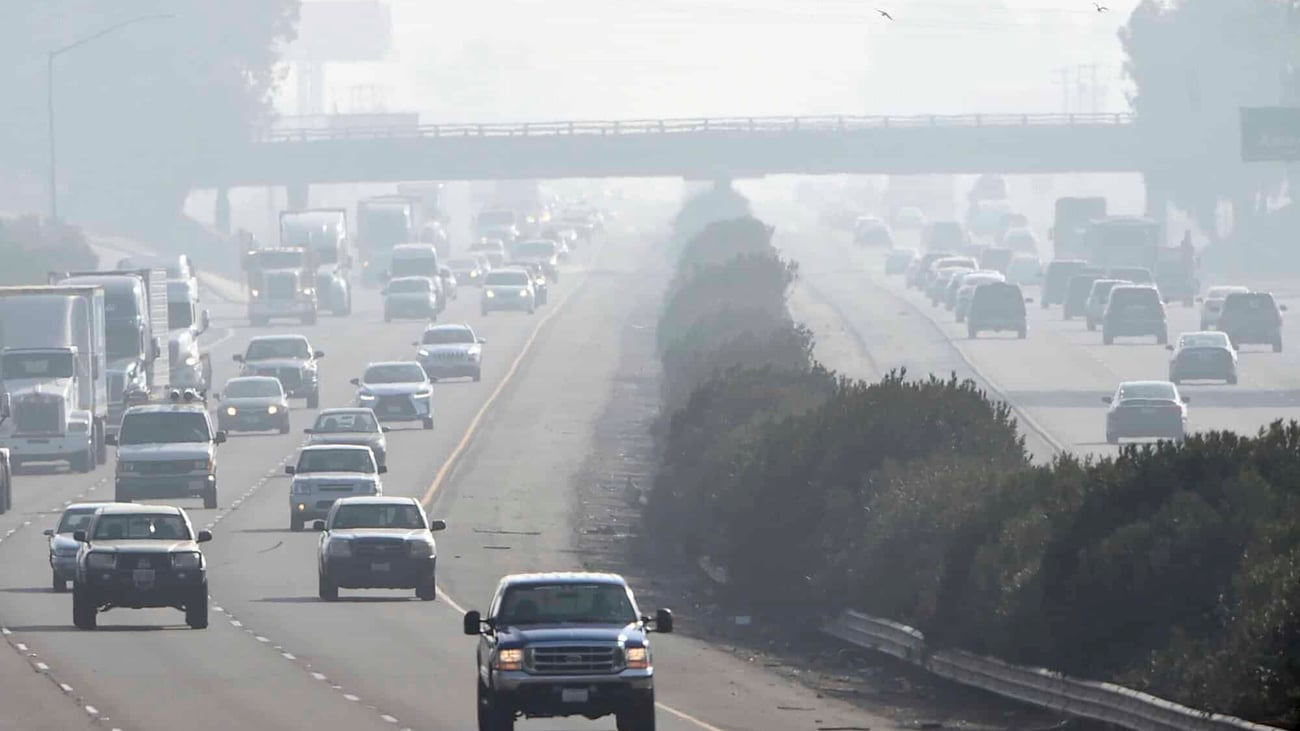
SACRAMENTO, Calif. (CN) — California released draft findings today on two air toxics already present in the state, starting a public review process intended to shine a light on the carcinogens.
Officials have known about acrolein and ethylene oxide for decades. However, data gained from recent monitoring led the state to issue draft risk values on the cancer risk people face from their exposure. The release jumpstarts public review and ultimately a vote by the Scientific Review Panel on Toxic Air Contaminants on whether to approve the findings.
“We expect this process to take about a year,” said Kris Thayer, director of the state Office of Environmental Health Hazard Assessment.
The goal of Thayer’s office, as well as the California Air Resources Board, is to identify the sources of the air toxics and work toward reducing the cancer risk they pose. Each chemical has 10 times more cancer risk than benzene, which is used to make plastics and is found in gasoline and vehicle exhaust.
Both are deemed by state officials as being more carcinogenic than previously thought.
Acrolein and ethylene oxide come from some of the same sources.
Acrolein is found in exhaust from aircraft, wildfire smoke and some pesticides. Ethylene oxide is used as a sanitizing agent and found in cigarette smoke. Small amounts occur naturally in the human body, said David Edwards, chief deputy director with Thayer’s office.
“The risk is based on limited air monitoring data,” Edwards added.
The state identified ethylene oxide’s presence in 1987 and acrolein’s in 1993. New research on the chemicals led to the draft findings and the start of the public process.
That research has been limited, said Courtney Smith, principal deputy executive officer with the California Air Resources Board. For example, ambient measurements on ethylene oxide have occurred at two monitoring sites in Southern California.
That’s why more testing is needed to determine the major sources of these chemicals, as well as create methods to combat exposure. Smith said Governor Gavin Newsom will request $2.5 million for those needs in his revised fiscal year 2026-27 budget, released today.
The funding request falls in the wake of a U.S. Environmental Protection Agency proposal to undo its rules for ethylene oxide emissions and reevaluate the science data.
“We must stay focused on improving air quality,” said California EPA Secretary Yana Garcia in a statement. “As the U.S. EPA slashes air quality-related research and protections, California is doubling down on independent, best-in-class science that paves the way to healthier air for all Californians.”
Breathing in acrolein and ethylene oxide share the same effects — irritation to the nose, throat and air passageways, said Cyrus Rangan, public health medical officer and director of the Children’s Environmental Health Center with Thayer’s office.
“The presence of the chemicals in our air is nothing new,” Rangan said.
In fact, 94% of Californians regularly breathe air with unhealthy pollutants. As acrolein and ethylene oxide exceed state guidelines, they require more study.
Risk reduction comes from California’s move toward zero-emission vehicles, which will help remove the source of chemicals like acrolein and ethylene oxide.
People also can take small steps themselves, Rangan said. They can stop smoking and vaping, and avoid those who do. They can also use ventilation fans when cooking and close their windows when traffic is heavy.
Rangan doesn’t foresee people making massive change in their lives over the chemicals.
“This is much more about awareness,” he added.
The trek toward securing approval for the draft findings now begins.
A public comment period starts today and ends June 29. Additionally, public workshops will be held in different parts of the state along with a second public comment period.
The draft findings will receive peer review before reaching the scientific review panel for a vote of approval.
Subscribe to our free newsletters
Our weekly newsletter Closing Arguments offers the latest about ongoing trials, major litigation and rulings in courthouses around the U.S. and the world, while the monthly Under the Lights dishes the legal dirt from Hollywood, sports, Big Tech and the arts.
Additional Reads

 Appeal over Columbia University dismissed, moot May 14, 2026