Search Articles


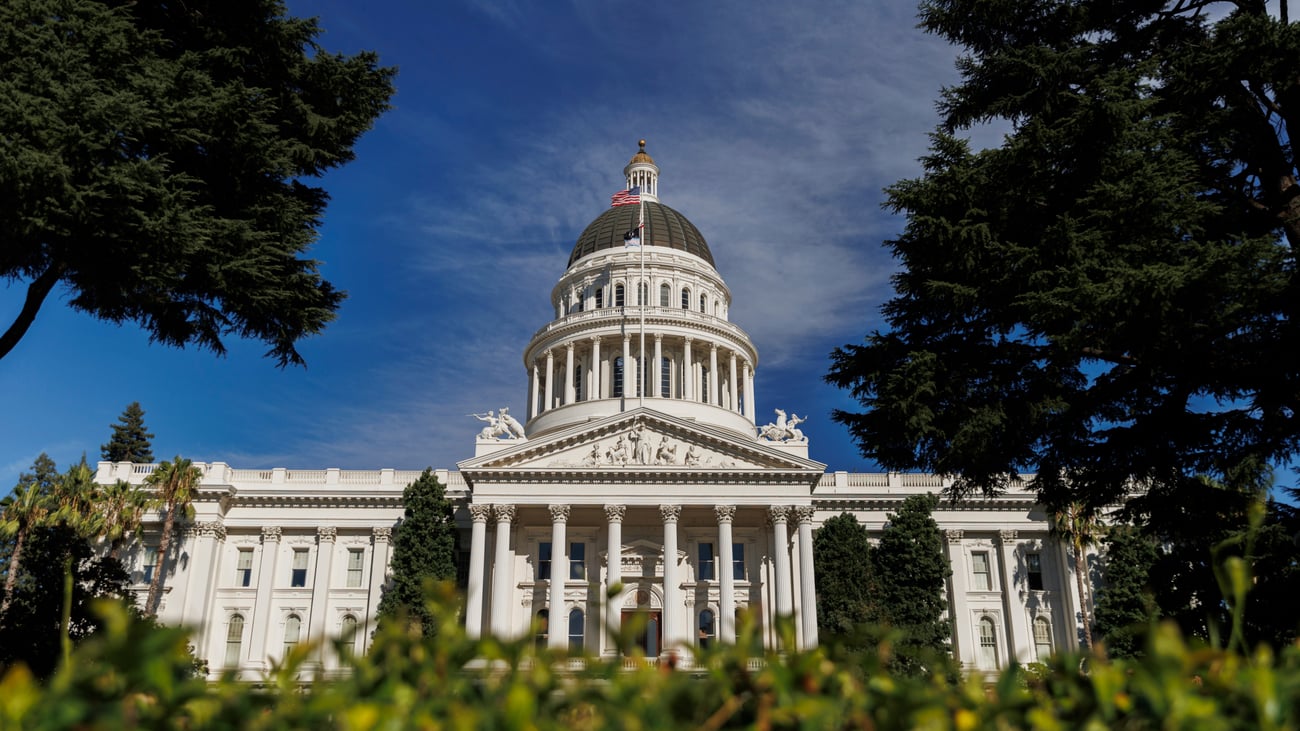
SACRAMENTO, Calif. (CN) — California lawmakers passed a draft $355.9 billion budget late Monday that would eliminate some of the proposed cuts to healthcare in Governor Gavin Newsom’s version.
The Legislature had to pass a budget draft for the fiscal year that starts July 1 by Monday, which they did with just 90 minutes to spare, though Newsom has until June 30 to sign it. The governor and top lawmakers will host talks over the next two weeks to reconcile the remaining differences.
Democratic leadership in both legislative houses placed blame on President Donald Trump and what they called cuts to state healthcare because of his Big Beautiful Bill.
State officials last year estimated $1.3 billion in additional costs because of the federal act, which was expected to affect Medi-Cal, the state’s Medicaid program, and CalFresh, its Supplemental Nutrition Assistance Program.
“Trump’s agenda is failing, prices are rising, and his cuts are gutting the programs working families rely on most,” Assembly Speaker Robert Rivas said in a statement. “This budget fights back: Protecting healthcare and food programs, investing in affordable housing and banking billions in reserves for whatever comes next.”
The Legislature’s budget calls for $253 billion in spending from the general fund over fiscal year 2026-27, climbing to some $355.9 billion when all funds are included. About $36.5 billion is slated for state reserves.
The budget balances the anticipated 2026-27 deficit and the deficit expected in 2027-28. Lawmakers have assumed an additional $5 billion in revenue over what Newsom projected in his May budget proposal.
Several issues rose to the top in the monthslong budget discussions, with Medi-Cal chief among them.
Many California Democrats hailed Newsom’s 2023 move to fund Medi-Cal for all immigrants who live in the state, including those without authorization. Two years later, Newsom floated changes to the program as he called for stopping new, unauthorized immigrants from joining Medi-Cal rolls and increasing premiums for them.
Lawmakers pushed those changes to July 1, 2027.
The Legislature rejected a handful of Newsom’s other proposed cuts. Newsom sought to lower funding for the state’s In-Home Support Services program — which allows people with disabilities to remain in their homes rather than in a care facility.
The Legislature’s budget fully funds the program. It also includes $100 million for CalFood — $70 million over Newsom’s proposal.
The budget also offers $900 million for the Homeless Housing, Assistance and Prevention program, $400 million more than Newsom’s plan.
Republicans slammed the budget. Assemblymember Carl DeMaio, a San Diego Republican, called it a “get-my-paycheck budget,” as it had to pass by June 15 for lawmakers to receive their pay.
“This budget punishes working families,” DeMaio said, adding later: “We ought to reject this budget.”
Lawmakers also allocated $50 million to implement Proposition 36. The 2024 ballot measure increased penalties for certain drug and property crimes, undoing a 2014 measure that had reduced them. The funding is targeted toward cutting court workloads, as well as substance abuse and mental health treatment.
Republicans called the amount insufficient. State Senator Tony Strickland, a Huntington Beach Republican, told Courthouse News the measure needs $400 million a year.
“Now, it’s an unfunded mandate,” he added.
A handful of lawmakers pointed to over $20 million for new judgeships, which they said are sorely needed.
State Senator Eloise Gómez Reyes, a Colton Democrat, said in a statement the investment is long overdue. San Bernardino County’s court system serves over 2.2 million people, and its judges have caseloads far above the state average.
“There are some good parts of this bill,” said state Senator Kelly Seyarto, a Murrieta Republican, pointing to judgeships and the homeless and housing funding.
Republicans had specific qualms as well. Seyarto and Strickland noted that $1.9 million is slated for eight new jobs at the California Energy Commission. Strickland called it a bureaucracy used by Democrats and Newsom to place political appointees.
Assembly Bill 109, the vehicle for the budget, passed the state Senate 28 to 9. The Assembly passed it 59 to 18.
Subscribe to our free newsletters
Our weekly newsletter Closing Arguments offers the latest about ongoing trials, major litigation and rulings in courthouses around the U.S. and the world, while the monthly Under the Lights dishes the legal dirt from Hollywood, sports, Big Tech and the arts.
Additional Reads

 Federal judge tosses oil leases on sage grouse habitat June 15, 2026