Search Articles


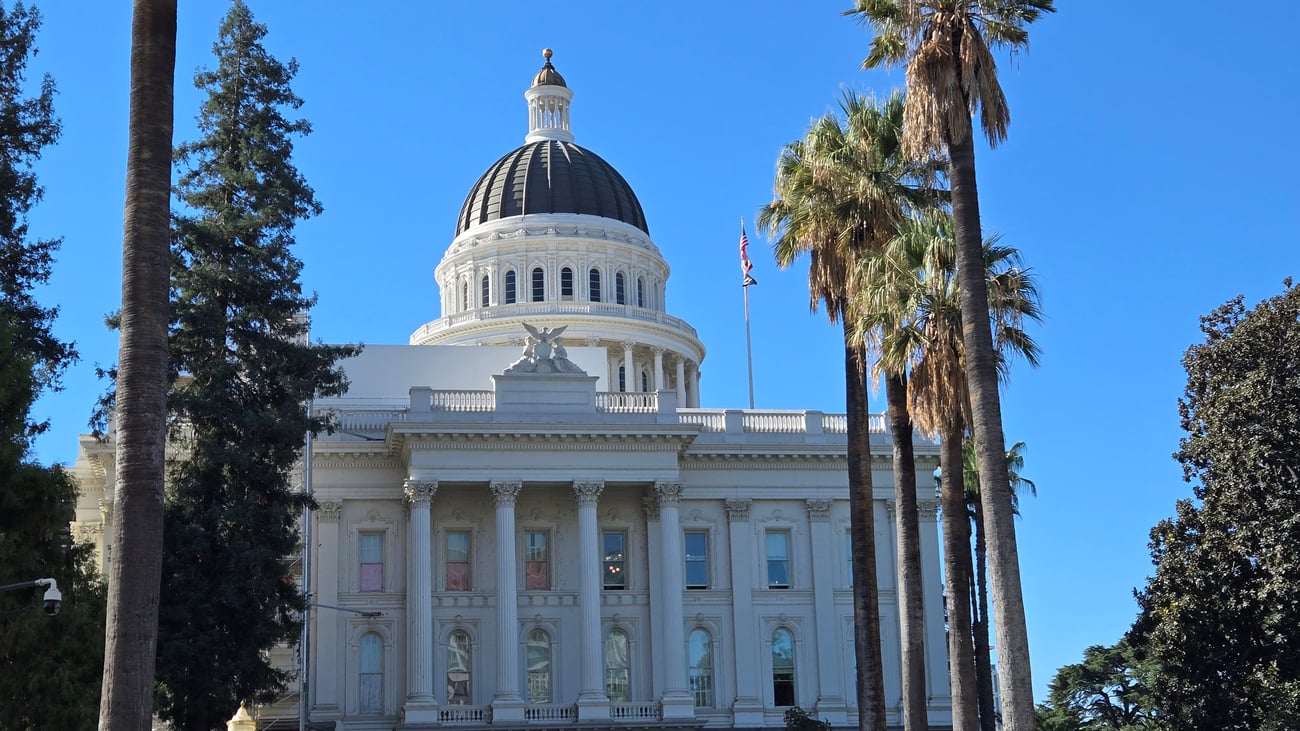
SACRAMENTO, Calif. (CN) — Top California leaders on Friday announced a budget agreement between lawmakers and the governor while continuing their verbal sparring match with President Donald Trump.
Governor Gavin Newsom, Assembly Speaker Robert Rivas and Senate President pro Tempore Monique Limón revealed a state budget agreement they say eliminates deficits for the next two fiscal years while bolstering California’s fiscal stability.
The budget agreement calls for $251.5 billion in spending from the state’s general fund in fiscal year 2026-27, climbing to a total of $351.7 billion when including all funds. It’s a slight decrease from the Legislature’s budget, passed June 15, which sought $253 billion in general fund spending, and $355.9 billion total.
Over $28 billion is slated for the state’s reserve funds, the Finance Department said.
Lawmakers had a deadline of June 15 to pass a budget, though negotiations continued with Newsom over the past two weeks to reach a final budget. The governor must sign a budget before the next fiscal year begins on Wednesday.
“A balanced budget isn’t an end in itself — it’s how we deliver for Californians,” Newsom said in a statement. “This budget demonstrates responsible choices that protect our fiscal strength while continuing to invest in what matters most.”
Newsom and Democratic legislators slammed Trump during the budget process, laying blame at the White House over the Big Beautiful Bill, what they called politically motivated attacks and withholding state funding. They’ve said Republicans on the national stage have pulled funding for state healthcare systems, forcing state lawmakers into hard choices.
“Despite continued funding cuts from the federal administration, California was able to mitigate the impacts to programs that millions rely on,” Limón said in a statement. “This budget agreement reflects our commitment to protect core programs and address our short- and long-term financial future by building up our rainy-day fund and making balanced budget choices.”
Limón’s office highlighted the creation of the fair share from big corporations’ program, saying it would push back against the Big Beautiful Bill’s cuts, and the governor’s administration will develop options for lawmakers to take, ensuring large corporations are accountable for their employees’ healthcare costs.
Legislators will receive those options by April 1 and consider them during next year’s budget process.
“Working families deserve a budget that has their back — and that’s exactly what California is delivering,” Rivas said in a statement. “We’re protecting healthcare, preserving food programs, investing in housing at record levels and building reserves to fight back no matter what Trump and Republicans throw at us.”
Lawmakers pointed to $900 million in funding for the latest round of the Homeless Housing, Assistance and Prevention program — $400 million more than Newsom had in his May revised budget.
The agreement also rejected Newsom’s proposed cuts to the state’s In-Home Supportive Services, which allows people with disabilities to remain in their homes rather than in a care facility.
It also provides $50 million to fund Proposition 36, which reinstated harsher punishments for certain property and drug crimes — much less than Republicans wanted.
Finding new revenue sources, the agreement approved Newsom’s plan to place a sales tax on electronically delivered software, which will boost general fund revenue by $450 million in 2026-27 and $900 million in 2027-28 and beyond.
Limón’s office called two ballot measures headed to November’s ballot key pillars of the broader budget picture.
The Veterans and Affordable Housing Bond Act of 2026 will help fund construction, keep affordable housing in place and expand people’s chances of owning a home. Of the $11.25 billion package, $10 billion in general obligation bonds would fund the construction, purchase and rehabilitation of affordable housing for lower-income residents. The remaining $1.25 billion in self-supporting revenue bonds would support the CalVet home loan program, helping veterans and military families purchase homes.
The Save for California’s Future Act would increase a cap on the rainy-day fund from 10% to 20%, and increase the amount saved in that fund when taxes stemming from capital gains and related income exceed certain levels.
Subscribe to our free newsletters
Our weekly newsletter Closing Arguments offers the latest about ongoing trials, major litigation and rulings in courthouses around the U.S. and the world, while the monthly Under the Lights dishes the legal dirt from Hollywood, sports, Big Tech and the arts.
Additional Reads

 Convicted crypto bros seek relief in the 11th Circuit June 26, 2026
 Four days in jail for using old $100 bills June 26, 2026