
 Search Articles


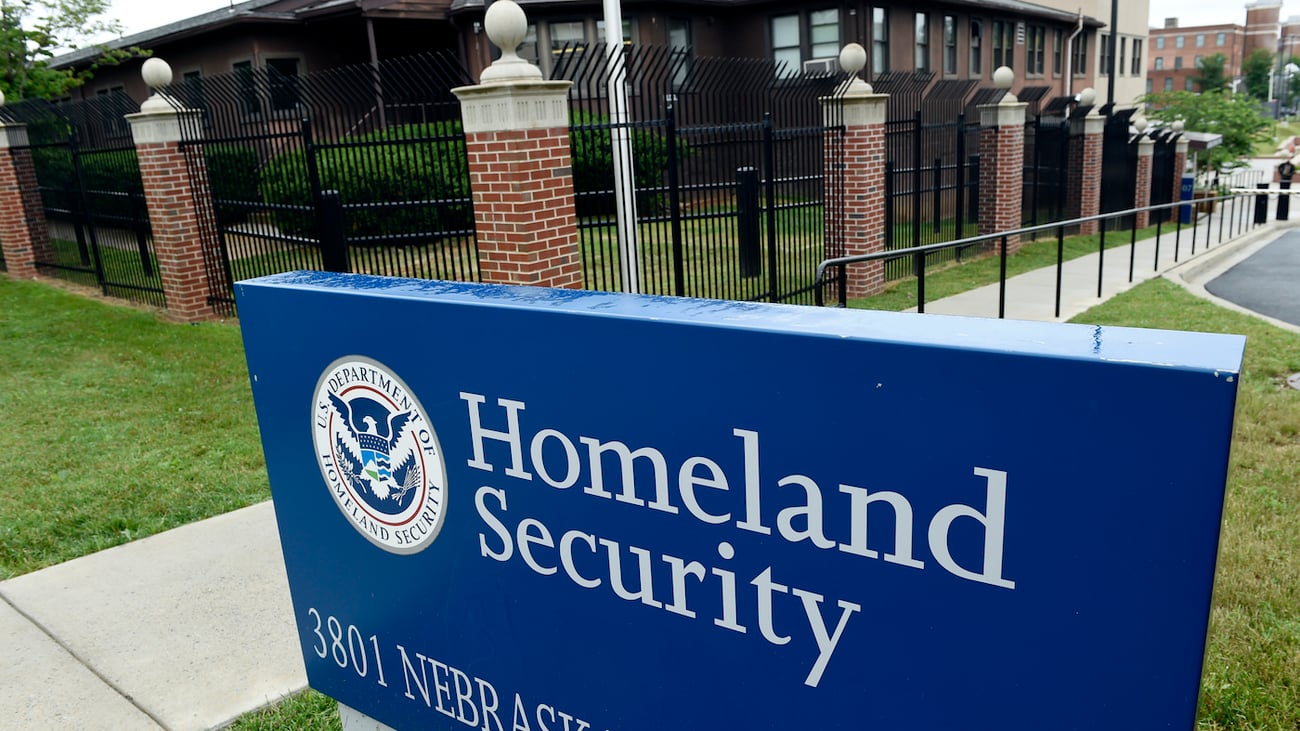
SAN FRANCISCO (CN) — A coalition of California and Oregon cities and counties asked a federal judge Wednesday to block the Trump administration from imposing or enforcing “unlawful and unauthorized” grant conditions targeting federal funds allocated for public safety, public health and environmental programs.
U.S. District Judge William Orrick indicated he would grant the plaintiffs’ request for a preliminary injunction against the Department of Homeland Security and the Department of Justice, but was skeptical about the plaintiffs’ claims against the Department of the Interior.
“Generally, I see no problem with the plaintiffs’ causes of action that are based on the alleged unconstitutionality of the executive orders concerning immigration, DEI and anti-discrimination that caused DHS, DOJ and DOI to add alleged unconstitutional or illegal conditions to various grant programs,” he said.
However, the Barack Obama appointee noted that there were no plaintiff municipalities located in the Northern District of California that had applied for grants from the Department of the Interior, with the city of Santa Cruz only stating they were “interested” in doing so.
He added that he had no issue with municipalities outside of the Northern District of California being part of the lawsuit, nor did he have concerns with municipalities applying for different grant programs within the same agency, as long as they had applied for a grant.
“My inclination is to grant preliminary injunctive relief that is narrowed to the grants for which the plaintiffs have applied,” he said.
The plaintiffs — which include the California cities of Fresno, Santa Clara, Redwood City, Santa Cruz and Stockton, as well as San Diego, Los Angeles and Santa Barbara counties, along with the cities of Beaverton, Corvallis and Hillsboro in Oregon — say they have either been awarded, have applied or intended to apply for funding from the departments, but objected to a series of new conditions.
The counties and cities accuse the agencies of unlawfully conditioning congressionally appropriated funds by requiring grant recipients to adhere to President Donald Trump’s anti-diversity, equity and inclusion policies, cooperate with federal immigration enforcement and comply with all executive orders related to grants.
Ryan McGinley-Stempel, an attorney for the plaintiffs, argued that municipalities that have not applied for grants, but intend to apply if not for the unlawful conditions, also face irreparable harm because the conditions are still affecting their bottom line.
“When these municipalities are making their long-term annual fiscal planning, they have to decide whether they are going to incorporate federal funding into the budget and their inability to do so … still exacts that irreparable harm that cannot be remedied after the fact,” he said.
McGinley-Stempel also encouraged Orrick not to restrict any potential injunction to just the grants listed in the complaint, arguing that there are new grant opportunities made available regularly.
A stricter preliminary injunction would require the plaintiffs to come back to court and ask the judge to expand the order every time one of the plaintiffs applied for a grant with the unconstitutional conditions, he said.
However, Jevechius Bernardoni, representing the DOJ, countered that any court injunction should only extend to those named in the complaint, arguing that those disputes are “unknowable.”
“We should address what is before the court, and if future events occur, we can address them when they happen, when we have a clear understanding of the facts,” he said.
Bernardoni additionally said he agreed with Orrick’s tentative thoughts on standing, stating that if a municipality has not actually applied for a grant, they don’t have standing to challenge the conditions.
He added that the government believes the court does not have the power to issue a preliminary injunction against DOI because there is no plaintiff in the Californis district with standing to bring claims against the agency.
Orrick told the parties he would get an order out “as soon as possible.”
Representatives for the parties did not immediately respond to a request for comment.
This isn’t the first time Fresno has led a lawsuit against the administration over its attempt to withhold funding from municipalities that don’t comply with executive orders and other administration policy preferences.
In August 2025, the city and other entities sued the Department of Housing and Urban Development, Health and Human Services, Transportation and the Environmental Protection Agency over grant conditions requiring compliance with Trump’s policy preferences related to DEI, “gender ideology,” “elective abortion” and federal immigration enforcement.
Chief U.S. District Judge Richard Seeborg, a Barack Obama appointee, later granted the plaintiffs’ request for a preliminary injunction, and in August 2026, extended the injunction to cover additional plaintiff localities.
Additionally, in November, Orrick blocked the Department of Homeland Security from withholding disaster preparedness grants from local governments that refuse to adhere to federal anti-DEI policies and vague conditions requiring compliance with unspecified grant-related executive orders.
 Follow @mhattridge_
Subscribe to our free newsletters
Our weekly newsletter Closing Arguments offers the latest about ongoing trials, major litigation and rulings in courthouses around the U.S. and the world, while the monthly Under the Lights dishes the legal dirt from Hollywood, sports, Big Tech and the arts.
Additional Reads

 Investors sue Adobe execs over AI copyright statements June 17, 2026

