Search Articles


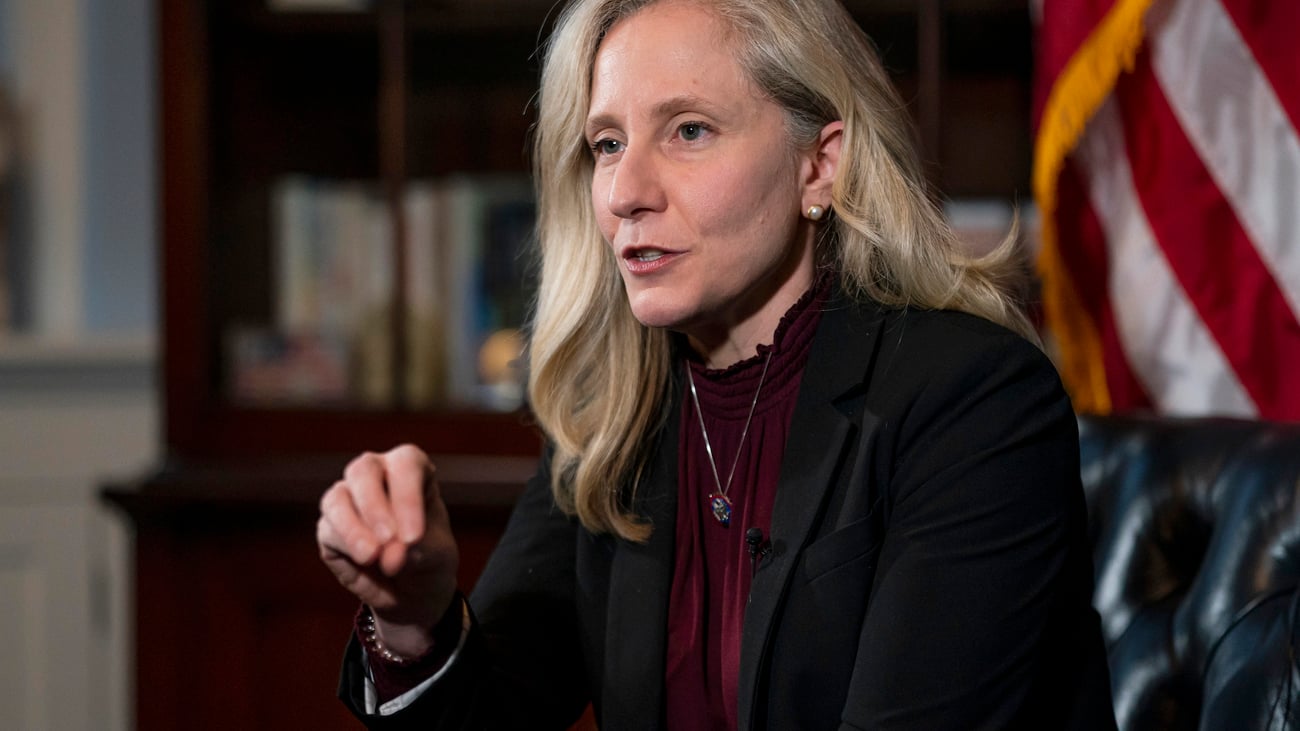
RICHMOND, Va. (CN) — Labor unions on Friday called on the General Assembly to reject Governor Abigail Spanberger’s sweeping amendments to a collective-bargaining bill, arguing they would dilute the bill’s purpose.
As passed by the legislature, the bill — SB 378 — was intended to strengthen union rights for state and local government employees.
The Democratic leader proposed an array of amendments as she navigates her first legislative session as governor.
Among other changes, Spanberger wants to delay collective-bargaining rights for local government employees from 2028 until 2030. She wants to give governor-appointed members of the Public Employee Relations Board a much larger role in negotiations and remove language that would require the board to include at least two union representatives. She also wants to clarify that government employers are not waiving sovereign immunity — a move that would likely leave employees unable to seek monetary damages for violations.
The General Assembly will reconvene on April 22 to consider the amendments. Spanberger has pitched her changes as a middle-ground approach that will help ensure the longterm success of collective bargaining legislation.
“I know some people think Virginia has to choose between being pro-worker and pro-business, but I reject that,” Spanberger said in a press release. “Our economic success has always come from supporting both.”
“This is not an either-or proposition, and these bills reflect that,” she continued. “In the end, we need to get these new laws right from the beginning, which is what my amendments seek to enable.”
At a press conference Friday opposing the changes, labor supporters called foul on this logic.
“This bill weakens the rights we’ve already fought so hard for to win,” Alexandria-based accountant Tia Littlejohn Adams said. “There is nothing pro-worker about that.”
As it passed the General Assembly, SB 378 would have codified certain issues — including staffing, working conditions and benefits — on which employees would be guaranteed the right to negotiate. Spanberger’s amendments leave it up to the board to decide topics of negotiation.
The original bill promised “firefighters and paramedics can sit down with their city or county governments and have real, meaningful conversations about staffing levels, about training standards and about equipment that meets the demands of the modern fire service,” said Kurt Detrick, president of the Local 539 Portsmouth Professional Firefighters and Paramedics. “Things like safety standards that protect the men and women who run into burning buildings while everyone else runs out.”
The governor’s substitute, he said, has no such guarantee. “There’s no protection for our scope of bargaining.”
Critics noted that while Spanberger wants to delay when local government employees could bargain, there is no such delay for people working for the state.
“There’s no reason to draw lines between workers based on who their employer is,” said Kathryn Brown, an elementary school teacher and member of the Virginia Education Association. “We’re calling on the General Assembly to please vote no to the substitution to protect the rights of all Virginia’s public servants.”
State Senator Scott Surovell, a Democrat who introduced the Senate version of the legislation, said at the news conference that he was surprised at the changes.
He said he and other legislators had already worked to find accommodation and compromise. For example: The bill doesn’t mandate collective bargaining or allow public-sector workers to strike — it just gives local school boards and governments the ability to vote to establish collective bargaining.
“I had no idea that the governor wanted to make changes at this magnitude until about a week ago,” Surovell said. “I just think there’s been a lot of sky-is-falling tactics from the local government community."
Subscribe to our free newsletters
Our weekly newsletter Closing Arguments offers the latest about ongoing trials, major litigation and rulings in courthouses around the U.S. and the world, while the monthly Under the Lights dishes the legal dirt from Hollywood, sports, Big Tech and the arts.
Additional Reads


 Stocks soar, oil drops as Strait of Hormuz partially reopens April 17, 2026