
 Search Articles


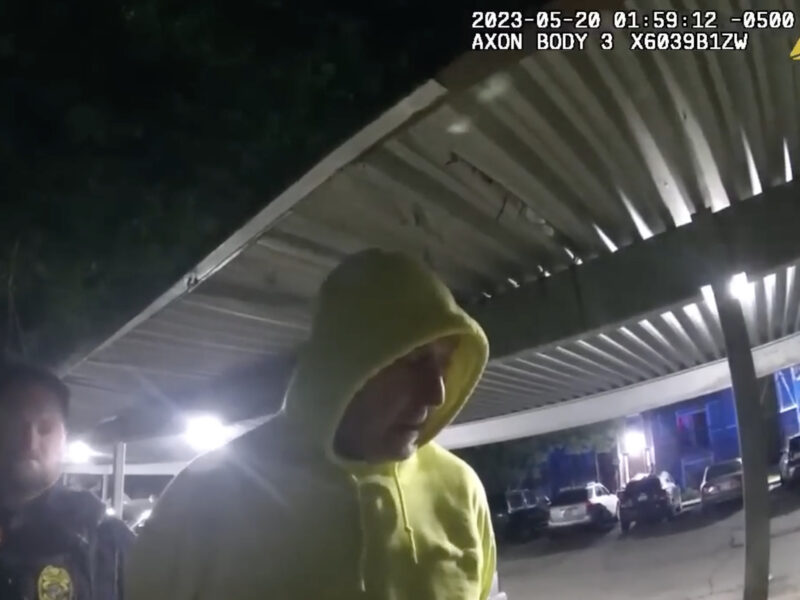
(CN) — A citizen journalist and police accountability advocate asked the 10th Circuit on Wednesday to revive a First Amendment retaliation case he brought against police officers after filming them during a response to a shooting.
The case stems from an incident that occurred in 2023 in Lawrence, Kansas, when Phillip Eravi began filming a police response to a shooting between two neighbors. Lawrence Police Department officers ordered Eravi to leave the area, though his compliance remains disputed, and he was ultimately arrested.
Eravi, who operates the Lawrence Accountability YouTube page, claims the officers targeted him because of his views on police and because of his reporting on their activity.
U.S. District Judge Daniel Crabtree agreed with the Lawrence officers’ argument that their actions were protected under qualified immunity and dismissed Eravi’s claims against them in March last year. Crabtree, a Barack Obama appointee, also dismissed claims against the city of Lawrence for failure to state a claim.
Eravi’s attorney, Linus Baker, argued in front of a three-judge panel that Crabtree misunderstood the facts of the case when he dismissed the claims.
“The District Court held that the plaintiff was moving to and from an ongoing crime scene with an active shooter,” Baker said. “Those two propositions are incorrect.”
According to Baker, his client remained 50 yards away from the police, who failed to establish any kind of visible crime scene. He also disputed the use of the term “active shooter” as a term of art.
“The term of art, active shooter, means the suspect is not detained, you don’t have control of the situation, and there’s an imminent safety threat,” Baker told the panel.
According to his retelling, the police arrived at the driveway of the scene where the shooting happened on the night of May 19, at about 10:37 p.m. Eravi was filming them from across the street at another private property.
“When you say that this private property 50 yards away from where the crime actually happened is a crime scene, First Amendment gets pretty well reduced to zero,” Baker said. “You have to get out of there.”
Baker argued Crabtree’s ruling sets a bad precedent by allowing police to avoid any criticism by simply ordering citizen journalists like Eravi to leave any given area they deem a crime scene.
The officers contend he was in the line of fire and needed to move for his own safety. They also said Eravi was distracting them from their job.
Baker said there was no dispersal order for the neighborhood, though there was a shelter-in-place order.
Additionally, police arrested Eravi as he was complying with police commands to leave the area, Baker said. Eravi was arrested for interference. That case is still pending.
“When you look at this case, it is a citizen journalist videotaping from a safe distance from an apartment, and when you realize that he has a right to do that, then the other confrontations collapse,” Baker said. “He has a First Amendment right to do that. He shouldn’t have been arrested.”
Attorney Michelle Stewart of Hinkle Law Firm, representing the city of Lawrence and its police officers, disputed Baker’s retelling. She argued Eravi was moving about an active crime scene and was not complying with their commands.
But the panel questioned Stewart about how Eravi’s presence was obstructing the police at the scene.
“What he was doing was inserting himself into a very active situation,” she said. “The officers don’t know what this gentleman holed up in the house shooting his gun out the window is going to do. Their attention should have been focused solely on securing this active shooter — getting him either out of the house, contained — that was in progress.”
She asked the panel to affirm the lower court’s ruling.
The panel included U.S. Circuit Judge Scott Matheson Jr., an Obama appointee, and U.S. Circuit Judges Allison Eid and Joel Carson, both Donald Trump appointees.
Subscribe to our free newsletters
Our weekly newsletter Closing Arguments offers the latest about ongoing trials, major litigation and rulings in courthouses around the U.S. and the world, while the monthly Under the Lights dishes the legal dirt from Hollywood, sports, Big Tech and the arts.