Search Articles


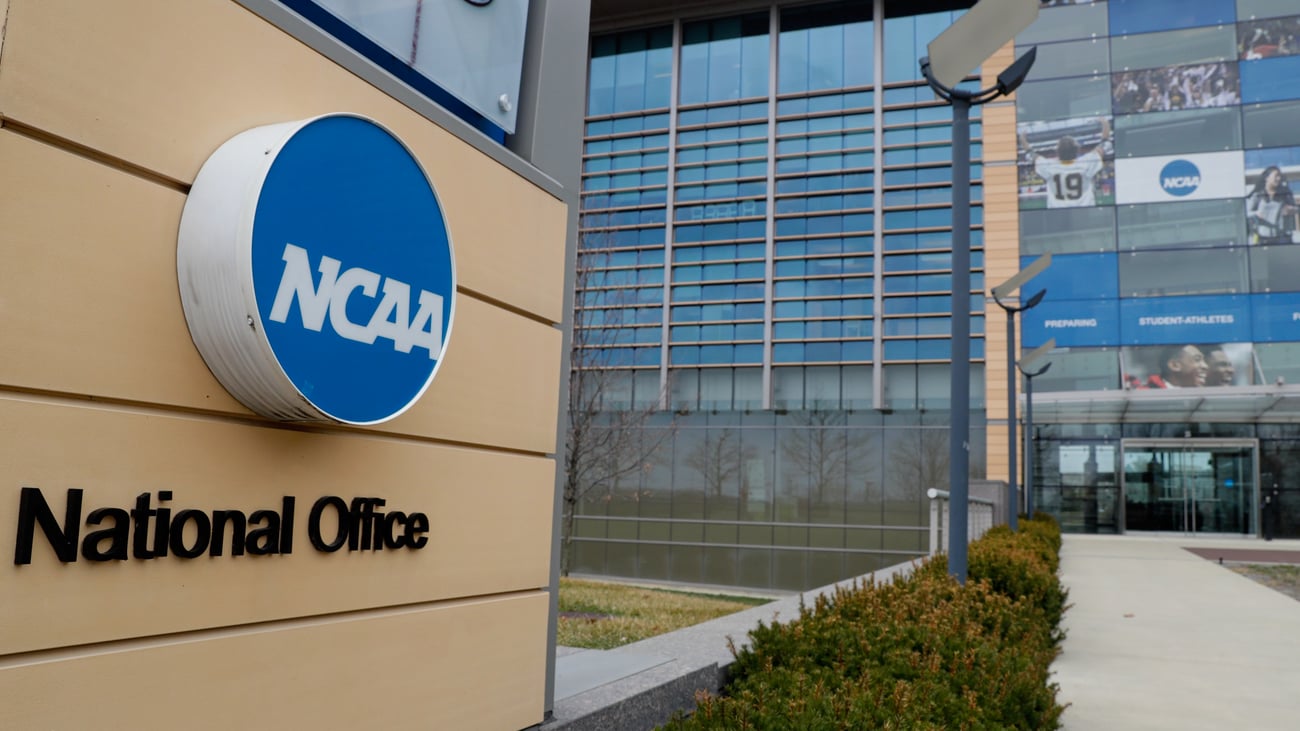
CINCINNATI (CN) — The NCAA’s new eligibility rule unfairly excludes 2022 high school graduates and prevents them from profiting off their name, image and likeness next season, college athletes claimed Wednesday in an Ohio lawsuit.
A group of Division I basketball players sued the NCAA in Hamilton County Common Pleas Court seeking an injunction to prevent enforcement of the bylaw, announced by the governing body for college sports on Tuesday.
Bylaw 12.6 will allow Division I athletes to compete in five seasons over a five-year period, whereas previous regulations allowed for four seasons of competition over a five-year period. However, the five-year calendar period now begins with a student’s full-time enrollment or the academic year following their 19th birthday, whichever occurs first.
Previously, college athletes were permitted a single “redshirt” year that allowed them to sit out for medical reasons but retain eligibility.
The new bylaw effectively eliminates redshirts or other eligibility waivers, which were often granted on a case-by-case basis by the NCAA.
In their lawsuit, the basketball players — none of whom have used a redshirt waiver — emphasize they do not take issue with a defined eligibility period, but only with the way it is being applied to college athletes who graduated high school in 2022, especially as it relates to NIL benefits.
“The consequences are particularly stark with respect to financial opportunities,” the players say. “College athletes like plaintiffs who first enrolled in 2022 only had an opportunity to receive one year of the $20.5 million in annual payments that Division I universities are now permitted to pay out to college athletes.
“This selective denial of benefits, when juxtaposed with the windfalls provided to earlier academic year classes, underscores the arbitrary and unfair nature of the NCAA’s application of its four season rule to plaintiffs,” they argue.
The players highlighted the arbitrary nature of the NCAA’s enforcement and pointed out it allows basketball players who initially skipped college to play professionally for a year to return and play an additional four years in college, while Covid-19 waivers were also granted to all collegiate athletes.
“At the start of their college careers, 2022 high school graduates were forced to compete against older, stronger and more experienced athletes for roster spots and playing time because the NCAA gave all athletes enrolled in school during Covid a fifth season of competition. Then, at the end of their college careers, the NCAA made the fifth season of competition a permanent rule change — but excluded their class from the benefits of the change,” the players said.
The players argue they could still secure roster spots on collegiate teams for the 2026-27 season if they are granted immediate injunctive relief, which would also lead to NIL revenue.
The players claim they are third-party beneficiaries of the NCAA’s contract with its member institutions, and listing breach of contract and violations of the Ohio Consumer Sales Practices Act as their causes of action.
In the five years since the U.S. Supreme Court determined the NCAA is not exempt from antitrust laws, college athletes have cashed in on their publicity rights and enjoyed more freedom to transfer between schools. The NCAA has dealt with a continual barrage of lawsuits filed by players seeking additional eligibility, while member institutions have also taken legal action against players.
Most notably, the University of Cincinnati sued quarterback Brendan Sorsby earlier this year for $1 million after he transferred to Texas Tech. Sorsby, who later sought treatment for a gambling addiction, was denied eligibility by the NCAA and entered his name into the NFL supplemental draft only to have the league cancel it earlier this week.
Included among the plaintiffs of Wednesday’s lawsuit are Javon Bennett, Chevalier Emery Jr., Filip Borovicanin, Malik Messina-Moore, Jalen Quinn, Savannah White, Donovan Brown, Christian Henry, Ziare Wells, MJ Collins Jr., Kolby King, Cristian Carroll, Shawn Phillips Jr., Caden Powell and Josh Reed.
The lawsuit was filed by attorney Charles M. Rittgers of the Cincinnati firm Rittgers, Rittgers and Nakajima.
The NCAA released the following statement about its decision to alter eligibility requirements for college athletes and any ensuing lawsuits.
“Student-athletes who will exhaust their eligibility this year have received the full period of eligibility permitted by NCAA bylaws and the life-changing benefits college sports provides. Giving those student-athletes another season would destabilize rosters just ahead of the coming season by disrupting settled expectations of countless student-athletes regarding their expected roster spots and playing time next year, including incoming freshmen who are eager to participate in the life-changing experience of college athletics.
“The Division I Cabinet, which includes representatives from all autonomy conferences, was unanimous in its decision and while we are aware of lawsuits challenging this policy decision, we do not intend to change course,” it said.
 Follow @kkoeninger44
Subscribe to our free newsletters
Our weekly newsletter Closing Arguments offers the latest about ongoing trials, major litigation and rulings in courthouses around the U.S. and the world, while the monthly Under the Lights dishes the legal dirt from Hollywood, sports, Big Tech and the arts.