Search Articles


THE HAGUE, Netherlands (CN) — A conflict that has haunted Central Africa since the 1994 Rwandan genocide reached the United Nations’ highest court Friday, with the Democratic Republic of Congo accusing neighboring Rwanda of orchestrating nearly three decades of killings, rape and persecution across its mineral-rich eastern provinces.
Congo asked the International Court of Justice in The Hague to hold Rwanda responsible for violating four international human rights treaties, including the Genocide Convention and the Convention Against Torture. Congo’s capital of Kinshasa wants judges to order Rwanda to halt any continuing violations, compensate victims, prosecute those responsible, issue official apologies and ensure the abuses are never repeated.
In 1994, extremist Hutu leaders in Rwanda carried out the genocide against the country’s Tutsi minority and moderate Hutus after portraying Tutsis as enemies of the state and blaming them for the country’s civil war, killing an estimated 800,000 people in about 100 days.
When the Tutsi-led Rwandan Patriotic Front overthrew the genocidal government, roughly 2 million Hutus fled Rwanda, many into neighboring Zaire, now the Democratic Republic of Congo. Many ended up in sprawling refugee camps around Goma and Bukavu, where civilians lived alongside members of armed groups accused of participating in the genocide.
Congo says Rwanda soon began sending troops across the border, publicly presenting the operations as necessary to protect its security and pursue those responsible for the genocide, while targeting Hutus who had fled into eastern Zaire and, later, the Democratic Republic of Congo.
It says “the atrocities, committed in the context of the genocidal campaign and grave and massive violations of human rights conducted by Rwanda’s authorities in eastern Zaire, and later the Democratic Republic of Congo, were directed primarily at Hutus who found themselves on Zairian, and then Congolese, territory in the wake of the 1994 genocide against the Tutsis,” adding that “behind the official justification of Rwanda’s ‘security’ or ‘self-defense’ lurked other unstated objectives, including the eradication of Hutus accused of having been involved in the 1994 genocide — by supporting or participating in it — and the illegal exploitation of Congolese natural resources.”
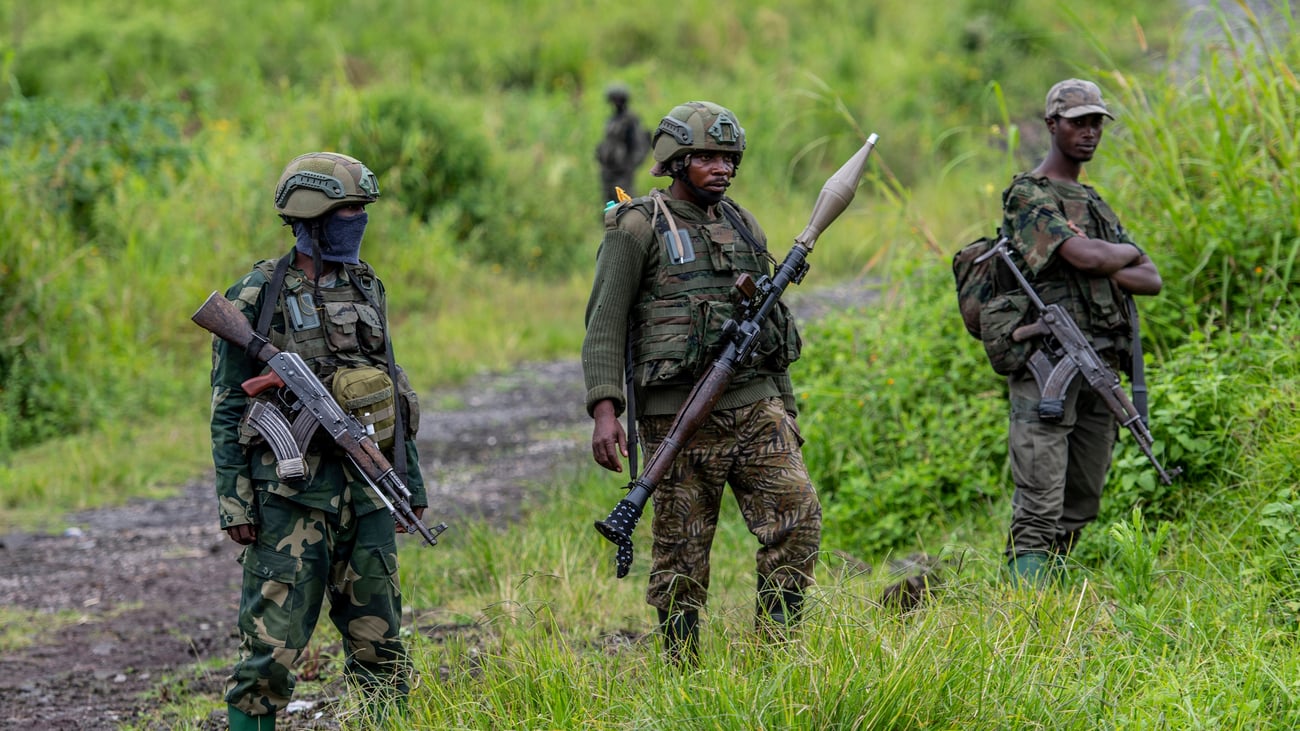
Congo says Rwanda relied not only on its own armed forces but also on a succession of Congolese rebel movements it created, armed or directed. It divides the claimed abuses into five periods spanning nearly three decades, from the AFDL during the First Congo War to RCD-Goma, the CNDP, the M23 and, most recently, the AFC/M23 alliance.
The violence, Congo says, gradually expanded beyond Rwandan Hutu refugees to Congolese civilians. It names the Nyindu, Bembe, Lega, Nande, Hunde and Bashi among the affected communities. Indigenous to eastern Congo, those groups have spent decades caught between regional wars, foreign military intervention and shifting rebel movements. Congo says Rwanda and the armed groups it supported attacked refugee camps and villages, carried out massacres, committed widespread sexual violence, blocked humanitarian aid, forcibly displaced civilians, recruited children and tortured detainees.
The government also stresses that it is not asking judges to revisit or diminish the genocide against the Tutsis. Instead, it says the crimes committed in Rwanda in 1994 and the violence that later unfolded inside Congo should be examined separately.
It also seeks to clear the jurisdictional hurdle that ended its earlier case against Rwanda in 2006. Judges then ruled they lacked jurisdiction under the treaties it relied upon. Kinshasa now says Rwanda’s subsequent withdrawal of several treaty reservations and accession to the Convention Against Torture give the court jurisdiction to hear the dispute.
Eastern Congo remains one of Africa’s most volatile conflict zones. Since reemerging in late 2021, M23 has seized territory, displaced hundreds of thousands of civilians and further strained relations between Kinshasa and Kigali. Rwanda denies directing the group and says armed Hutu factions operating from Congolese territory continue to threaten its security.
The proceedings are only beginning. Rwanda can challenge the court’s jurisdiction before judges consider the substance of Congo’s claims. Any final judgment will be binding and cannot be appealed. Created in 1945, the ICJ is the U.N.’s top court for resolving legal disputes between states.
Courthouse News reporter Eunseo Hong is based in the Netherlands.
Subscribe to our free newsletters
Our weekly newsletter Closing Arguments offers the latest about ongoing trials, major litigation and rulings in courthouses around the U.S. and the world, while the monthly Under the Lights dishes the legal dirt from Hollywood, sports, Big Tech and the arts.