Search Articles


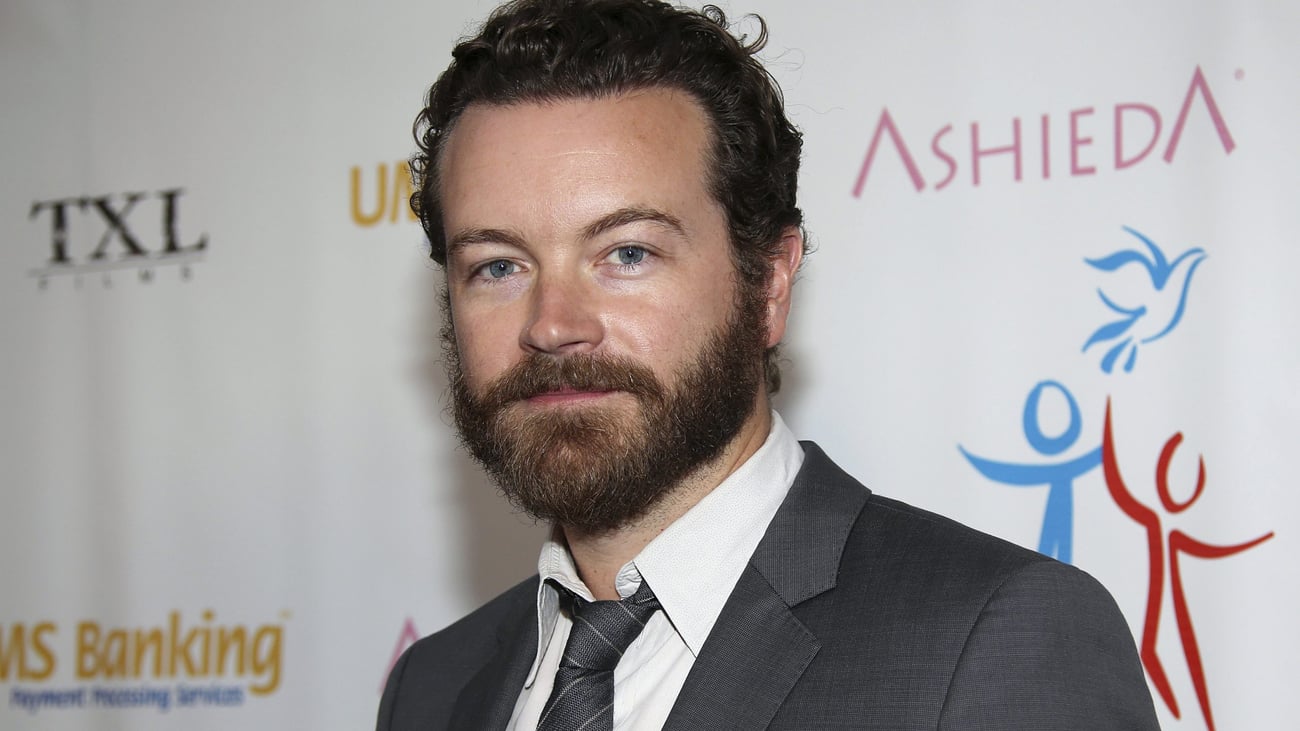
LOS ANGELES (CN) — Actor Danny Masterson asked the California state court of appeals on Thursday to overturn his 2023 conviction for rape.
Masterson is currently serving 30 years to life in prison after a jury found him guilty of raping two women “by force or fear” in 2001 and 2002, after surreptitiously drugging them.
The “That 70’s Show” actor was tried twice, the first ending in a mistrial on all counts. The second jury convicted Masterson of raping two unnamed women, known in court as J.B. and N.T., and deadlocked on rape charges for a third woman, C.B.
Masterson and all three of the women were members of the Church of Scientology, which typically tries to settle disputes between its members itself. When the women told church authorities about the sexual assaults, they dissuaded them from going to the police.
Nonetheless, J.B. reported her rape in 2004, but the District Attorney’s office declined to prosecute. He was charged in 2020, following a three-year investigation that began during the height of the “Me Too” movement.
The 50-year-old Masterson maintains that the sex was consensual. In his opening brief to the appeals court, Masterson said “the testimony of both J.B. and N.T. changed dramatically over the years.” Those changes were motivated, the actor said, by “the time-honored motive of financial self-interest.”
Civil claims against Masterson would have been time-barred — unless Masterson was criminally convicted of forcible rape involving multiple victims, in which case they would have a new one-year window to file civil sexual assault lawsuits.
That motive, Masterson’s attorney, Cliff Gardner, said, nudged the victims into altering their testimony. And, he argued, the jury never got to see or hear evidence about the victims’ financial motives.
Justice Victoria Chavez suggested she was skeptical of that argument.
“It doesn’t seem like the door was completely shut on that topic,” Chavez told Gardner. She wondered if Masterson’s trial attorney, Phillip Cohen, have asked the victims something to the effect of, “Are you planning on suing for rape?” She asked if that could have been enough to suggest that they were driven by financial motives.
Gardner agreed, adding: “But what jurors didn’t know was, you can’t sue unless you obtain a conviction.” That is, the victims had a financial motive not just in accusing Masterson, but making his behavior seem especially violent, in order to obtain a conviction for forcible rape.
Deputy Attorney General Blythe Leszkay said that evidence was “speculative, confusing and irrelevant,” and that “the jury was well aware that there was indeed a pending lawsuit.”
The attorney also argued that the trial judge, Charlaine Olmedo, improperly did not allow the defense to subpoena text messages between the victims.
“They communicated with each other and changed their testimony,” Gardner said. He claimed, J.B., for example, added new details, like Masterson having a gun, that she initially hadn’t told investigators.
Leszkay said those subpoenas would have been an “overbroad fishing expedition.” She pointed out that the defense could have subpoenaed specific elements of the text thread — all mentions of a gun, for example.
“Instead, they requested any communication about the appellant,” she said.
The three-judge panel, which included justices Anne Richardson and Stephen Goorvitch, took the case under submission.
 Follow @hillelaron
Subscribe to our free newsletters
Our weekly newsletter Closing Arguments offers the latest about ongoing trials, major litigation and rulings in courthouses around the U.S. and the world, while the monthly Under the Lights dishes the legal dirt from Hollywood, sports, Big Tech and the arts.