
 Search Articles


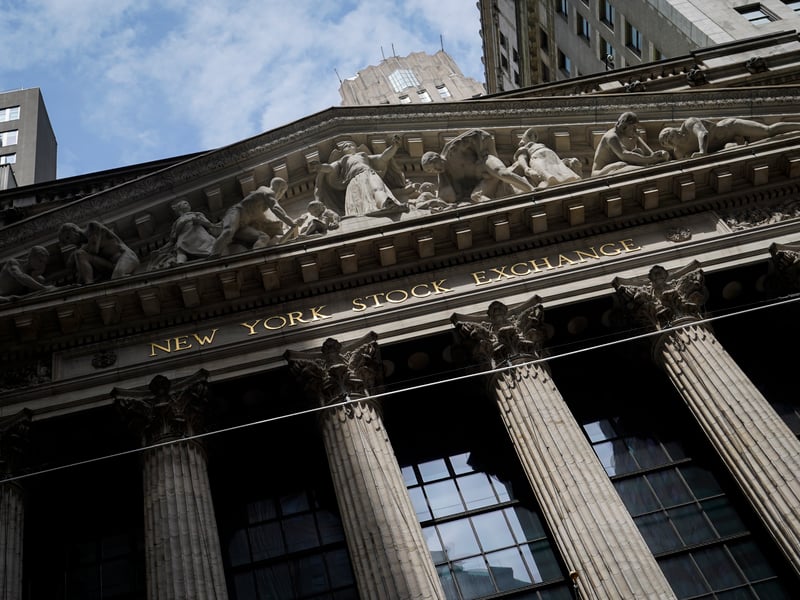
MANHATTAN (CN) — Tariff threats from the Trump administration sent investors into a free fall early in the week, and while Wall Street recovered from those losses it still ended the week down.
With tariffs still in place Monday morning, markets plummeted, with the Dow Jones Industrial Average dropping nearly 700 points at one point. After the White House backed off its 25% tariffs on goods from Canada and Mexico, markets quickly recouped those losses.
However, by the closing bell on Friday tariff fears reemerged after President Donald Trump said tariffs would be coming next week. All told, Dow lost 241 points for the week, while the S&P 500 declined by four points and the Nasdaq fell by 104 points.
The proposed North American tariffs ruffled feathers on Main Street, too, with the U.S. Chamber of Commerce saying the 25% tax on those countries’ goods would “only raise prices for American families and upend supply chains.”
Some economists have predicted the tariffs on the countries — as well as the additional 10% proposed tariffs on China — would cost the average U.S household $1,200 per year. They also note that Trump’s plan to extend the 2017 tax cuts would not be enough to protect households from the negative impact of tariffs.
Prior to the turmoil over tariffs, manufacturing continued to rise. On Monday, the ISM Manufacturing index increased by 1.7%, better than the consensus forecast and putting the index into “expansion” territory since 2022. With the latest print, the manufacturing index finally was able to move past 26 straight months of sub-50 headline prints.
ISM’s other indices also showed strong rebounds, with the employment index increasing to 50.3 and the “new orders” index hitting 55.1.
Tariff threats also spurred a decline in consumer sentiment, with the University of Michigan’s preliminary survey losing four points while its mid-month “current conditions” index similarly dropping five points. The decrease was seen among all political groups surveyed.
The other major news this week was the bevy of employment reports, which showed the U.S. economy added fewer jobs than expected in January. However, with the 100,000 jobs added to the previous two employment reports the labor market remains strong.
So strong that most experts think the Federal Reserve is confident in a “wait and see” approach through the next few months before it again cuts interest rates.
“It’s becoming harder to worry about the labor market conditions with this report,” said Charlie Ripley, senior investment strategist for Allianz Investment Management. “Either way you spin it, the Fed should feel quite cozy sitting tight the rest of the winter knowing that it was the right decision to hit the pause button on rate cuts.”
 Follow @NickRummell
Subscribe to our free newsletters
Our weekly newsletter Closing Arguments offers the latest about ongoing trials, major litigation and rulings in courthouses around the U.S. and the world, while the monthly Under the Lights dishes the legal dirt from Hollywood, sports, Big Tech and the arts.