
 Search Articles


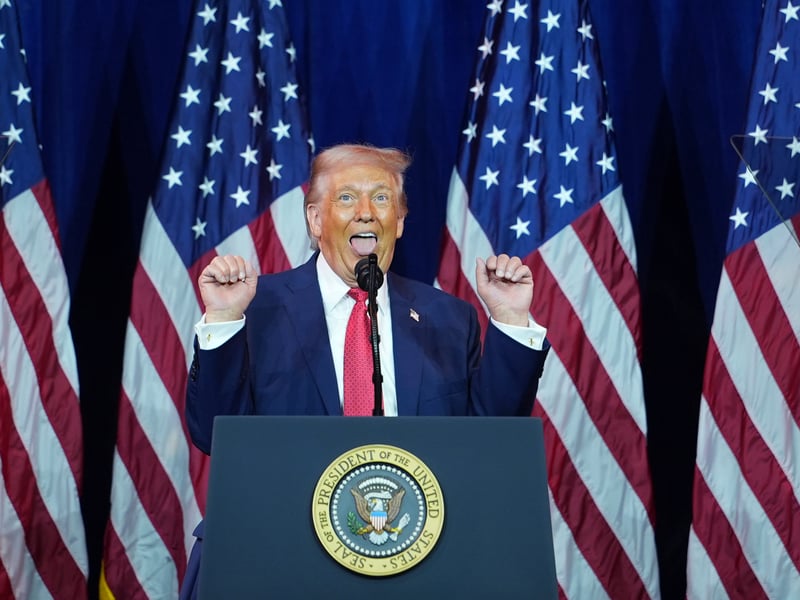
WASHINGTON (CN) — In a significant blow against efforts to curb greenhouse gas pollution, the Trump administration on Thursday rescinded a landmark legal opinion undergirding over a decade of federal climate change policies.
The 2009 endangerment finding declared carbon emissions a threat to public health and underpinned Clean Air Act rules, such as the Clean Car and Truck Standards. President Donald Trump celebrated its repeal as “the single largest deregulatory action in American history.”
Conservative activists have slowly undercut the endangerment finding through a decade of legal advocacy before Trump, who has referred to climate change as a hoax, signed its death warrant.
At a White House event Thursday, the president claimed that negative consequences of the finding were “all dead, gone, over.”
“These crippling restrictions were a major factor in driving up car prices to unprecedented levels, and the car that you were getting was not nearly as good. In four years under the Biden administration, the price of a new and used car was more than 22%,” Trump said.
The Environmental Protection Agency was motivated to issue the endangerment finding by the Supreme Court. In a 2007 case known as Massachusetts v. EPA, the justices ruled that the agency had authority to regulate carbon dioxide, methane and other climate pollutants under the Clean Air Act.
Ever since, the endangerment finding has served as the backbone to federal policies regulating greenhouse gases. But as the bench became more conservative, the Supreme Court routinely rejected EPA policies.
In 2022, the high court gutted federal authority to regulate coal plant emissions in West Virginia v. EPA. Using a defunct Obama-era policy, the 6-3 majority established the major questions doctrine, limiting the power of federal agencies to act without Congress’ express permission.
Subsequent rulings from the court nixed the EPA’s authority to regulate wetlands, threw out rules limiting the discharge of wastewater into harbors and coastal zones and blocked a policy to reduce cross-state pollution.
The high court’s landmark 2024 ruling in Loper Bright v. Raimondo boosted Trump’s deregulatory agenda.
Looking to capitalize on the Supreme Court’s assistance, Trump called for a purge of federal regulations last April. EPA Administrator Lee Zeldin previewed the proposal to nix the endangerment finding a month later, announcing that the agency would undertake 31 actions to reconsider numerous climate regulations, including rules for power plants, the oil and gas industry, coal-fired power plants, coal ash programs and wastewater regulations for coal plants.
In July, Zeldin revealed a proposal to repeal the finding on a conservative talk show, vaunting the move as “driving a dagger into the heart of the climate change religion.”
Environmental advocates railed against the decision, vowing not to go down without a fight.
“The unlawful, year-long effort by the political leadership at EPA rejects the overwhelming evidence that climate pollution threatens everyone’s health and safety,” Environmental Defense Fund president, Fred Krupp, said in a statement promising to challenge the action in court, “where evidence matters, and keep working with everyone who wants to build a better, safer and more prosperous future.”
Unlike Trump, the Environmental Defense Fund touted the endangerment finding’s billions of dollars of investment as a positive.
“It’s led to clean vehicle standards for automakers that are giving drivers more choices that save them money while limiting the pollution that leads to costly trips to the emergency room and sick days at work and school,” Krupp said. “It’s sparking billions of dollars in investment and innovation in new technologies that help ensure America’s manufacturers are globally competitive and that don’t come with a long list of health side effects.”
Republican and Democratic administrations have ping ponged between tightening and loosening pollution regulations, but repealing the finding will make it much more difficult for any future White House hoping to curb climate change.
When asked about whether his actions would come at the expense of public health and the environment, Trump said, “don’t worry about it.”
 Follow @KelseyReichmann
 Follow @kelseyreichmann.bsky.social
Subscribe to our free newsletters
Our weekly newsletter Closing Arguments offers the latest about ongoing trials, major litigation and rulings in courthouses around the U.S. and the world, while the monthly Under the Lights dishes the legal dirt from Hollywood, sports, Big Tech and the arts.