Search Articles


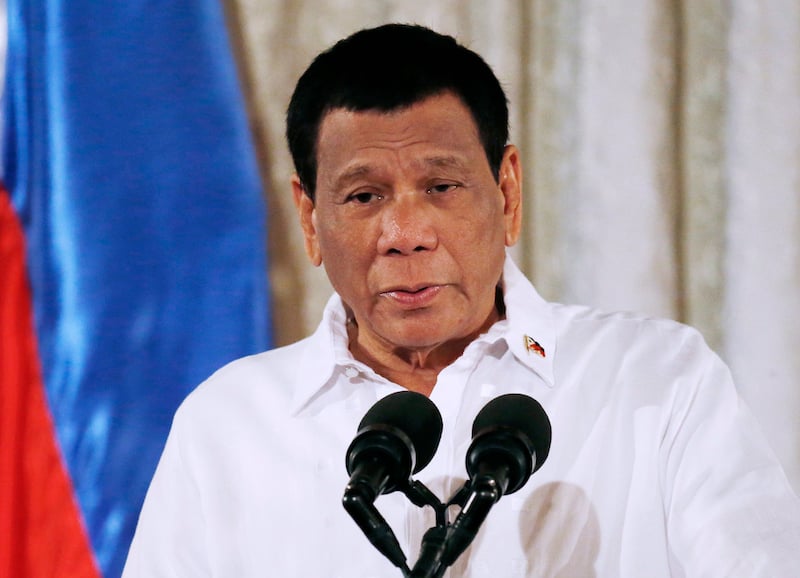
THE HAGUE, Netherlands (CN) — A former strongman president who built his legacy on a brutal drug crackdown is now headed to trial in The Hague after judges at the International Criminal Court said Thursday there is enough evidence to press forward with charges over thousands of killings in the Philippines.
The court’s Pre-Trial Chamber confirmed crimes against humanity charges, including murder and attempted murder, and sent Rodrigo Duterte’s case to trial, finding sufficient grounds to link him to killings during his years as mayor of Davao City and later as president.
This isn’t the finish line but rather a green light for trial. Judges were deciding whether the case clears the bar to move forward, not whether Duterte is guilty.
In its decision, judges said the threshold is lower than what is required for conviction but still demands concrete evidence pointing toward responsibility. They found that standard met, noting the prosecution had presented material showing a “clear line of reasoning underpinning the charges.”
Prosecutors say Duterte oversaw a yearslong wave of extrajudicial killings targeting suspected drug offenders from 2011 to 2019, arguing the violence was driven by an organized policy rather than scattered acts.
Judges agreed the scale of the suspected crimes matters. Instead of requiring a full list of every victim, they allowed the case to move forward based on representative incidents that could capture a broader pattern.
They also tackled a key defense argument over the word “neutralize,” with Duterte’s lawyers saying it meant taking suspects into custody, not killing them. Judges didn’t buy that reading. In this case, they found enough evidence that the term pointed to lethal force, concluding it was understood “to mean to ‘kill’” in practice.
Still, the judges made clear they are not ruling on this case one way or the other. They stressed this stage is preliminary, not a final judgment, noting that “the Pre-Trial Chamber’s determinations will necessarily be presumptive.”
Duterte was never a typical politician. Now 81, he spent more than two decades as mayor of the southern Philippines city of Davao, building a hardline law-and-order image shaped by blunt rhetoric, strongman politics and an open embrace of tough, often violent tactics in the name of public safety. He carried that persona to the national stage in 2016, winning the presidency on a promise to crush drugs and crime. What followed was a sweeping crackdown that left thousands dead in police operations and vigilante-style killings.
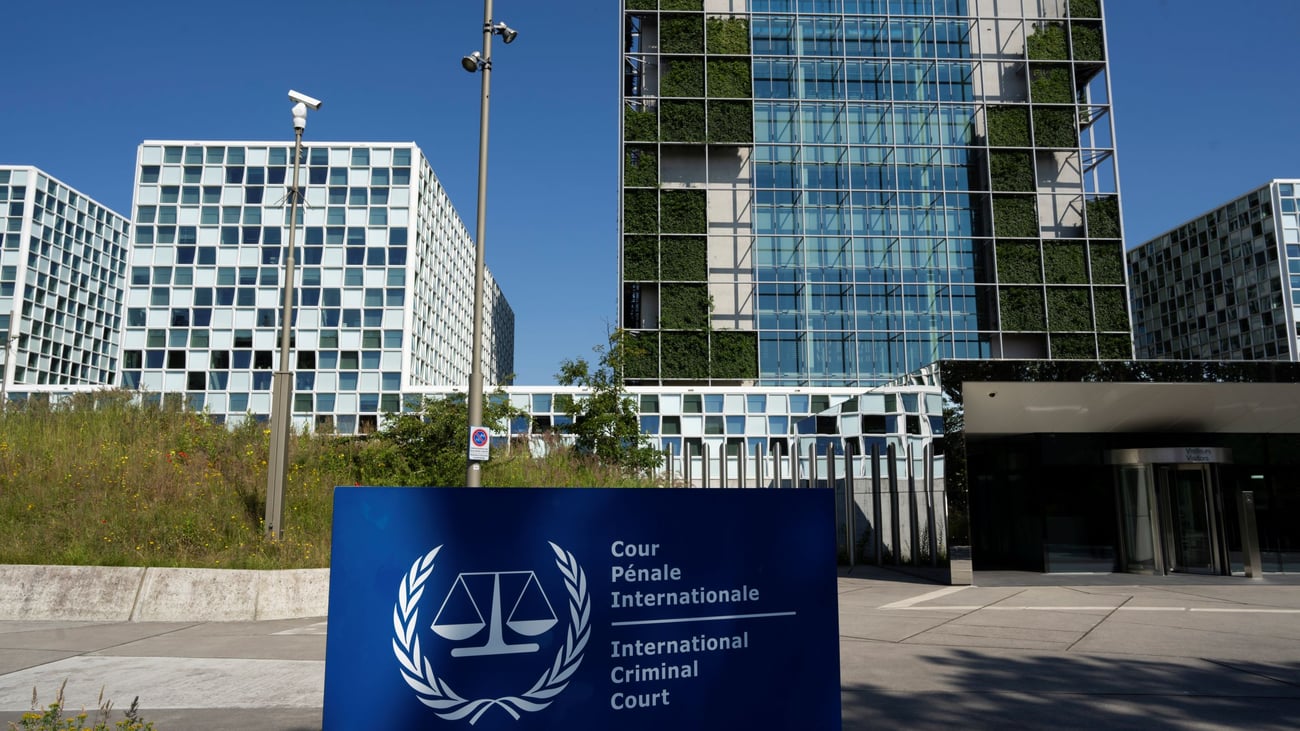
The backlash came fast. The International Criminal Court, a Hague-based tribunal that prosecutes individuals for the world’s most serious crimes like genocide and crimes against humanity, opened an investigation in 2021, zeroing in on claimed crimes committed between November 2011 and March 2019.
Duterte was arrested and handed over to the court in March 2025, then flown to The Hague, where he has remained in custody as the case moves forward. A five-day hearing in February 2026 put prosecutors’ evidence to the test, setting the stage for the trial now ahead.
Prosecutors called the decision a major milestone, saying it reflects the depth of their investigation and brings victims of suspected extrajudicial killings a step closer to justice.
“The Office of the Prosecutor reiterates its unwavering commitment to pursuing justice for victims and affected communities and will continue to take all necessary steps, in accordance with its mandate, to ensure that accountability is achieved without delay,” they said in a statement.
Paolina Massidda, Gilbert Andres and Joel Butuyan, counsel for victims in the case, also welcomed the ruling as a major step forward, saying it underscores that killings were not isolated acts but part of a broader, organized campaign that left deep and lasting scars on thousands of families.
“The confirmation of charges is a decisive step toward ensuring that those responsible are held to account before an impartial tribunal,” they said, adding that the decision pushes back against years of claims that the violence was justified or collateral.
They stressed that while the ruling does not determine guilt, it clears the way for a full trial and signals the evidence deserves to be tested in court. Victims are now looking to the next phase with determination, calling for a rigorous, fair and transparent process as the case moves ahead.
Duterte’s defense team, meanwhile, sharply rejected the ruling, with lead counsel Nick Kaufman questioning both the prosecution’s case and its witnesses.
Kaufman said the charges rely on testimony “based on the uncorroborated statements of vicious self-confessed murderers acting as cooperating witnesses,” arguing their credibility was not assessed at the confirmation stage. He added that at trial, the defense will show the claimed state policy is “a complete fiction” and the testimony “has zero weight.”
Human rights groups following the case hailed the decision as a breakthrough. Maria Elena Vignoli, senior international justice counsel at Human Rights Watch, said the ruling “opens the door to long-awaited justice for the families of ‘drug war’ victims and acknowledges their suffering,” adding that the trial “will send a powerful message that no one responsible for grave crimes is above the law.”
The case now moves to a trial chamber, where judges will set the schedule and hear the evidence in full. Defendants are generally expected to be in the courtroom, though judges will decide how Duterte takes part. He has so far skipped earlier hearings after waiving his right to attend.
The decision itself is not automatically appealable, though either side can ask for permission to challenge it. After years of investigation and months of legal wrangling, the case is now on track for trial.
Courthouse News reporter Eunseo Hong is based in the Netherlands.
Subscribe to our free newsletters
Our weekly newsletter Closing Arguments offers the latest about ongoing trials, major litigation and rulings in courthouses around the U.S. and the world, while the monthly Under the Lights dishes the legal dirt from Hollywood, sports, Big Tech and the arts.
Additional Reads
 Public support for SCOTUS slips in Trump's second term April 22, 2026