
 Search Articles


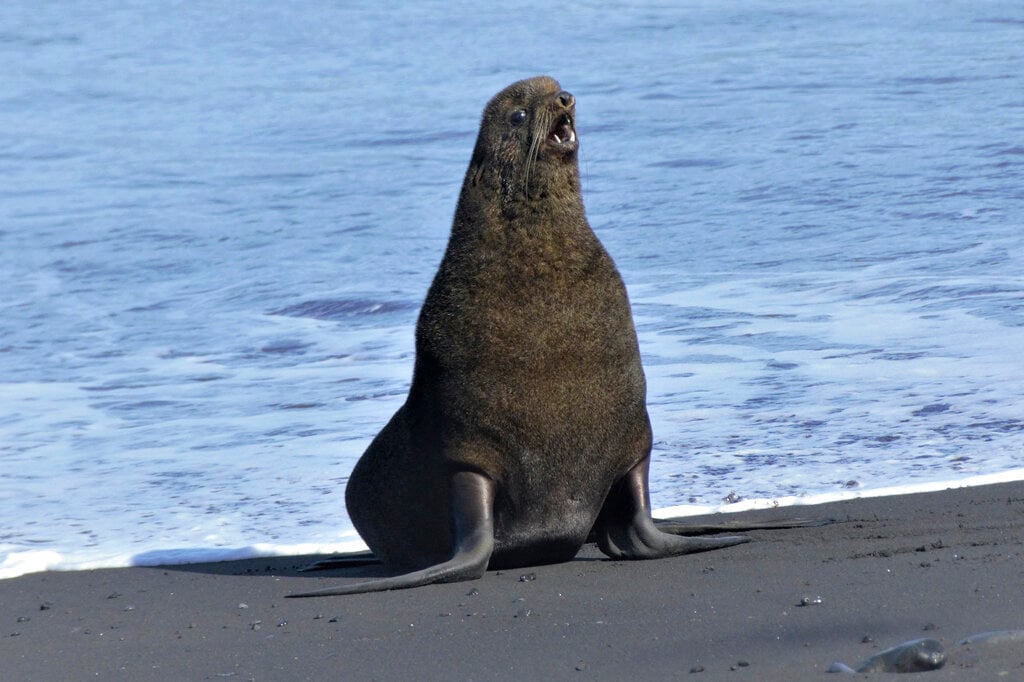
(CN) — The Center for Biological Diversity argues in a lawsuit filed Wednesday that the federal government is hurting the northern fur seals population by allowing a fishery to compete for its sustenance.
The center, in its suit filed in the District of Alaska, says northern fur seals on the Pribilof Islands have been in decline for years. It points to a commercial pollock trawl fishery as a main reason, as the seals rely on pollock for their food.
Compounding that problem is a March 10 decision by the National Marine Fisheries Service, which placed no restrictions on the fishery’s operations. That failure by the service violated a handful of federal laws, including the Fur Seal Act, the center says.
“NMFS’ authorization of the fishery without measures in place to address prey competition causes unlawful take of northern fur seals and is therefore arbitrary and capricious,” it adds.
The center asks a judge to find that the service violated the Fur Seal Act and the Administrative Procedure Act by allowing the fishery to operate in a manner that negatively affects the seals. It wants the service to perform an additional environmental impact statement on the fishery that considers information about the harm the seals face.
It also asks for a judge to stop the service from allowing fishing that hurts the seals.
“We’re asking for sensible safeguards to make sure northern fur seal mothers can find the food they need to raise healthy pups and rebuild this declining population,” said Cooper Freeman, the center’s Alaska director, in a statement. “The federal government is legally required to make sure industrial fishing doesn’t devastate this vulnerable population of seals, but it’s failed to act for decades.”
The fisheries service couldn’t immediately be reached for comment.
According to the center, the service manages fisheries in the Bering Sea and Aleutian Islands. It permits the removal of up to 2 million metric tons of pollock and other fish each year, calling the pollock trawl fishery one of the world’s biggest.
The center says the northern fur seals’ population reached its peak of over 2 million in the 1950s. Its decline began in the 1970s, dropping by over 50% by 1988.
“The decline in the northern fur seal population since the 1980s correlates with the rapid growth of the pollock trawl fishery into a major industrial fishery,” the center says.
Recent students point to the fishery competing for prey with the seals between June and October, their breeding season. The competition is both direct and indirect. The fishery removes large amounts of pollock. When it does, the pollock remaining aren’t in large schools for efficient feeding, it adds.
The result is mother seals work harder and spend longer finding food for their pups, which aren’t as healthy when they leave their colonies.
“If pups cannot survive their first year, the population declines, as fewer seals mature to breeding age and return to the breeding colony,” the center says.
The center notes that it gave the service scientific information detailing the harm the fishery causes the seals, telling the agency that its management of the fishery violates the Fur Seal Act. It asked the service to make a new environmental impact statement with an analysis of that information.
Then, on March 10, the service set the allowable catch for pollock at 1.375 million metric tons. It also said not enough information existed to show the fishery disrupted seal feeding, the center argues.
“The pollock trawl fleet doesn’t own the Bering Sea, and fisheries managers need to start safeguarding these ecologically and culturally important marine mammals,” Freeman said. “The science is clear, so we’re asking the court to make sure the agency finally takes action.”
Subscribe to our free newsletters
Our weekly newsletter Closing Arguments offers the latest about ongoing trials, major litigation and rulings in courthouses around the U.S. and the world, while the monthly Under the Lights dishes the legal dirt from Hollywood, sports, Big Tech and the arts.
Additional Reads



 Kyiv calls for Ukraine ceasefire after Iran truce April 8, 2026