Search Articles


(CN) — Environmentalists are asking the 11th Circuit to order a company to tear up a “radioactive road” in Florida they say poses a cancer risk to the public.
An attorney for the Center for Biological Diversity told a panel of judges Thursday that a one-mile test road made from phosphogypsum, a mildly radioactive byproduct of fertilizer manufacturing, should never have been approved for construction by the Environmental Protection Agency.
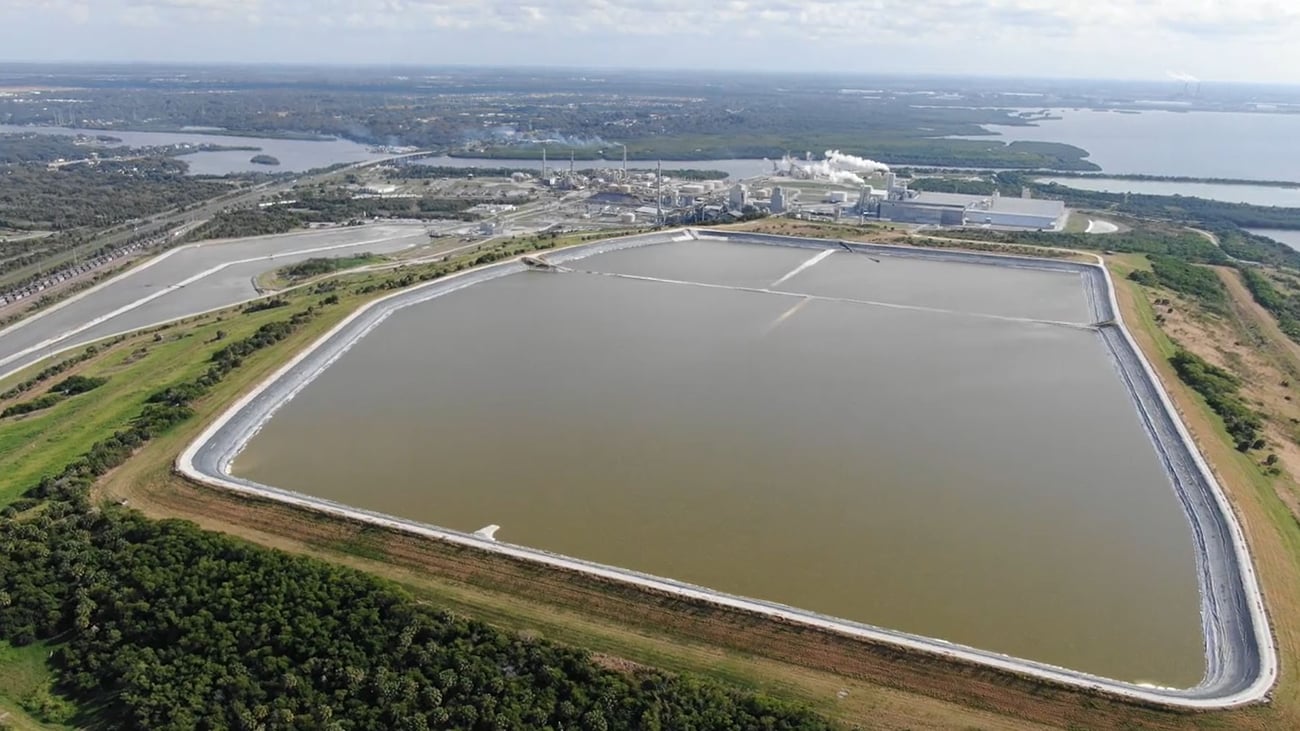
The Mosaic Company constructed the road at its facility in New Wales, about an hour southwest of Tampa, to research the effectiveness of using the material for road construction.
Environmentalists warn the pilot project, which was approved by the EPA in 2024, represents a dangerous step toward using toxic waste in road construction nationwide — a longtime goal of the fertilizer industry.
Ragan Whitlock, a Florida-based attorney for the center, told the judges Thursday that the EPA determined in 1992 phosphogypsum’s use in road construction poses an unacceptable risk to public health.
The agency could revisit that decision, Whitlock said, but it must follow the same steps it did in 1992 by initiating a formal process that provides the opportunity for public comment and judicial review.
“Essentially, the EPA said you can only store this stuff in stack systems because that is the safest way to deal with it,” Whitlock said.
Mario “Al” Luna, an attorney for the U.S. Department of Justice’s Environment and Natural Resources Division, argued the EPA conducted a three-year risk assessment before approving the project.
The agency determined that building a road at the facility, which already stored phosphogypsum, was no less safe than leaving the material in stacks, Luna said.
Phosphogypsum stacks have long been a headache for the state.
In 2016, a sinkhole opened beneath Mosaic’s phosphogypsum stack in New Wales — the same site where it built the test road — sending millions of gallons of contaminated water into Florida’s main drinking water aquifer. The company determined there were no offsite impacts from the spill.
In 2021, a reservoir breach at the troubled Piney Point, a former phosphate-processing facility in Manatee County, forced officials to discharge 215 million gallons of wastewater into Tampa Bay, causing massive fish kills. A second leak the following year released an additional 4.5 million gallons of wastewater.
The fertilizer industry has argued using phosphogypsum in road construction would reduce the risk posed by the stacks. The EPA granted the industry permission to repurpose the waste for road work during President Donald Trump’s first term in office, but the agency withdrew the rule shortly after he left office.
In an affidavit, Michael Lexner, a member of the Center for Biological Diversity who lives less than 5 miles from the New Wales facility, told the court he was concerned construction would release hazardous air pollutants.
“We’ve all been around a construction project or road project and seen the plumes of dust that get kicked up,” Whitlock said. “But we didn’t have to consider whether that dust was radioactive.”
Attorney Elisabeth S. Theodore from the D.C.-based law firm Arnold & Porter appeared on behalf of The Mosaic Company. She pointed out the road was already built so any accusations of harm from construction were moot.
“Tearing up the road, as he suggests, would only exacerbate the injury,” Theodore said. “It would cause more construction.”
U.S. Circuit Judge Robin S. Rosenbaum, a Barack Obama appointee, asked why it was not appropriate for the EPA to conduct ongoing monitoring to ensure the road did not harm nearby residents.
Theodore said the EPA planned to monitor the road for 18 months.
U.S. Circuit Judge Barbara Lagoa, a Donald Trump appointee, and Senior U.S. Circuit Judge Stanley Marcus, a Bill Clinton appointee, also served on the panel.
 Follow @SteveGarrisonPC
Subscribe to our free newsletters
Our weekly newsletter Closing Arguments offers the latest about ongoing trials, major litigation and rulings in courthouses around the U.S. and the world, while the monthly Under the Lights dishes the legal dirt from Hollywood, sports, Big Tech and the arts.