
 Search Articles


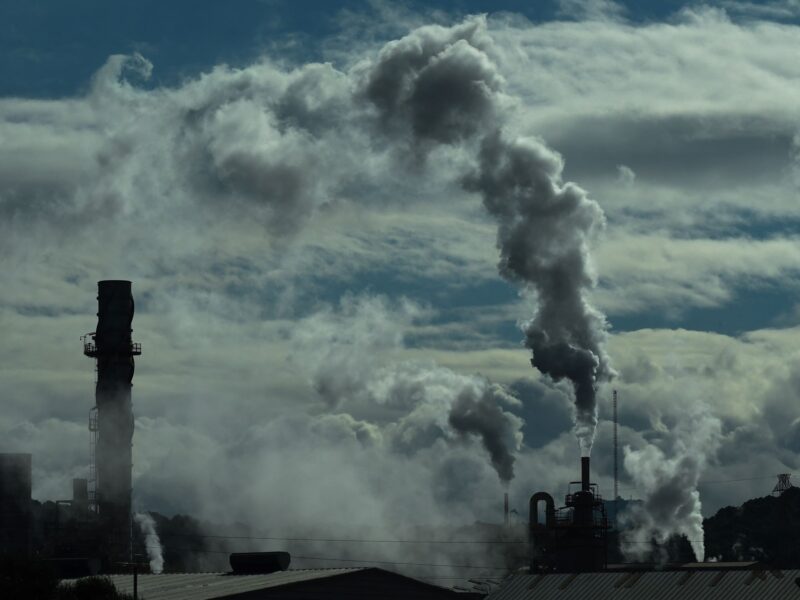
(CN) — Amid an energy crisis and industrial downturn, the mood in Europe is turning against the cornerstone of the European Union’s decarbonization efforts: Market-based rules that force the biggest polluters to pay for emitting greenhouse gases.
Even before the U.S-Israeli attack on Iran and the closing of the Strait of Hormuz, several EU nations wanted the rules relaxed or even suspended to help struggling manufacturers.
The backlash has only gained traction since the outbreak of war and the specter of an energy crisis.
Far-right Italian Prime Minister Giorgia Meloni is leading the charge against the EU’s carbon market, known as the Emissions Trading System, or ETS. Meloni, who’s long railed against EU “green follies,” wants the carbon trading system to be suspended pending an overhaul.
Meloni and her allies, including many business leaders, equate the carbon rules to a costly “tax” that makes it even harder for European companies to compete globally when rivals pay little or nothing for emitting carbons.
In its turn against ETS, Italy announced plans to compensate gas-fired power plants for the money they spend on carbon emissions. Meloni’s allies say steelmakers and chemical manufacturers face collapse if they are forced to pay for carbon emissions amid such economic turbulence.
Critics are blasting Meloni for undermining the core of the ETS system, which is designed to make it costly to pollute.
Still, Meloni’s position is hardly dominant.
A group of nations, led by Spain, has come out in support of expanding the rules further to cover new sectors, including buildings and road transport.
At a summit this week, EU leaders are expected to discuss tweaking the rules to offset rising energy costs, gird the carbon market against wild price swings and shield some companies, such as chemical manufacturers, from additional costs.
The debate over the carbon market has intensified because the European Commission, the EU’s executive branch, is in the midst of reviewing the ETS. The commission is expected to release its recommendations by July.
There seems little chance EU leaders will back Meloni’s proposal to suspend ETS rules, according to experts and policymakers.
“Anything like pausing EU ETS is very unlikely to emerge from the discussion,” Andrei Marcu, the executive director of the European Roundtable on Climate Change and Sustainable Transition, a Brussels think tank, said.
He said EU leaders would likely back undertaking a thorough and quick review of the carbon market system and “agree that the cost of the EU ETS will need to be moderated in the short term.”
The ETS, the world’s first and largest carbon market, has been in place since 2005. Under the cap-and-trade system, regulators set a limit on the total amount of greenhouse gases certain sectors are allowed to emit and polluters pay for carbon dioxide they emit. Over time, the limits on emissions are lowered, making it more expensive to pollute.
Power suppliers, heavy industry — such as steel and chemical manufacturers — aviation and the shipping industry are covered by the rules.
Those supporting the carbon market say it must not be dismantled because it is the prime driver in making companies and nations move away from fossil fuels.
The system regulates around half of the EU’s emissions and it is credited with cutting pollution in half since 2005. The ETS market was valued at more than 800 billion euros ($922 billion) in 2023.
Courthouse News reporter Cain Burdeau is based in the European Union.
 Follow @cainburdeau
Subscribe to our free newsletters
Our weekly newsletter Closing Arguments offers the latest about ongoing trials, major litigation and rulings in courthouses around the U.S. and the world, while the monthly Under the Lights dishes the legal dirt from Hollywood, sports, Big Tech and the arts.