Search Articles


LOS ANGELES (CN) — A behavioral analyst testified on Wednesday that the man accused of starting the devastating Palisades Fire in Los Angeles last year fits the profile of an arsonist who sought to take revenge on society.
A former special agent for the U.S. Bureau of Alcohol, Tobacco, Firearms and Explosives told the jury that the behavior of Jonathan Rinderknecht before, during and after the Jan. 1, 2025, fire he’s accused of igniting in the mountains above the affluent Pacific Palisades neighborhood bear all the hallmarks of somebody who was driven by anger and frustration.
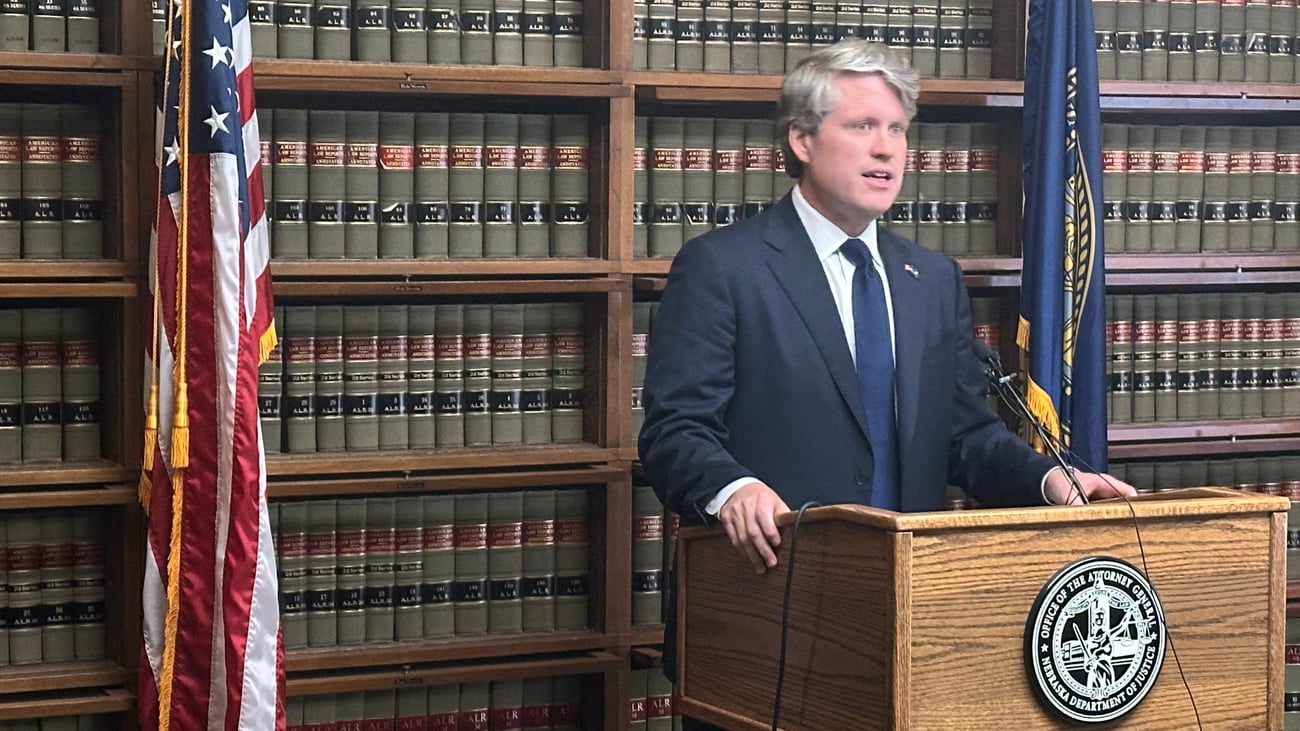
“In my opinion, the defendant set this fire for the purpose of societal revenge,” Kevin Kelm, now a private consultant, said under questioning by Assistant U.S. Attorney Danbee Kim.
Prosecutors accuse Rinderknecht, 30, of starting the so-called Lachman Fire, which was put out overnight by the LA Fire Department but continued to smolder underground among the tree roots for days. When powerful Santa Ana winds pummeled Southern California on Jan. 7, the smoldering embers were rekindled and morphed into the Palisades Fire — a massive firestorm that destroyed thousands of homes.
Kelm, an expert witness retained by the government, told the jury in downtown LA that, based on ChatGPT interactions and witness testimony, Rinderknecht couldn’t cope with stressors in his life such as financial and relationship problems. At the same time, he was fixated on political and social issues like wealth disparity that enraged him without being able to do anything about them.
“He tends to collect grievances,” Kelm said. “It’s always somebody else’s fault.”
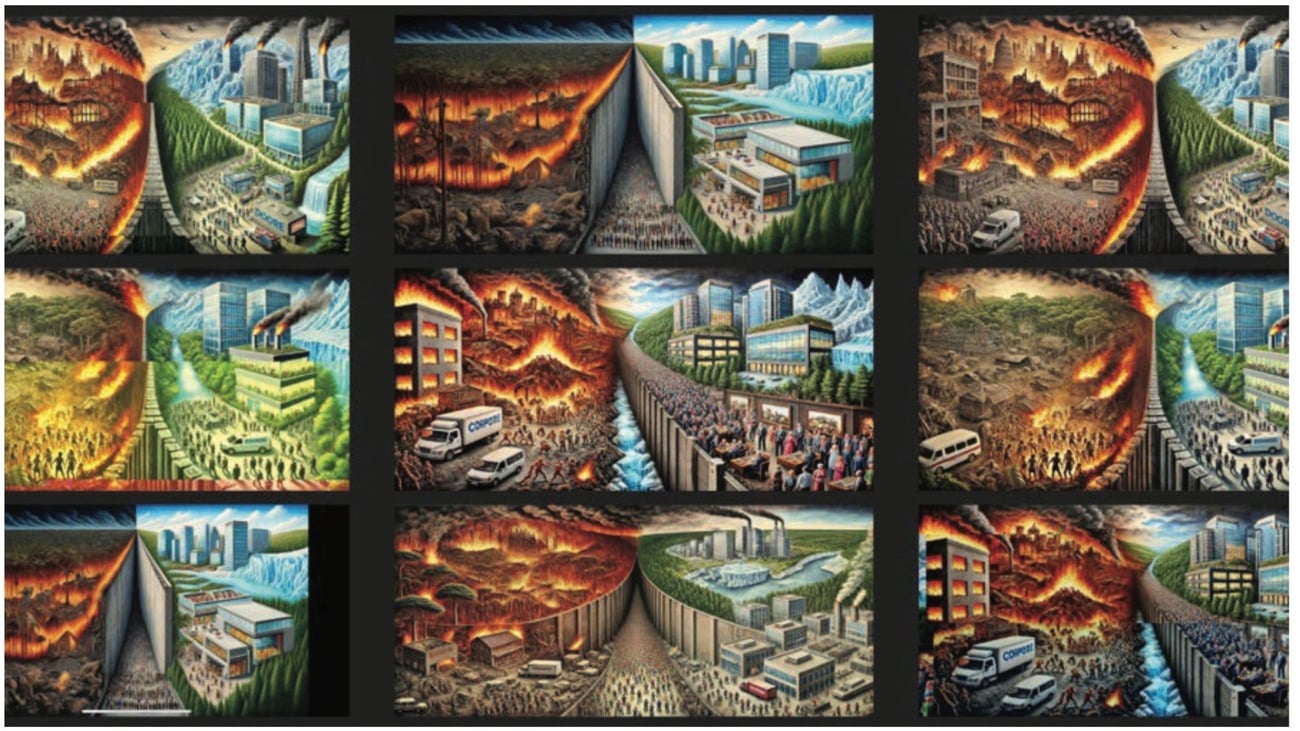
The criminologist also noted the dystopian images Rinderknecht prompted ChatGPT to create in July 2024 with a wall separating the wealthy enjoying their lives from the rest of the people fleeing for their lives from burning forests. In particular, Kelm pointed out Rinderknecht’s increasing frustration and anger in his prompts as the AI chatbot wasn’t creating the exact images he had in mind.
“The people are running away from the fire," Rinderknecht argued with ChatGPT, according to prosecutors. “Where do you see people running away from the fire in this fucking picture? Goddamn, you’re such a fucking idiot. On the far left, the forest is burning.”
Rinderknecht was driving for Uber on New Year’s Eve, and his passengers told law enforcement he appeared angry and upset. According to prosecutors, he had been rebuffed or ignored by several former acquaintances and had no one to celebrate the holiday with.
After he dropped off a passenger in the Pacific Palisades around 11:30 p.m. that night, he drove to a trailhead close to the house where he had been living a few years prior with his ex-boyfriend. He hiked up to a clearance above the nearby houses and, according to prosecutors, lit a fire in the dry vegetation with a Bic grill lighter.
After the fire erupted shortly after midnight, Rinderknecht repeatedly called 911 to report, but because of the poor cell reception on the hillside, he didn’t get through to an operator until he had descended down the trial to where he had parked his car.
Kelm told the jury that the 911 calls, as well as Rinderknecht using his iPhone to record himself dialing 911, were indications he was “staging the scene” to make it appear he was trying to help authorities rather than acting as a suspect.
Under cross-examination by Steven Haney, Rinderknecht’s attorney, Kelm conceded that he had never come across an arsonist who called 911 at least 17 times, as the suspect did. He did note, however, that most of those calls didn’t go through because Rinderknecht had no reception when he was up the hillside.
Moreover, after he made the 911 calls and drove away, Rinderknecht turned around and followed the fire engines back up to where the fire was spreading. He took multiple videos of the fire and even sent some to a co-worker who didn’t recall who he was and why he sent her the footage, which Kelm testified indicates a level of excitement that is often part of an arsonist’s behavior.
“It’s totally unnecessary,” he told the jurors.
Rinderknecht faces as long as 45 years in prison if he’s found guilty on all three counts he’s charged with: destruction of property by means of fire, arson affecting property used in interstate commerce and timber set afire.
U.S. District Judge Anne Hwang, a Joe Biden appointee, has largely barred the defense from arguing that the Los Angeles Fire Department should bear responsibility for failing to fully extinguish the initial Lachman Fire.
It will be up to the government, however, to persuade the jury that the Palisades Fire was a holdover from the Lachman Fire and that, under a “but for” theory of causation, the blaze would not have occurred if Rinderknecht had not ignited the initial fire.
 Follow @edpettersson
Subscribe to our free newsletters
Our weekly newsletter Closing Arguments offers the latest about ongoing trials, major litigation and rulings in courthouses around the U.S. and the world, while the monthly Under the Lights dishes the legal dirt from Hollywood, sports, Big Tech and the arts.