
 Search Articles


BRUSSELS (AFP) — Digital titans including Facebook and TikTok formally pledged to ramp up the fight against disinformation in the EU, Brussels said on Thursday, just days after the new U.S. administration condemned the bloc’s online content rules.
Missing from the list of 42 platforms — including those owned by Google, Meta and Microsoft — who committed to a strengthened code of conduct was tech billionaire Elon Musk’s social media platform X.
Musk withdrew his platform — then known as Twitter — from the original code in May 2023 and he has repeatedly railed against the European Union’s content moderation rules known as the Digital Services Act.
The act forces all digital firms to police content online and tackle the spread of mis- and disinformation. The EU has been probing X under the act since December 2023, including its efforts to combat disinformation on the platform.
The law is at the center of growing tensions between American big tech and the new U.S. administration on one side, and the EU on the other.
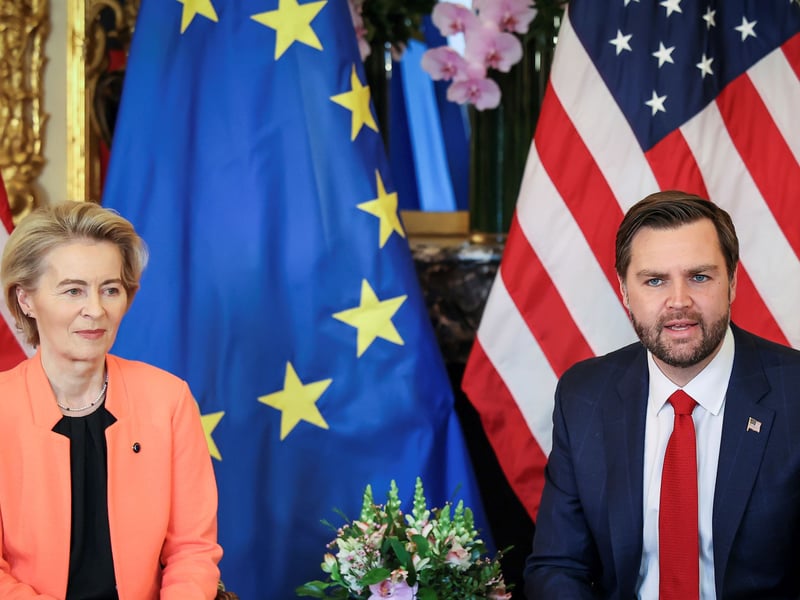
U.S. Vice President JD Vance slammed the act during his speech on Tuesday at the AI summit in Paris, saying it was not up to national capitals to “prevent a grown man or woman from accessing an opinion that the government thinks is misinformation.”
The EU has refused to comment on Vance’s remarks.
But announcing the formalization of the code of conduct under the rules, EU tech chief Henna Virkkunen said “Europeans deserve a safe online space where they can navigate without being manipulated.”
This “is an important milestone in stepping up the EU’s regulatory framework in the fight against disinformation. I will engage with the signatories to ensure there are effective efforts to protect democratic processes,” she added in a statement.
The code will serve as a “meaningful benchmark for determining DSA compliance” when it applies from July, the European Commission said.
For example, the EU believes fact-checking is an effective form of content moderation and it is included in the code, but it does not force companies to do it.
Meta remains part of the code despite its CEO Mark Zuckerberg aligning himself with the new White House and slamming EU rules as “censorship” in January as he announced a halt to U.S. fact-checking operations for its Facebook and Instagram platforms.
An EU official admitted that if Meta wanted to withdraw from its commitments under the code, “we cannot force them to stay.”
The official stressed that simply signing the code did not amount to a “presumption of innocence” and that platforms had to implement effective measures to fight disinformation.
The code was also signed by Adobe, LinkedIn, Twitch, Vimeo and YouTube.
—
By Agence France-Presse
Subscribe to our free newsletters
Our weekly newsletter Closing Arguments offers the latest about ongoing trials, major litigation and rulings in courthouses around the U.S. and the world, while the monthly Under the Lights dishes the legal dirt from Hollywood, sports, Big Tech and the arts.