
 Search Articles


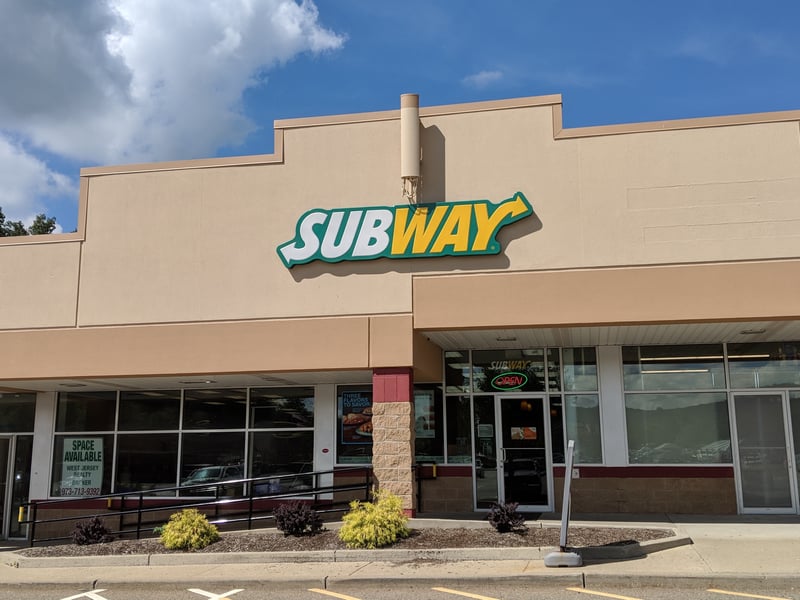
(CN) — The infamous and highly entertaining tuna fish lawsuit filed against the Subway chain of sandwich shops is officially dead, after a federal judge on Thursday signed off on the plaintiff’s motion to dismiss the complaint with prejudice, meaning it cannot be refiled.
U.S. District Judge Jon Tigar also heard oral arguments on Subway’s motion to sanction the plaintiff’s attorneys, and force them to pay more the more than $600,000 legal bill that the sandwich chain has incurred fighting the suit, which drew national attention.
The federal class action, filed in 2020 by Karen Dhanowa and Nilima Amin, accused Subway of serving up a mysterious non-tuna substance in their popular tuna fish sandwiches.
“In truth, the products do not contain tuna as ingredient. On the contrary, the filling in the products has no scintilla of tuna at all. In fact, the products entirely lack any trace of tuna as a component, let alone the main or predominant ingredient,” the plaintiffs said in their complaint. “When a reasonable consumer sees a sandwich or wrap labeled as ’tuna,’ he or she reasonably expects that the food product will indeed contain tuna.”
The claims caused a stir. Subway is the second-largest fast food chain in the world, with more than 37,000 locations — only McDonald’s has more — in more than 100 countries and territories. Its stores are as ubiquitous as Starbucks coffee shops; its employees unironically known as “sandwich artists.”
The New York Times published a deep-dive investigation into the substance of Subway’s fish, in a story titled “The Big Tuna Sandwich Mystery.” The outlet concluded, after nearly 3,000 words, that “no amplifiable tuna DNA was present” in the tuna samples it collected and sent to a lab. Which meant either Subway’s tuna was simply not tuna or that the tuna was “so heavily processed that whatever we could pull out, we couldn’t make an identification.”
An investigation by the television show Inside Edition was more forgiving. It took three samples and sent them to a lab; all three tested positive for tuna.
Subway’s lawyer Mark Goodman explained at Thursday’s hearing that Subway’s fish is “processed at a very high temperature, so that its DNA is denatured.” Merriam-Webster defines denature as “to deprive of natural qualities,” or “to modify the molecular structure of (something, such as a protein or DNA) especially by heat, acid, alkali, or ultraviolet radiation so as to destroy or diminish some of the original properties and especially the specific biological activity.”
Goodman added: “You can go to every store shelf in California, and look at the cans of tuna. All of that tuna has been processed at a very high heat. When they do that, it denatures the protein.”
Judge Tigar had dismissed the first version of the tuna suit on something of a technicality, finding that the plaintiffs had failed to describe specific statements they relied on before buying their tuna sandwiches, though he allowed them to refile a new version of the suit. A second version of the suit survived a motion to dismiss, but was significantly pared down by Tigar, who threw out Dhanowa’s claims because she had never even purchased a tuna sandwich from Subway.
Amin filed a third version of the suit last July, in which she no longer charged the sandwich chain’s tuna sandwiches of being entirely bereft of tuna, but of being “not 100% tuna.”
“It is self-evidence that a food item labeled as being ’tuna’ should not contain any other fish species, animal species, or miscellaneous products not otherwise identified or marketed as being included in the ’tuna’ food item,” Amin said in the latest complaint.
Then in April Amin filed a motion to dismiss the suit, on the grounds that she was pregnant with her third child. The pregnancy, she said in the motion, had “triggered severe morning sickness” and caused other “debilitating conditions.” She initially asked the suit to be dismissed without prejudice, which would have given her the option of refiling it at another time, but in a later brief, she changed her mind and agreed to dismiss it with prejudice.
Subway then filed a motion seeking sanctions against the plaintiffs and their lawyers, seeking to recover more than $600,000 in their own attorneys fees for defending what they called a “lawyer-driven lawsuit.”
“We knew they didn’t have any evidence,” Goodman told the court on Thursday. “We provided evidence to them. And they ignored all that. And that’s not OK. That’s not what a plaintiff is supposed to do — you’re supposed to do due diligence.”
He later added: “If these claims weren’t baseless, they wouldn’t have dismissed the case just because their client got pregnant.”
Plaintiff’s attorney Jeffrey Lamb was surprisingly contrite when he talked about how the case had been handled.
“I’m embarrassed at some of the lawyering in this case,” Lamb said. “If I could do things over, I would change that.” He added: “I apologize that this is how this case came to an end.”
Nonetheless, he said the lawsuit “was never frivolous, and was never lacking in merit.” He argued that the original testing performed on the tuna by the plaintiffs, PCR testing, was based on the best available information they had at the time. They later performed a more sophisticated DNA test on the fish, which yielded the same results.
“We continued to try to improve the technology, so we could maintain we had a good-faith basis for doing this,” Lamb said. He also said that the plaintiffs had found evidence that there were “issues with the chain of custody” of the tuna.
“Reasonable minds would be able to differ whether that tuna, whether those bags made it into California stores,”
Judge Tigar did not rule on the motion for sanctions, and made it clear that he was sympathetic to both sides on the issue.
“If I handed out attorney’s fees in every case where the lawyering wasn’t up to my standard, my calendar would be full of sanctions hearings,” he said, but added: “If I was Subway, I would have a lot of strong negative emotions about the trajectory in this case. Some of the costs were unnecessary.”
He also revealed: “I happen to like tuna.”
In a written statement posted to the company’s website, a Subway spokesperson said: “Subway serves 100% real, wild-caught tuna. The lawsuit and the plaintiff’s meritless claims, which have always lacked any supporting evidence, resulted in the spread of harmful misinformation and caused damage to Subway franchisees and the brand. We are pleased with the court’s decision to dismiss the case.”
 Follow @hillelaron
Subscribe to our free newsletters
Our weekly newsletter Closing Arguments offers the latest about ongoing trials, major litigation and rulings in courthouses around the U.S. and the world, while the monthly Under the Lights dishes the legal dirt from Hollywood, sports, Big Tech and the arts.