Search Articles


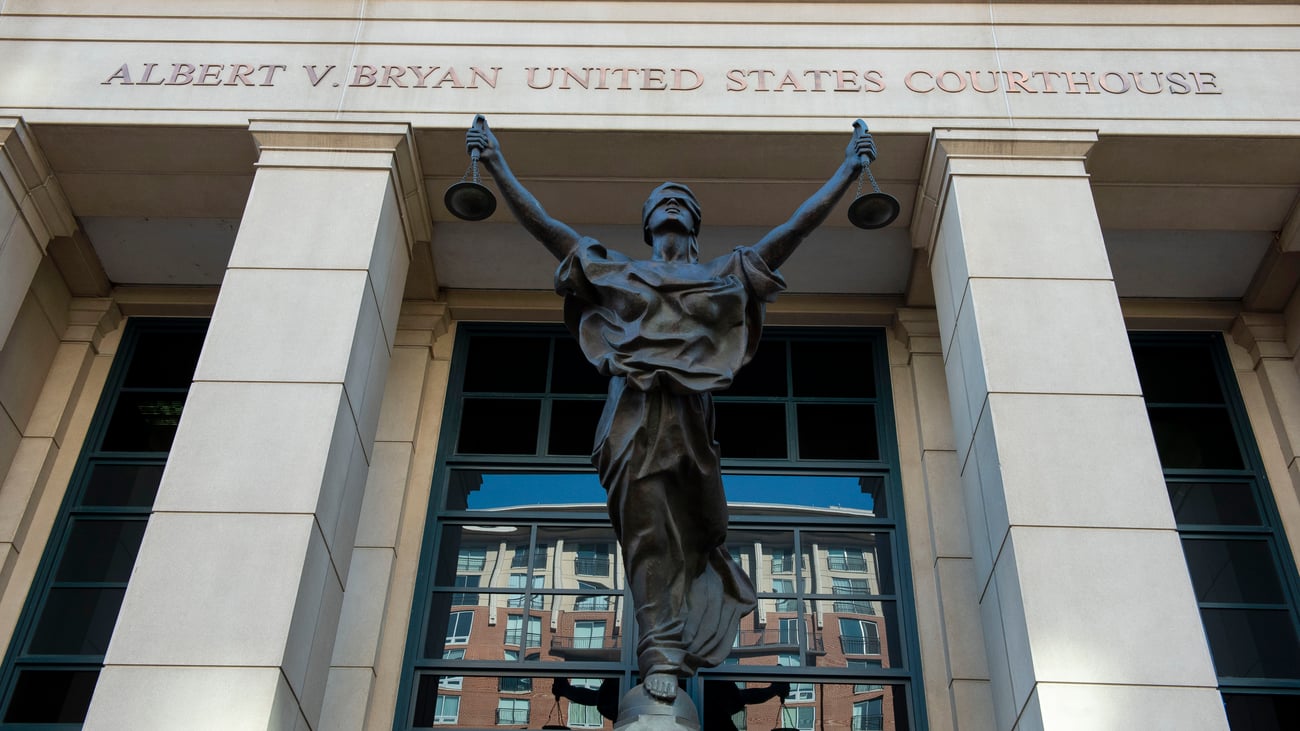
ALEXANDRIA, Va. (CN) — A pregnant woman has agreed to return to Ghana after advocates say customs officers coerced her into deportation.
That woman, Anabella Gyasi, arrived on a valid visa seeking medical treatment for her disabled 4-year-old son. But according to her attorneys, customs officers detained them for a week in a windowless room and denied them adequate food.
U.S. District Court Judge Leonie Brinkema on Friday said that Gyasi should not spend another night in that room. She also said the Ghanaian woman had been clear about her wishes.
“She wants to go home,” Brinkema said. In a one-page order, the Bill Clinton appointee dismissed the case as moot, noting that according to the federal government, Gyasi and her son “can fly to Ghana tonight.”
In a press release, the ACLU had connected the dots between the Trump administration’s birthright citizenship policy and Gyasi’s case. President Donald Trump has sought to undo longstanding constitutional precedent, which holds that with rare exceptions, anyone born in the United States is a citizen.
According to the ACLU, that has led to “abuses of pregnant women and children in Department of Homeland Security custody.” They cited another case, where they said a pregnant woman was “left alone without water or medical assistance for over 24 hours while she miscarried.”
Gyasi “is just one of a number of pregnant people who’ve been detained in shocking numbers in the wake of President Trump’s executive order trying to end birthright citizenship,” Sophia Gregg, ACLU Virginia’s senior immigrants’ rights attorney, said in the news release. “It has to stop.”
Gyasi sought surgical care for her son, who was born with severe physical deformities affecting both hands.
She arrived at Dulles International Airport in Virginia on May 19 and was destined for an appointment at Akron Children’s Hospital in Ohio, the ACLU stated in court documents. They say Gyasi also disclosed “her fear of returning to Ghana based on the persecution she and her son faced.”
It wasn’t Gyasi’s first such trip. Two years ago, she brought the boy to the United States in search of medical treatment but was told he was too young.
Arriving on this trip, they were detained for seven days by Customs and Border Protection in a windowless room with a single bed, a toilet and a sink. Gyasi, who is more than four months pregnant, experienced vaginal bleeding and was taken to the hospital twice, the ACLU says in court documents.
Lawyers for the ACLU claim Gyasi and her son were denied adequate food until she agreed to be deported.
Five days into the ordeal, Gyasi’s son “spent much of the day crying because of his hunger pain, and Ms. Gyasi was in constant fear of fainting,” the ACLU said in its news release. “Because of her concern for her unborn child, Ms. Gyasi told the officers she would prefer to be deported than denied food.”
U.S. Customs and Border Protection “has put Ms. Gyasi in an impossible position: either risk her own [life] and the life of her unborn child to improve her young son’s life, or return home to ensure safe conditions for her pregnancy but unsafe conditions for her son,” Eden Heilman, legal director for ACLU Virginia, said in the statement. “No parent should ever be expected to make a choice like that.”
After Gyasi agreed to deportation, the ACLU says she was told she could have all the food she wanted, as well as a shower.
Gregg informed border agents that Gyasi and her son did not wish to relinquish their asylum claims. In court documents, Gregg says “Gyasi had agreed to be deported out of desperation for the health and wellbeing” of her son and unborn child.
ACLU attorneys wanted to secure the release of Gyasi and her son so that they could continue seeking medical care. The attorneys had also asked for a stay of removal from the country until their case could be heard. But on Friday, an ACLU spokesperson said the pair was preparing to return to Ghana that night.
Subscribe to our free newsletters
Our weekly newsletter Closing Arguments offers the latest about ongoing trials, major litigation and rulings in courthouses around the U.S. and the world, while the monthly Under the Lights dishes the legal dirt from Hollywood, sports, Big Tech and the arts.