
 Search Articles


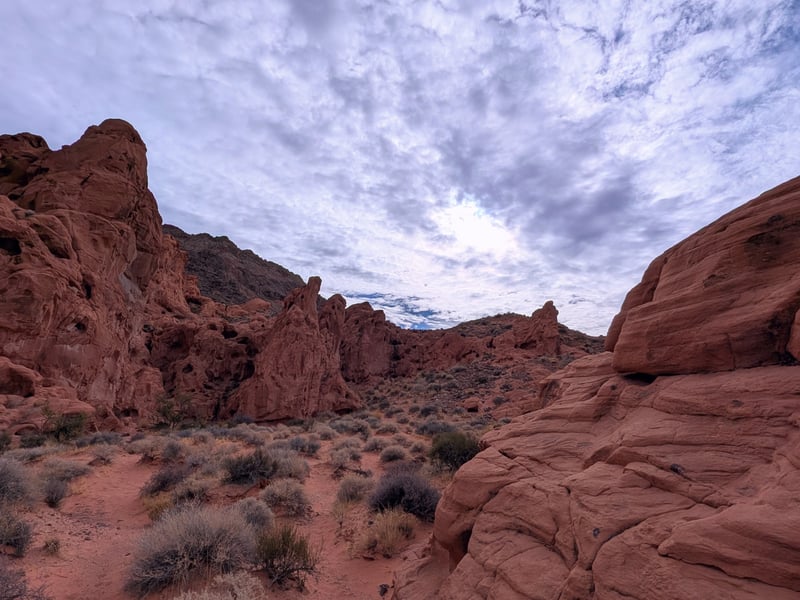
LAS VEGAS (CN) — A federal prosecutor on Tuesday told jurors during opening statements that the damage of ancient rock formations in Nevada’s Lake Mead National Recreation Area was a “willful effort” by the two men accused of the crime.
Wyatt Clifford Fain and Payden David Guy Cosper, cousins who are both from Henderson, Nevada, face one count each of injury and depredation of government property, and aiding and abetting. Prosecutors have said the men in April 2024 pushed large parts of a rock formation over a cliff’s edge. The rocks struck the ground below in the Redstone Dune Trail area, with damages exceeding $1,000.
If convicted, the men face up to 10 years’ incarceration. Their trial, which began Tuesday before U.S. District Judge Jennifer Dorsey in Las Vegas, is expected to last three days.
The men pleaded not guilty.
Skyler Pearson, assistant U.S. attorney, called the accusations “deliberate destruction gone viral” in his opening statement.
“You’ve seen the defendant’s destruction,” Pearson said. “It was not done by mistake, but by willful effort.”
Defense attorney Brian Pugh, representing Fain, said he didn’t dispute the rock was government property. However, he told jurors that the government must prove the men acted willfully.
Ross Goodman, Cosper’s defense attorney, said the accusations weren’t a general-intent crime.
That type of crime requires only the act itself. A specific-intent crime means a perpetrator had a purpose in mind and places a higher burden on the prosecution.
“The government must prove something more specific regarding the crime,” Pugh said.
According to court filings by the men, the government’s case hinges on the rocks’ value. A felony conviction requires that the damages exceed $1,000. They men have said that estimate rests on one person’s projections, who has valued the damage at between $2,524 and $45,984.
However, the government didn’t preserve the evidence, which violates the men’s due process rights, they argued in a motion to dismiss.
“The government failed to preserve the rock fragments which constitute the primary evidence in this case,” Fain argued in his motion, which his cousin later joined into. “The rock fragments play not just a ‘significant role’ in Mr. Fain’s defense, but the principal role, and no other comparable evidence exists as a sufficient substitute.”
The preservation of those rock fragments would have given a defense expert access to them, and they could have told a jury there were no fossil tracks in them. That evidence would have bolstered the men’s case and undermined the government’s monetary estimate, the defendant’s argued.
Dorsey in a ruling last month called the contention “meritless,” denying their motion to dismiss.
The judge ruled that the men failed to show how evidence from the rocks would have helped their case. A defense expert already determined that there likely were no fossil tracks in the area. The defendants didn’t explain how preserving those fragments would have helped the expert.
Also, the government’s decision against collecting any fragments wasn’t done in bad faith, the judge ruled. She said the defendant’s argument that it was similar to police examining fingerprints at a homicide scene, then losing the evidence before the defense could see it “a somewhat absurd suggestion.” Instead, the judge said it was more akin to someone being accused of breaking a window, and the police opting to remove the window from the wall and not preserve it.
“I cannot conclude based on the information provided by the defendants that the government knew it should have collected this type of evidence but chose not to in order to deprive the defendants of exculpatory evidence,” Dorsey wrote at the time.
The trial continues Wednesday and is expected to last for only a few days.
Subscribe to our free newsletters
Our weekly newsletter Closing Arguments offers the latest about ongoing trials, major litigation and rulings in courthouses around the U.S. and the world, while the monthly Under the Lights dishes the legal dirt from Hollywood, sports, Big Tech and the arts.