
 Search Articles


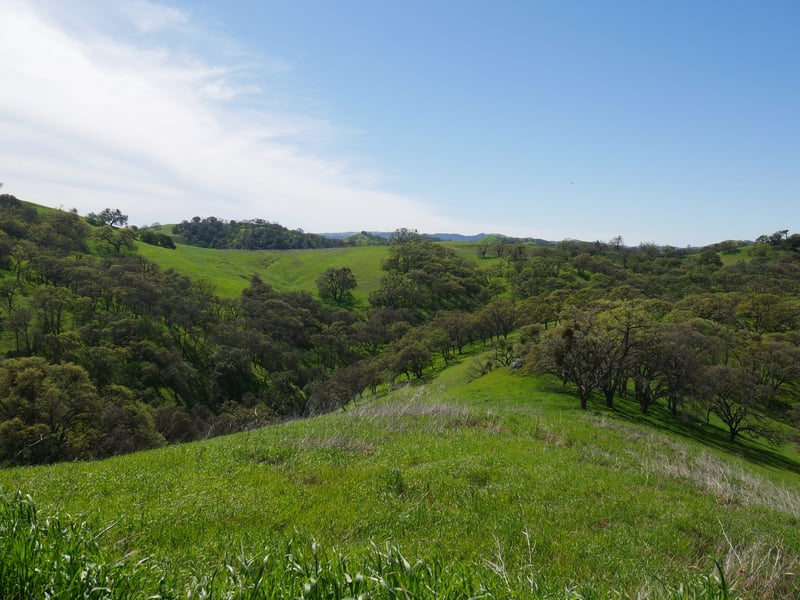
(CN) — The U.S. Bureau of Land Management on Monday formally released documents detailing plans to allow oil and gas drilling on 1 million acres of public land across southern California while downplaying the environmental impact of the development.
“The draft supplemental environmental impact statement concludes that emissions from oil and gas development are minor and are not expected to significantly affect regional air quality or public health,” government officials from the Bakersfield Field Office Oil and Gas Leasing and Development wrote in the 89-page report.
In the report, the agency attributes less than 1% of regional air pollutants to oil and gas, instead pointing to wildfires, cars and agriculture for generating unnamed emissions.
The Bakersfield field office seeks to lease out 416,515 acres of surface land and 1.2 million acres of underground mineral estate in Fresno, Kern, Kings, Madera, San Luis Obispo, Santa Barbara, Tulare and Ventura, California. Similar proposals from the Central Coast field office would lease out 284 acres of surface land and 9,000 acres of underground mineral estate.
The proposals seek to open oil and gas leasing in the Golden State’s Pinnacles National Park, Mount Diablo State Park, Henry W. Coe State Park and Black Diamond Mines Regional Preserve.
Under the proposal, Lost Hills, Buena Vista, Bakersfield and Sespe are targeted for new hydraulic fracturing, or fracking.
The Center for Biological Diversity sued the federal agency over similar proposals during the first Trump administration, reaching a settlement agreement in 2022, in which the government agreed to halt development pending an updated environmental review.
Looking back to the original project proposals published more than a decade ago, Victoria Bogdan Tejeda, an attorney at the Center for Biological Diversity, said “a lot has changed since then, and based on climate science, we don’t think that there should be any new federal fossil fuel leasing, and the environmental reviews now have to take into account updated climate science and updated information about groundwater use and pollution harms to communities.”
Despite being part of the settlement agreement, the new impact report analyzed no new alternatives beyond the original five proposed more than a decade ago in the government’s 2012 Hydraulic Fracturing Environmental Impact Statement. Tejeda, who drafted comments asking the government to consider several different limitations on leases, called the most recent proposals “inadequate.”
“Broadly, I think this is a step back to essentially act as if we’re in 2014 and 2019 with these planning decisions, and that leasing land for fossil fuel development is okay and that it doesn’t matter," Tejeda said. “That feels like that is going back in time and that it ignores all the science that we’ve had since then.”
In addition to ignoring recent scientific developments, Tejeda said the current federal leasing proposal ignores state laws, including a 2022 setback limit requiring drilling to be at least 3,200 feet from homes and schools.
“At the state level, California has made significant moves to curb dangerous oil and gas drilling, including banning fracking, and recent laws to speed oil well cleanup, affirm local governments’ ability to ban or limit oil and gas operations, and a historic health-and-safety buffer between communities and oil and gas sites,” Tejeda said.
The agency also downplayed in the report the environmental impact on several native species, including San Joaquin kit foxes, giant kangaroo rats, burrowing owls, California condor and the California jewel flower, acknowledging that only monarch butterflies would be harmed by drilling.
Tejeda said the center will participate in public comments and review the final leasing proposal, expected to be published this summer.
 Follow @bright_lamp
Subscribe to our free newsletters
Our weekly newsletter Closing Arguments offers the latest about ongoing trials, major litigation and rulings in courthouses around the U.S. and the world, while the monthly Under the Lights dishes the legal dirt from Hollywood, sports, Big Tech and the arts.