
 Search Articles


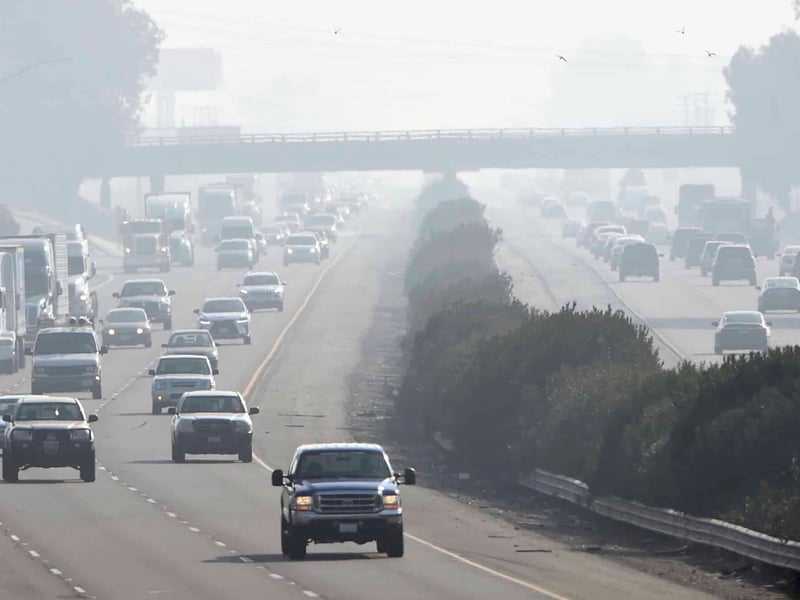
(CN) — The National Highway Traffic Safety Administration on Friday proposed new standards for fuel efficiency, changes the agency says would improve energy conservation and lower the nation’s dependence on foreign oil.
The proposed fuel economy and fuel efficiency standards vary depending on the type of vehicle. Passenger cars would have a 2% per year improvement in their fuel efficiency. Light trucks would have a 4% per year improvement. This would start for model year 2027 and go through 2032 with plans for an average fleet fuel economy of 58 miles per gallon by the final year.
Additionally, the proposal calls for a 10% improvement per year for commercial pickup trucks and work vans — weighing between 8,500 and 14,000 pounds — from model year 2030 through 2035.
If the proposal is finalized as announced, it would save people over $50 billion on fuel over vehicle lifetime; reduce the nation’s oil dependance by over 88 billion gallons of gas through 2050; and prevent over 900 million tons of carbon dioxide emissions. That’s like removing over 233 million vehicles from the roads from 2022 through 2050, the agency said in a statement.
A 60-day comment period is scheduled to begin once the proposal is published in the Federal Register. During this period, the agency intends to work with interested parties including consumers, environmental groups, unions, automakers and states.
“Better vehicle fuel efficiency means more money in Americans’ pockets and stronger energy security for the entire nation,” U.S. Transportation Secretary Pete Buttigieg said in a release.
Dan Becker, director of the Center for Biological Diversity’s Safe Climate Transport Campaign, said automakers have many cheap and efficient technologies they won’t use unless the government requires efficiency and cuts to pollution.
“While this rule, requiring 58 mpg fuel efficiency in 2032, doesn’t knock our socks off, it does help tackle the ‘truckification’ of the fleet with stronger standards for SUVs and pickups than cars,” Becker said in a statement. “It should be much stronger to meet the National Highway Traffic Safety Administration’s duty to set the maximum feasible gas-efficiency standards.
The proposed standards both complement and align with the Environmental Protection Agency’s recent emissions standards proposal for vehicle fleets. The highway transportation administration, under the auspices of the U.S. Department of Transportation, will work with the EPA to ensure standard effectiveness while minimizing costs.
The proposed rules set goals that match Congress’ efforts to conserve fuel and promote the nation’s energy independence and its automobile manufacturing. While the agency didn’t take electric and other fuels into account when making its proposal, manufacturers can use all technologies — internal combustion engines, hybrid and electric — to achieve compliance.
And the proposal supports the Biden Administration’s plan to cut costs by reducing greenhouse gas emissions and air pollution in areas near highways and other heavily used roads, which are disproportionately low-income communities of color. As the lowest-income households spend almost 20% of their income on fuel — three times what the average U.S. household spends — the proposal reinforces the White House’s commitment toward environmental justice.
“(Corporate Average Fuel Economy) standards have driven the auto industry to innovate in improving fuel economy in ways that benefit our nation and all Americans,” said Ann Carlson, acting administrator of the traffic safety administration. “The new standards we’re proposing today would advance our energy security, reduce harmful emissions, and save families and business owners money at the pump. That’s good news for everyone.”
Subscribe to our free newsletters
Our weekly newsletter Closing Arguments offers the latest about ongoing trials, major litigation and rulings in courthouses around the U.S. and the world, while the monthly Under the Lights dishes the legal dirt from Hollywood, sports, Big Tech and the arts.