
 Search Articles


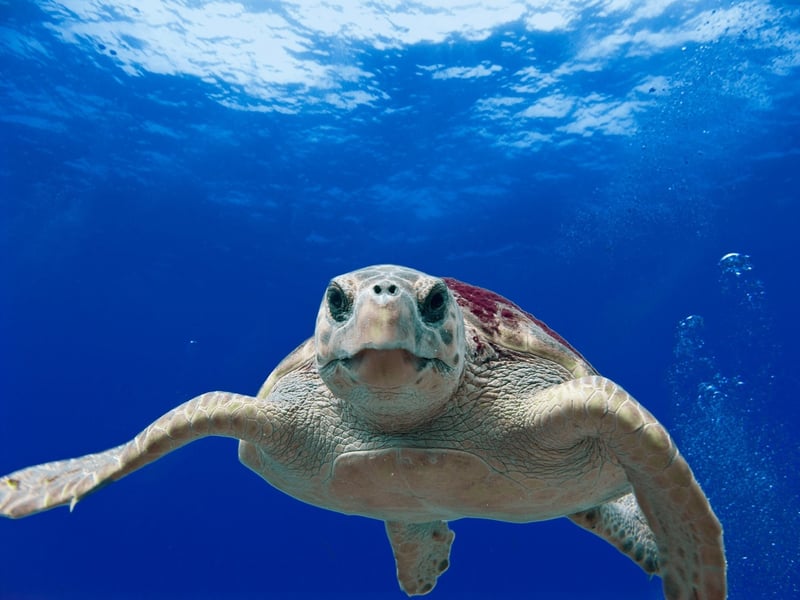
SAN DIEGO (CN) — After temporarily prohibiting large-mesh drift gillnet fishing to protect migrating threatened loggerhead sea turtles in waters off the coast of Southern California in May, the National Oceanic and Atmospheric Administration Fisheries announced that they will reopen the area for commercial fishing in August.
The agency says in an announcement set to be released on Thursday that the sea surface temperatures off the West Coast — in an area stretching from Point Conception in Santa Barbara County to the U.S.-Mexico border in San Diego County called the Southern California Bight — has returned to normal or below normal, and El Niño conditions are no longer present.
“The CPC report on June 13, 2024, indicated a transition from El Niño to ENSO—neutral/La Nina Watch conditions based on cooler SSTs observed and a forecasted continued cooling trend in the Pacific Ocean,” the agency said in the announcement, using an acronym for sea surface temperatures.
The area’s water is now cooler, so the loggerhead turtles, which live further south, but migrate a lot, are less likely to migrate into the area — meaning they’re less likely to get entangled in fishing nets, said Nicholas Rahaim, spokesperson for the West Coast region of NOAA Fisheries.
The federal agency announced an initial prohibition on large-mesh drift gillnet fishing at the end of May in the area between June and August after officials determined that El Niño weather conditions were happening off the coast of Southern California.
Large-mesh drift gillnets, miles-long nets used commercially to catch fish, can inadvertently catch other sea creatures like whales, dolphins, sharks and turtles.
Most large-mesh drift gillnet fishing starts on August 15, the agency says. One fishing vessel is currently in the area outside the conservation area, but the agency anticipates that up to seven might start fishing in August.
Loggerhead sea turtles are listed as threatened under the Endangered Species Act. While loss of nesting habitat through climate change is thought to be a major factor in their decline, incidental capture through fishing is another significant threat on their populations.
“NOAA’s hasty, short-sighted decision to reopen the loggerhead conservation area will invite destruction of these magnificent turtles just trying to find food in the midst of climate chaos,” wrote Catherine Kilduff, a senior attorney at the Center for Biological Diversity, in a press release. “The agency has been doing a poor job of monitoring what these mile-long gillnets are actually catching and it doesn’t have enough information to know that fishing is safe for endangered loggerheads.”
In May, the center sent a letter to NOAA requesting they close the area to large-mesh drift gillnet fishing because warmer sea surface temperatures caused by El Niño, leads to more pelagic red crabs in the area, which draws loggerhead turtles.
Once the turtles migrate to an area with large-mesh drift gillnet fishing, they risk getting entangled in the miles-long nets that can extend 200 feet below the ocean surface, and ultimately drowning, Kilduff adds.
The increasing frequency and strength of El Niño conditions is the result of climate change, she adds.
In 2022, President Joe Biden signed the Driftnet Modernization and Bycatch Reduction Act as part of a $1.7 trillion federal omnibus spending bill. The act will phase out the use of large-mesh drift gillnets.
Even before that, in 2018, the California Legislature passed a bill to stop allowing large-mesh drift gillnets by 2024. That law only applies to state waters up to three miles off the coast, whereas the temporary NOAA restrictions covered federal waters from three to 12 miles offshore.
Subscribe to our free newsletters
Our weekly newsletter Closing Arguments offers the latest about ongoing trials, major litigation and rulings in courthouses around the U.S. and the world, while the monthly Under the Lights dishes the legal dirt from Hollywood, sports, Big Tech and the arts.