Search Articles


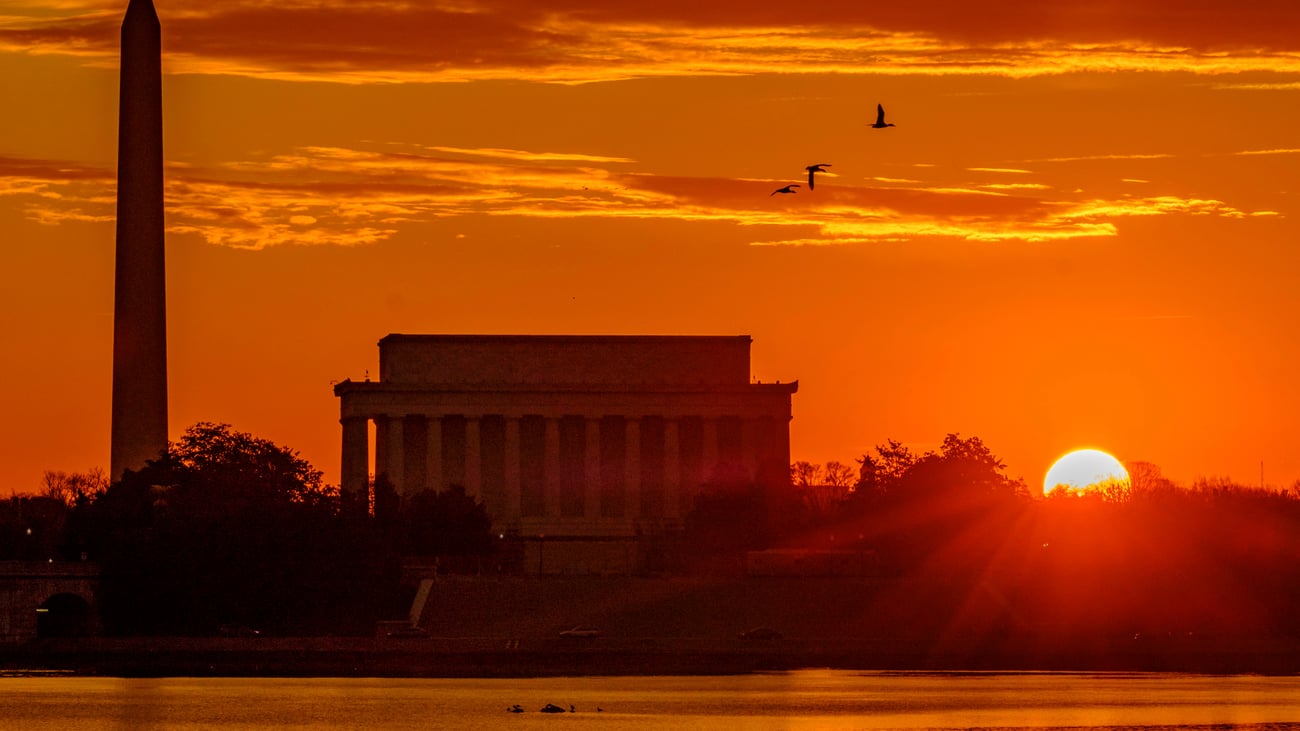
WASHINGTON (CN) — The Justice Department sued the District of Columbia and its Water and Sewer Authority on Monday, claiming years of neglect resulted in a major 54-mile sewage pipe bursting in January and dumping over 200 million gallons of raw sewage into the Potomac river.
The Justice Department’s Environment and Natural Resources Division filed the lawsuit in the U.S. District Court for the District of Columbia and argued the District had violated the Clean Water Act by failing to maintain the Potomac Interceptor pipe and ignoring clear signs of corrosion over several years.
“DC Water must maintain the Potomac Interceptor and other wastewater treatment infrastructure in good working order as a condition of its Clean Water Act permit,” the Justice Department wrote. “After decades of use and years of neglect, including at least eight years of DC Water knowing about severe corrosion requiring immediate repair, a section of the Potomac Interceptor known by DC Water to be severely corroded catastrophically failed.”
The Justice Department is requesting a federal judge block DC Water from discharging pollutants into the river, take steps to redress or mitigate the break’s impact and develop an “Enhanced Operations and Maintenance Plan” for all its sewer lines. It is further seeking civil penalties, to be determined by the court, for violations of the Clean Water Act and its discharge permit.
The lawsuit comes a week after environmental advocacy group American Rivers named the Potomac the most endangered river in the United States in its yearly list. According to the group, the Potomac faces threats from both aging infrastructure like the Interceptor and from the “rapid, unchecked buildout of data centers” along its shores.
On Jan. 19, the pipeline collapsed where it passes through the Chesapeake & Ohio Canal National Historic Park in Montgomery County, Maryland.
Over the next four days, DC Water crews installed diversion pumps to reroute the wastewater around the collapsed section. On Jan. 24, DC Water used a portion of the canal to contain the bypassed flow of sewage until it could reenter the Interceptor past the collapsed portion.
According to the DOJ, the diversion pumps periodically clogged, requiring paused service and cleaning. On Feb. 8, such clogs caused by rags and wipes resulted in approximately 500,000 gallons of sewage being discharged into the Potomac.
Between Jan. 29 and Feb. 9, approximately 1.5 million gallons of sewage had been discharged in total.
On Feb. 15, DC Water added larger pumps that were more resistant to clogging and added necessary redundancy.
However, following the pipe’s breaking, DC Water left sludge and sewage on the ground, leading stormwater to wash it into the Potomac, the DOJ claims. Further, sewage leaked from the ceiling and side walls of an historic stone culvert, Rock Run, that feeds into the Chesapeake & Ohio Canal.
On Feb. 20, President Donald Trump declared the spill a federal emergency, allowing the Environmental Protection Agency to take over mitigation efforts.
On March 14, DC Water was able to return flow to the Interceptor and end its diversion of sewage into the canal.
The break caused Maryland’s government to issue an emergency closure of the Upper Potomac River for shellfish harvesting and advise the public to avoid eating fish, shellfish or any wildlife from the river.
In a statement, DC Water said it is “fully committed to the long-term rehabilitation” of the Potomac Interceptor. The utility said it would renew requests to the National Park Service to streamline an environmental review for the pipe to allow rehabilitation efforts to advance quickly.
Further, DC Water said it was working to accelerate the rehabilitation of over 2,700 linear feet of pipeline that was scheduled for improvements before the break.
“Initial environmental remediation efforts are also nearly complete, with ongoing water quality testing showing that downstream conditions have returned to normal and have remained stable for several months,” the agency said. “In addition, recent resting results continue to indicate low bacteria levels near the site of the break.”
In a statement, Principal Deputy Assistant Attorney General Adam Gustafson said the lawsuit was intended to ensure the Water and Sewage authority commits to proper maintenance of the pipeline.
“DC Water’s failure to maintain the Potomac Interceptor resulted in raw sewage flowing into the Potomac river and the surrounding environment, poising a direct risk to public health,” Gustafson said. “As cities grow and infrastructure ages, cities must invest in their wastewater system to prevent such catastrophes.”
 Follow @Ryan_Knappy
Subscribe to our free newsletters
Our weekly newsletter Closing Arguments offers the latest about ongoing trials, major litigation and rulings in courthouses around the U.S. and the world, while the monthly Under the Lights dishes the legal dirt from Hollywood, sports, Big Tech and the arts.