Search Articles


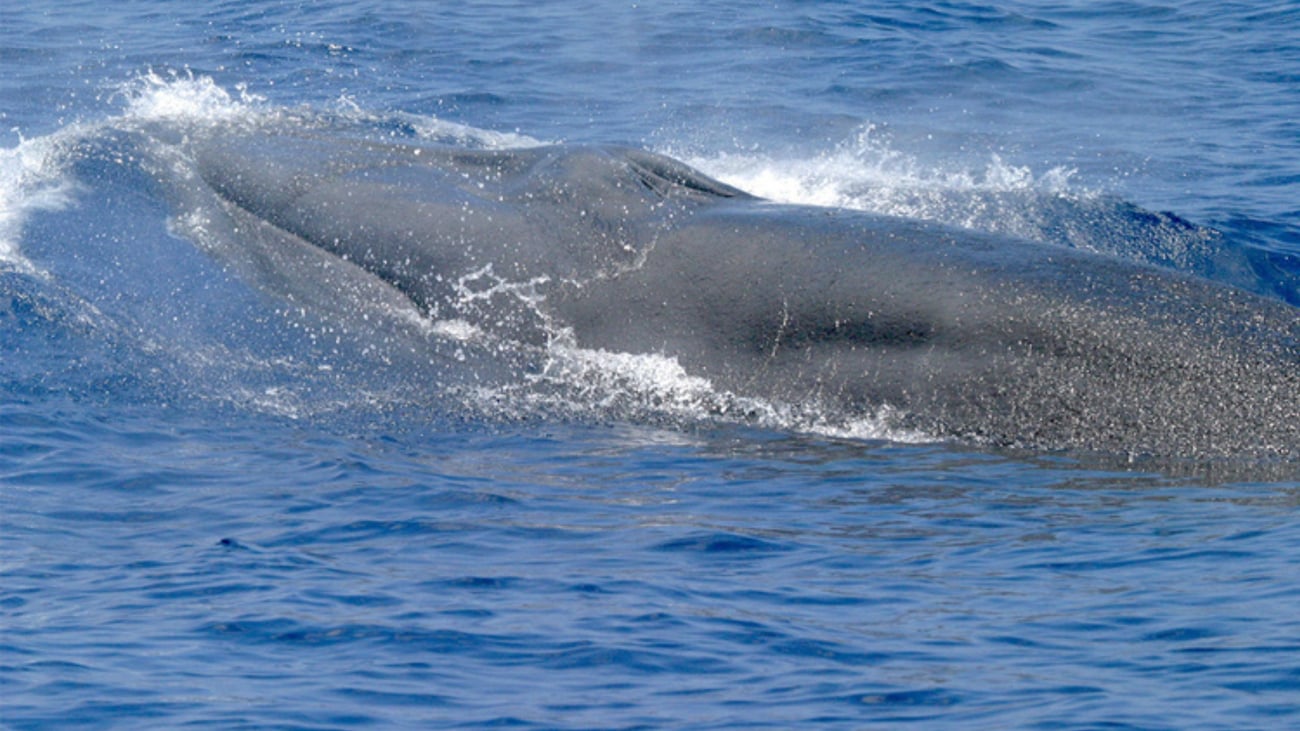
WASHINGTON (CN) — A coalition of environmental groups sued the Trump administration on Wednesday challenging the Interior Department’s Endangered Species Committee for lifting restrictions on oil and gas tanker movement in the Gulf of Mexico, a move the coalition warns will drive a critically endangered whale to extinction.
The committee — commonly referred to as the “God Squad” or the “Extinction committee” — voted unanimously in March to lift the restrictions at its first meeting in 35 years, as a way to secure domestic oil production amid the ongoing Iran war and calling it necessary due to a “national security emergency.”
Led by the National Wildlife Federation, the coalition sued in the D.C. Circuit Court of Appeals seeking review of the committee’s decision due to the significant danger increased oil tanker movement would pose to the Rice’s whale.
Other at-risk species in the Gulf include several species of sea turtles, the Gulf sturgeon, the West Indian manatee, numerous migratory bird species, the sperm whale and several species of beach mice with highly limited ranges.
According to the National Oceanic and Atmospheric Administration, there are less than 100 Rice’s whales remaining, one of the rarest whale species in the world. The most recent estimates from 2018 indicate there are approximately 50 left.
An updated population estimate will use sighting data collected during surveys in 2023 and 2024, although the committee’s meeting would quickly make that information outdated, the center argues.
Karla Raettig, chief advocacy office of the National Wildlife Federation, said in a statement that the committee’s decision was a “casual use” of the Endangered Species Act’s emergency powers and must be reversed.
“The Endangered Species Committee’s decision was not only illegal, but also a false choice between abundant, affordable energy and thriving wildlife,” Raettig said. “Wildlife like the Rice’s whale and Kemp’s Ridley sea turtles are a part of our shared heritage and worth fighting for.”
The federation is joined by the National Parks Conservation Association, Florida Wildlife Federation, Louisiana Wildlife Federation, Texas Conservation Alliance and the Southern Environmental Law Center.
According to the coalition, the committee’s meeting and decision were illegal because it failed to comply with the legal requirements under the Endangered Species Act, including providing notice about the specific exemptions sought and the relevant agency actions that would be exempted.
In this case, the Bureau of Ocean Energy Management and the Bureau of Safety and Environmental Enforcement were exempted from the transit restrictions in the gulf, which required tankers to travel at a certain speed and monitor wildlife activity meant to prevent ship strikes.
The committee was created in 1978 to allow agencies to request exemptions from the statute’s requirements under rare and extremely narrow circumstances. Since the committee’s creation, there have been just three exemption applications, with one denied and two granted. Another three exemption applications were filed but abandoned.
The lawsuit is the latest challenge seeking to halt the Trump administration’s efforts to increase oil tanker activity in the gulf.
On March 18, the Center for Biological Diversity sued in the U.S. District Court for the District of Columbia in an effort to block the meeting entirely.
U.S. District Judge Rudolph Contreras, a Barack Obama appointee, denied the environmental organization’s motion for a temporary restraining order, finding it could not show the meeting itself amounted to a final agency action he could block.
The organization has since amended its lawsuit to challenge the committee’s decision.
Since his return to office, President Donald Trump has moved to expand oil drilling in the Gulf of Mexico.
On March 16, the Trump administration approved a deep drilling project 250 miles off the Louisiana coast.
In the Center for Biological Diversity’s lawsuit, it noted that the 2010 Deepwater Horizon explosion was caused by similar “risky drilling” and resulted in a massive oil spill throughout the Gulf and a 22% decline in the Rice’s whale population.
Last year, the Trump administration moved to open up large swaths of the eastern Gulf to oil and gas drilling, including areas off the southwest Florida coast that have been under a drilling moratorium due to risks to the coastal Everglades.
The coalition cited a 2024 poll by the Business and Economics Polling Initiative at Florida Atlantic University and the National Parks Conservation Association that showed 85% of Floridians agree the 10 National Parks sites around the Gulf should be protected from the oil drilling and mining.
The Interior Department did not respond to a request for comment.
 Follow @Ryan_Knappy
Subscribe to our free newsletters
Our weekly newsletter Closing Arguments offers the latest about ongoing trials, major litigation and rulings in courthouses around the U.S. and the world, while the monthly Under the Lights dishes the legal dirt from Hollywood, sports, Big Tech and the arts.
Additional Reads

 California bill would ban cellphones in schools April 15, 2026