Search Articles


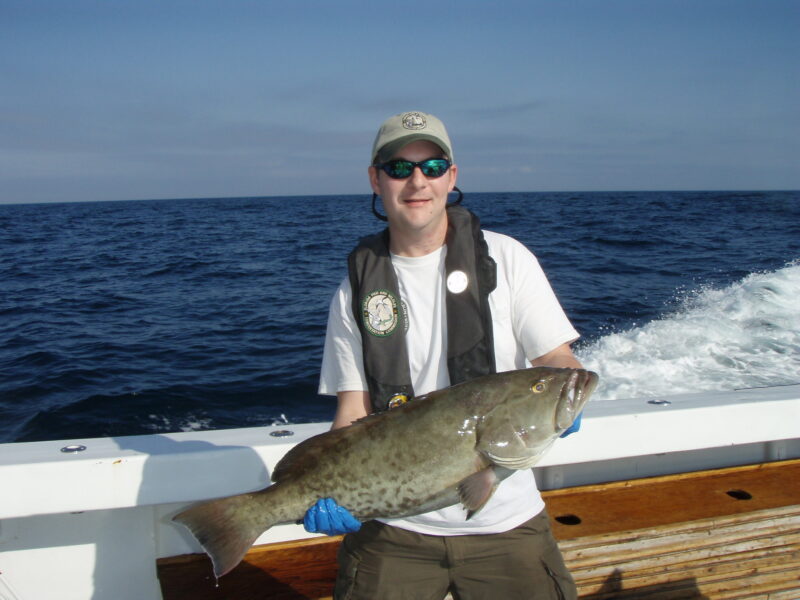
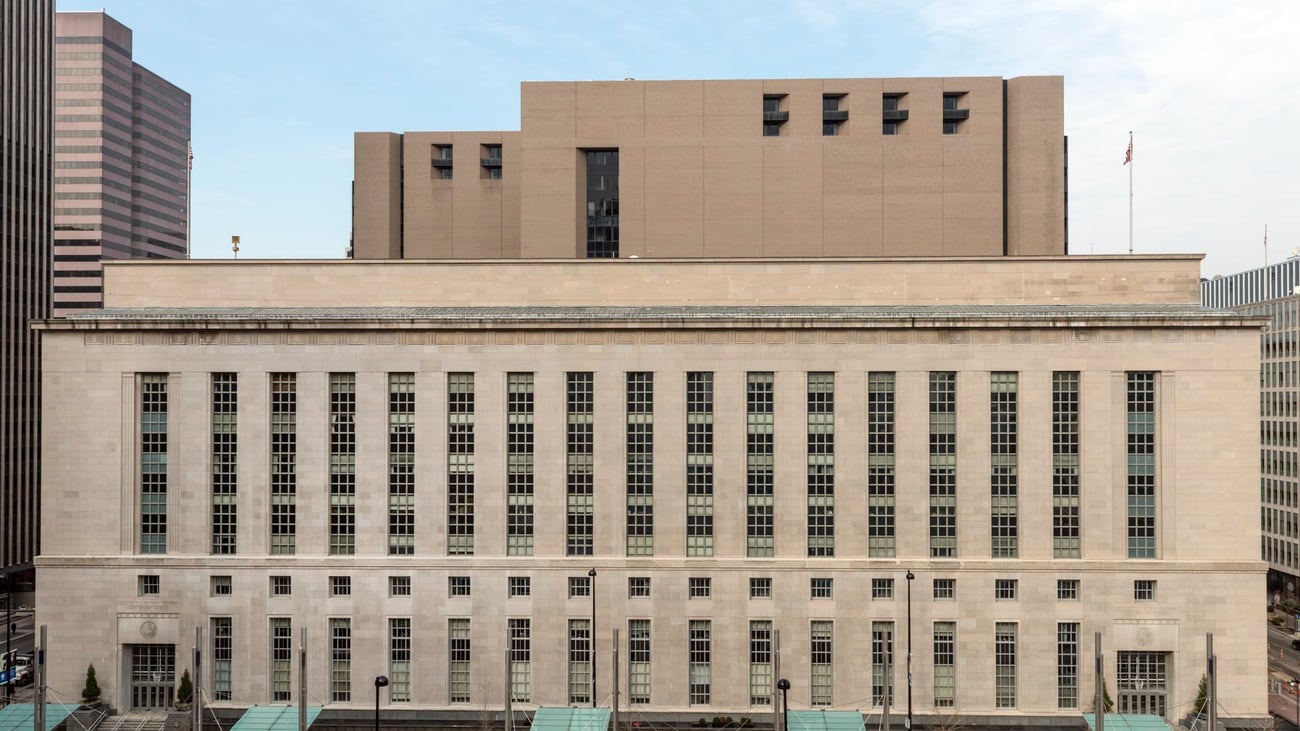
ATLANTA (CN) — Two Florida-based fishermen asked the 11th Circuit Thursday to strike down a regulation limiting commercially caught gag grouper, arguing a regional fishery management council did not have the constitutional authority to implement the restrictions.
In 2024, Dominick and James Russo, who own FFC Seafood in Sarasota, Florida, sued the U.S. Department of Commerce and the National Marine Fisheries in Alabama federal court over Amendment 56. The Gulf of Mexico Fishery Management Council — a regional body made up of state-level appointees — crafted the rule, which cut quotas for gag group by 85%. The federal agencies approved and promulgated the regulation.
The 1976 Magnuson-Stevens Fishery Conservation and Management Act created eight regional fishery councils responsible for submitting management plans to the commerce secretary to set catch limits and prevent overfishing in federal waters. The statute gives the councils, made up of members appointed at the state level, the power to veto certain decisions by the secretary that change catch limits or reject the councils’ management plans.
The brothers contend that despite exercising “significant” federal control of the fisheries, the members of the council are not appointed by the president or confirmed by the Senate, making their decisions unconstitutional under the appointments clause of the U.S. Constitution.
Last year, a federal judge declined to vacate Amendment 56, but did rule the fisheries council cannot use “pocket vetoes,” which allow the council to reject certain federal fishing amendments and plans brought by the National Marine Fisheries. Both parties appealed.
On Thursday, the Russos’ attorney Michael Poon argued the secretary of commerce’s authority takes a backseat to the regional fishery council.
“The council wrote Amendment 56, and the secretary simply decided that it was lawful,” said Poon of the Pacific Legal Foundation. “But the council members weren’t properly appointed or removable.”
“We see over and over again that Congress is trying to give regional officials power over regional fisheries,” Poon said. “And you can retain that purpose by simply requiring they be properly appointed.”
U.S. Circuit Judge Andrew Brasher questioned that premise.
“How would they retain their regional character if they were appointed by the president and confirmed by the Senate?” Brasher, a Donald Trump appointee, asked.
Poon pointed to the blue slip process used for judges, in which the two senators of a state must approve or disapprove a presidential judicial nominee.
Chief U.S. Circuit Judge William Pryor laughed.
“Oh, great, that sounds lovely for everybody,” the George W. Bush appointee said. “More blue slips and more opportunities for disfunction in the Senate.”
“Your honor, the appointments clause was not made for efficiency,” Poon retorted. “It was made for accountability.”
Pryor also expressed doubt that the council had full authority over fishery decisions.
“You have a rule that was effectively adopted by the assistant secretary, the delegated official at the end of the day, and notwithstanding whatever role the council played up to that, a legitimate officer did that, right?” the judge asked.
“Your honor, I think that’s like saying because the president signs legislation that it doesn’t really matter what happened in Congress, and that’s what we have here,” Poon responded. “The council wrote the rule and the secretary gets an up or down.”
He pointed to court documents that show the assistant secretary of commerce received the amendment from the council and approved it four hours later.
“This is the independent review that we’re talking about,” Poon said.
Pryor pushed back.
“That doesn’t mean, you know, ‘Oh gosh, I never heard of this, let me look at this for the first time,’” Pryor said. “That’s not the way the world works.”
Daniel Halainen, representing the government, defended the council’s role in managing the country’s fisheries.
“We’ve always construed their recommendations as advisory,” Halainen said.
“How do we know that?” Pryor asked.
“I don’t think we repeat our sort of general view that it’s advisory whenever we promulgate a rule, but I think in practice that is how the agency functions,” said Halainen.
“We’re totally comfortable with the court saying that the council’s role is advisory,” the Justice Department attorney continued. “If the court were to say the secretary has total discretion to approve or disapprove these plans and is not limited by anything that the council submits, we’re totally comfortable with that because it aligns with our view already.”
A court decision in that vein, Halainen said, would still mean the gag grouper regulation was consistent with federal statutes.
U.S. Circuit Judge Jill Pryor, a Barack Obama appointee, joined Brasher and Pryor on the appellate panel. The judges did not indicate when they would make a decision.
 Follow @alexbpickett
Subscribe to our free newsletters
Our weekly newsletter Closing Arguments offers the latest about ongoing trials, major litigation and rulings in courthouses around the U.S. and the world, while the monthly Under the Lights dishes the legal dirt from Hollywood, sports, Big Tech and the arts.