Search Articles


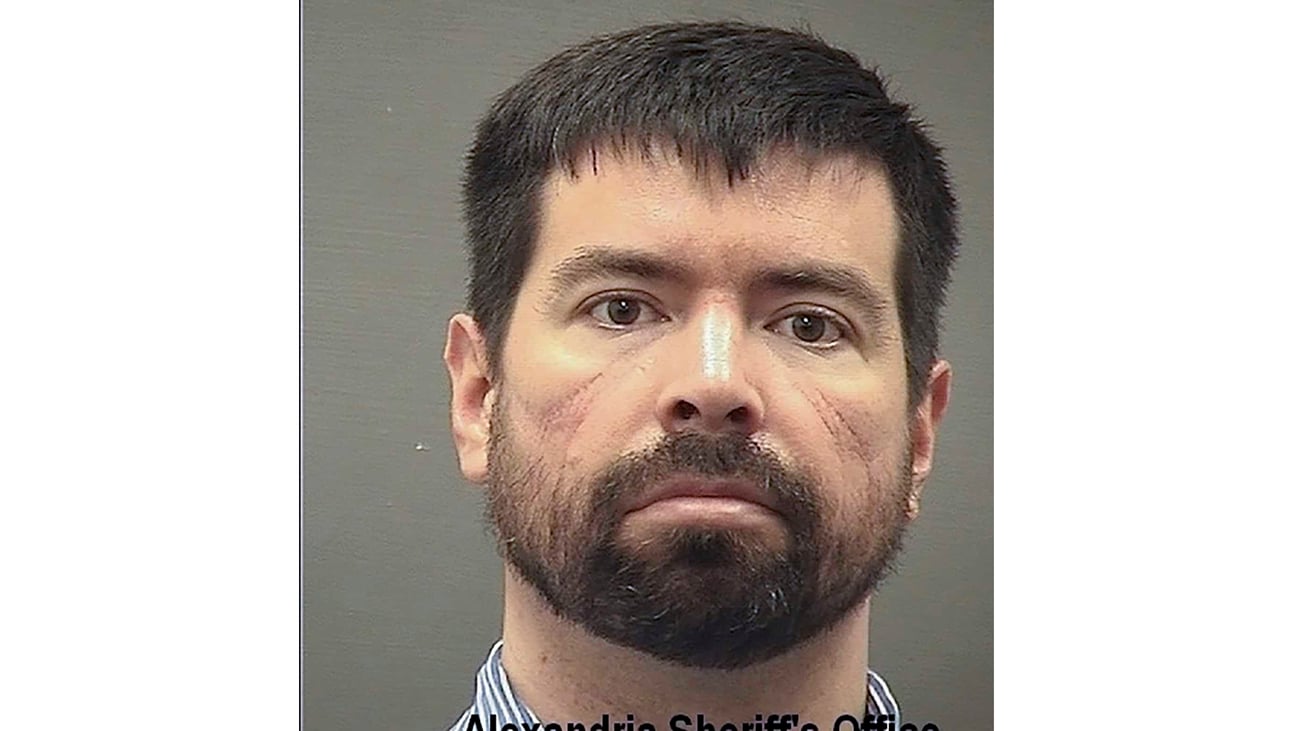
RICHMOND, Va. (CN) —The Fourth Circuit affirmed on Tuesday the unregistered firearms device charges of a man convicted in the Jan. 6, 2021, Capitol attack, ruling that Hatchet Speed’s solvent traps functioned as silencers.
A trial court in Alexandria, Virginia, sentenced Speed — an Adolf Hitler-admiring Navy veteran and member of the Proud Boys, a far-right extremist group — to three years in prison under the National Firearms Act for possession of three devices the government argued were unregistered silencer devices in 2023. A lower court rejected Speed’s attempt at a new trial.
The devices were three solvent traps, firearm cleaning tools intended to catch solvent residue, which Speed told an undercover FBI informant could be converted into silencers by drilling holes in them.
U.S. Circuit Judge Marvin Quattlebaum, a Donald Trump appointee writing for the panel, refused to weigh in on Speed’s contention that the Second Amendment protects possession of silencers.
Speed argued that the devices aren’t silencers until modified and that the National Firearms Act is void for vagueness as applied to him. Quattlebaum rejected the notion that the act required unregistered silencers to operate.
“Had Congress intended to cover only devices currently operating as silencers, it could easily have included such language,” Quattlebaum said. “But it did not.”
Quattlebaum also agreed with the lower court’s decision to rule out a statement Speed made to the informant that Speed argued would establish his innocent intent.
“Once you drill a hole in the end without filling out the Form 1 [required to register silencers], you’re a felon,” Speed told the informant.
Quattlebaum reasoned that the statement would confuse jurors, as it is a mistake of law.
Under the Biden administration, the government argued suppressors are not bearable “arms,” or alternatively qualify as “dangerous and unusual” weapons subject to regulation.
Since Trump took office in 2024, the government has shifted its position, agreeing that the Second Amendment protects firearm accessories like suppressors. It now argues, however, that the act’s registration and tax requirements remain constitutional because they impose only a modest, historically grounded burden.
In a concurring opinion, U.S. Circuit Judge Julius Richardson seemed sympathetic to Speed’s argument that the statute is unconstitutionally vague as it could apply to any items that suppress the sound of gunfire, including plastic bottles.
Ultimately, Richardson agreed with the majority under the appeals court’s binding precedent in United States v. Hanson, which held that devices like the ones Speed possessed were part of the act’s definition of a silencer.
Richardson, also a Trump appointee, agreed with Speed that the court couldn’t square the ruling with the Second Amendment’s text or the Supreme Court’s decision in New York State Rifle & Pistol Association v. Bruen, which requires the government to offer a historic analog for firearm regulation and requires the regulation to fall within the scope of the Second Amendment’s text.
Quattlebaum relied on the appeals court’s 2024 en banc ruling in *Maryland Shall Issue Inc. v. Moore,*in which the majority cited a footnote in Bruen to justify excluding shall-issue laws from the text-and-history framework.
“The registration requirements in the NFA and related regulations provide objective criteria for the ATF to use in deciding whether to permit the transfer or manufacture of a silencer,” Quattlebaum said. “As a result, these requirements are presumptively constitutional, and Speed bears the burden of overcoming that presumption by showing the regime was abusive.”
But Richardson criticized the en banc majority’s ruling.
“Though we have no choice but to follow this circuit’s aberrant framework, I remain hopeful that we will one day assess firearm regulations against history and tradition,” Richardson said. “For now, we’ve given the government a free pass to erode protected conduct in ways inconsistent with our Nation’s historical tradition, so long as it does so … nicely?”
U.S. Circuit Judge Harvie Wilkinson also wrote a concurring opinion, arguing that Speed’s appeal fails for an additional reason: he believes the Second Amendment doesn’t protect silencers.
“They are neither weapons nor armor,” the Ronald Reagan appointee said. “Instead, silencers are better understood as firearm accessories.”
Speed purchased the solvent filters six days after an arms dealer informed him that, due to a processing backlog, it would take the Bureau of Alcohol, Tobacco, Firearms and Explosives more than a year to complete the required paperwork, making the possession of four purchased silencers lawful. Prosecutors said Speed spent over $50,000 on firearms in the four months that followed the insurrection.
Speed is serving a four-year sentence for his role in the insurrection. Speed told the informant of his admiration for Hitler, Olympic Park Bomber Eric Rudolph and Unabomber Ted Kaczynski and outlined a plan for Christians to wipe out the country’s Jewish population. Speed served as a petty officer first class in the U.S. Naval Reserve and was assigned to the Naval Warfare Space Field Activity at the National Reconnaissance Office in 2021.
Attorneys representing the government and Speed did not return a request for comment.
Subscribe to our free newsletters
Our weekly newsletter Closing Arguments offers the latest about ongoing trials, major litigation and rulings in courthouses around the U.S. and the world, while the monthly Under the Lights dishes the legal dirt from Hollywood, sports, Big Tech and the arts.