Search Articles


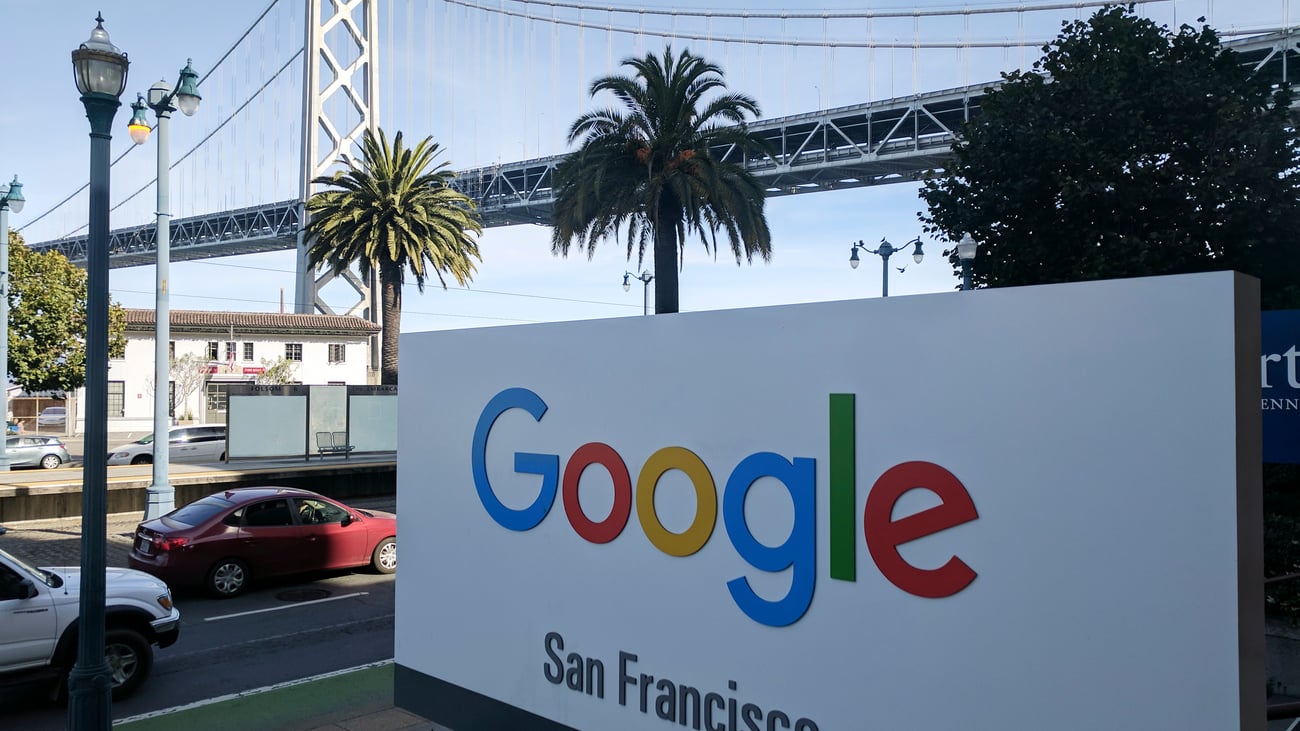
SAN FRANCISCO (CN) — Google asked a federal judge Thursday for a new trial stemming from ongoing patent disputes with a leading speaker company that was awarded over $32.5 million in damages in 2023.
U.S. Magistrate Judge Peter Kang listened to over two hours of argument from Google’s attorneys and Sonos’ counsel on several different issues about disputes of fact and the jury’s decision.
The two-week trial in May 2023, presided over by U.S. District Judge William Alsup, was the last major court proceeding in a long series of legal actions the two California-based tech companies have lobbed at each other over the past decade. Google filed a motion for a judgment as a matter of law and a new trial about a month after the jury’s verdict.
At the trial full of complex and technical testimony, Google sought a declaratory judgment of non-infringement of six patents relating to multiroom speaker technology, which Alsup eventually pared to two: patents 885 and 966, as they were referred to at trial.
In 2023, the jurors were asked to consider several questions in their deliberations. Had Google proven by clear and convincing evidence that any of five extant claims pertaining to U.S. Patent No. 10,848,885, which provided a new way to organize and use devices such as smart speakers, were invalid? Jurors said no, but Alsup, a Bill Clinton appointee, had already ruled as much before the trial had even begun.
How jurors arrived at the damages awarded to Sonos is something of a mystery and a major part of the discussions in the courtroom Thursday. With Alsup’s early ruling on the 885 patent, suggested valuations went out the window, and jurors were forced to come up with a figure to determine per-unit royalties. Google attorney Melissa Baily said the jurors were not given any comparable figures to come up with an appropriate rate.
“It’s totally untethered to the value of the patent at issue,” she said. “It’s an improper, wholly skewed, wholly fabricated upper bound, if you don’t have the relative value of the patents.”
The jurors decided on $2.30 per unit, totaling more than $32.5 million in damages. Sonos attorney Elizabeth Moulton said the jurors were given adequate instructions, and as a factfinder, the jury was allowed to make its own figure, keeping the evidence in mind and using some license figures as a ceiling.
Moulton said the price of the average Google product that uses an infringed patent was $100, and the jury’s finding of about 2% of the product’s cost was reasonable.
“They also inform Sonos’ negotiating position that the more units you sell, the higher the rate you should pay,” said Moulton.
At the 2023 trial, jurors found Google did not infringe on the claims pertaining to the original version of the accused products. As to whether Google had done the same regarding new versions of the products, jurors said no and therefore ruled out willful infringement on Google’s part.
Google and Santa Barbara-based Sonos worked together several years before to help Google services function on Sonos’ brand of speakers. Sonos claimed Google then stole Sonos’ smart speaker technology for use in its own brand, Google Home, as well as other gadgets.
Kang also heard Sonos’ motion for a permanent injunction and additional damages, arguing irreparable harm to its reputation by Google’s infringement of its patented feature that makes it possible for smart speakers to perform in coordinated groupings that can be altered or saved to help someone listen to music synchronously in more than one room at a time.
Sonos attorney Sydney Hecimovich said it wasn’t relevant for Sonos to have sought a preliminary injunction because it wanted the jury to decide the infringement case, and that was one of the reasons why it didn’t bring a preliminary injunction against Google or any of the other big competitors in the smart speaker game sooner.
“I think Sonos would love to have the resources and the ability to bring lawsuits against these other potential infringers,” said Hecimovich. “But that is just not the reality of the company.”
Baily said the royalty rate at $2.30 was “grossly excessive” to begin with, and Sonos’ licensing agreements with other companies should be used as evidence that ongoing damages and royalties weren’t necessary.
Kang asked Hecimovich if the injunction was going too far, as it wasn’t a jury finding. Baily said the evidence Sonos presented to enjoin Google was for two products, including Google Home, that have been discontinued.
Sonos also asked for a judgment as a matter of law and a new trial for the 966 patent claim, due to an objected jury instruction.
Kang was not inclined to tell the court his thoughts on the motions and took the arguments under submission.
“Orders will be submitted in due course,” he said.
Subscribe to our free newsletters
Our weekly newsletter Closing Arguments offers the latest about ongoing trials, major litigation and rulings in courthouses around the U.S. and the world, while the monthly Under the Lights dishes the legal dirt from Hollywood, sports, Big Tech and the arts.