
 Search Articles


THE HAGUE, Netherlands (CN) — Environmental group Greenpeace filed a complaint in Amsterdam against a series of civil suits brought by a U.S. energy company on Tuesday, arguing the proceedings by Energy Transfer are designed to hamstring the advocacy organization.
Greenpeace, which is based in The Netherlands, filed the lawsuit at the Court of Amsterdam, the first case to be brought under new European Union regulations aimed at fighting back against SLAPPs, or strategic lawsuits against public participation.
“If we prevail, it will send a message to corporate bullies that the age of impunity is ending. That would be a boost for civil society in the EU, and point to solutions for those battling the SLAPP phenomenon elsewhere,” said Daniel Simons, senior legal counsel at Greenpeace, said in a statement.
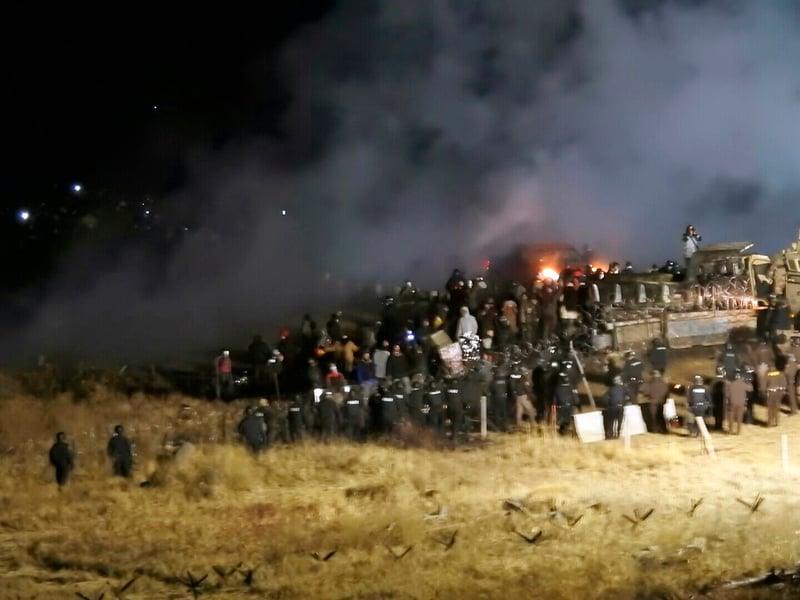
The Texas-based Energy Transfer has brought several lawsuits against Greenpeace and other organizations over the protests against a nearly 1,200-mile crude oil pipeline that spans four states. Environmentalists and the Standing Rock tribe opposed the construction, out of concerns about possible spills and tribal sovereignty.
A federal judge in North Dakota dismissed a $900 million racketeering and defamation lawsuit in 2019. Energy Transfer then brought a new case in North Dakota. Proceedings in that case are set to open on Feb. 24.
Greenpeace argues the cases are designed to bury its organization in legal fees and prevent it from focusing on advocacy work.
In May 2024, Brussels announced new regulations aimed at cutting back on unfounded lawsuits aimed at civil society organizations.
“SLAPPs undermine these fundamental rights and hinder the work of those being the watchdogs of our democracies. The new rules will protect those working and acting in the public interest from actions that aim to censor, harm, harass and silence them,” Věra Jourová, then commission vice president, said at the time.
Under the new rules, EU courts can declare a lawsuit outside of the European Union to be a SLAPP, refuse to implement financial penalties and force anyone bringing such proceedings to pay the legal fees and expenses of their targets.
Civil society organizations applauded the filing. “By invoking the EU Anti-SLAPP Directive, Greenpeace International is not only defending itself but also setting a precedent that could protect activists, journalists, and advocates everywhere. A win here would send a powerful signal: SLAPPs will not go unchallenged, and those who weaponize the legal system to stifle dissent will be held accountable," Emma Bergmans of Free Press Unlimited said in a statement.
In 2023 the United Nations Human Rights Council called on countries to protect journalists from SLAPP lawsuits. The council expressed “serious concern” at the rise of lawsuits designed to “exercise pressure, intimidate or exhaust the resources and morale of journalists, and thereby stop them from performing their work.”
Energy Transfer will have until July to respond to Greenpeace’s complaint.
 Follow @mollyquell
Subscribe to our free newsletters
Our weekly newsletter Closing Arguments offers the latest about ongoing trials, major litigation and rulings in courthouses around the U.S. and the world, while the monthly Under the Lights dishes the legal dirt from Hollywood, sports, Big Tech and the arts.