
 Search Articles


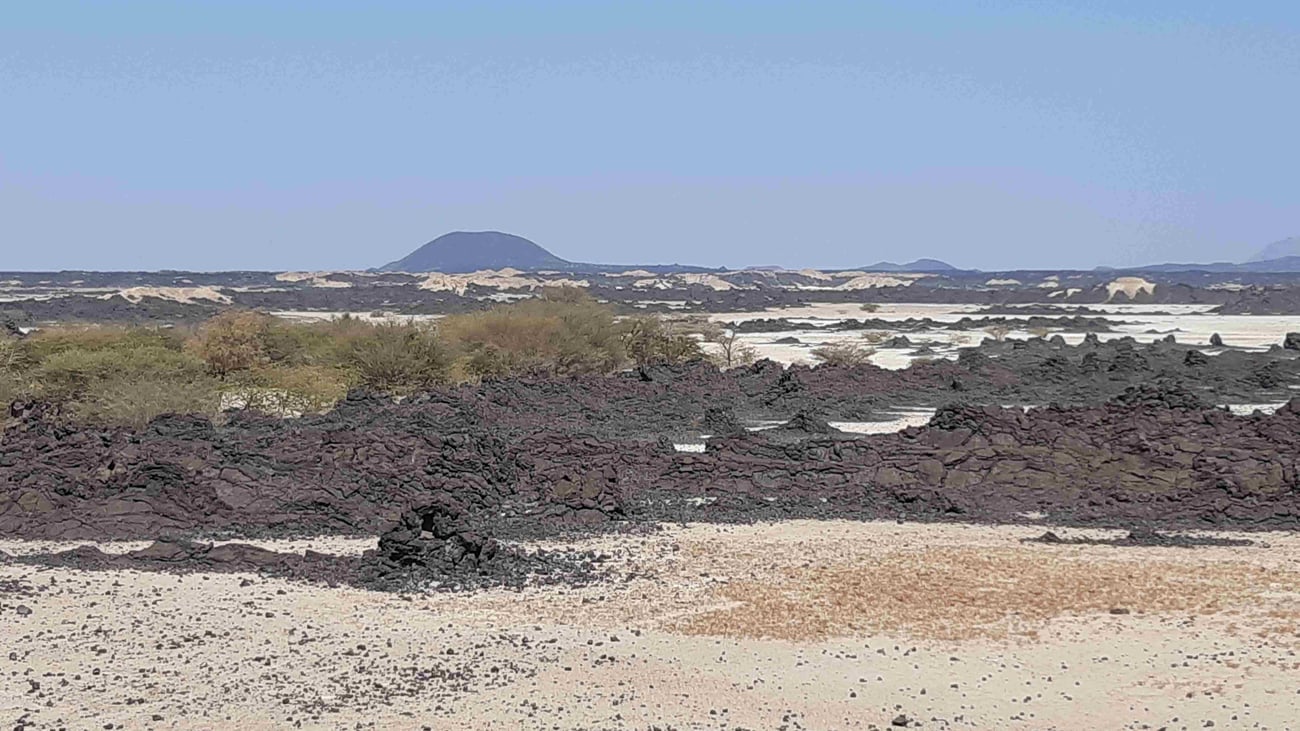
(CN) — A series of massive volcanic eruptions, not a catastrophic asteroid strike, likely triggered one of Earth’s most abrupt climate reversals nearly 13,000 years ago, scientists say in a new geochemical study.
In a paper published Wednesday in Science Advances, researchers present sediment records suggesting eruptions injected enough material into the atmosphere to cool the Northern Hemisphere and disrupt major ocean circulation systems.
The findings add to growing evidence against the Younger Dryas impact hypothesis, which proposes an extraterrestrial collision sparked a sudden return to near-glacial conditions during a period in which the planet had been warming.
The Younger Dryas time period, spanning roughly 12,900 to 11,700 years ago, has long puzzled scientists. As the planet emerged from the last Ice Age, temperatures in the Northern Hemisphere suddenly dropped back to near-glacial levels.
Inspired by existing skepticism of the theory, Texas A&M University researchers analyzed isotopic signatures preserved in sediments from the Page-Ladson site in Florida alongside comparable records from Texas.
“The Younger Dryas has been one of the most hotly debated climate events in Earth’s recent history," said lead author Lucien Nana Yobo, a professor at Texas A&M. “For years, some researchers proposed a cosmic impact as the trigger, but the evidence for that has remained limited and difficult to reproduce. What we’re seeing instead is a clear and consistent volcanic signal across multiple sites and ice core records, which points to a much more likely explanation for the cause of the abrupt cooling during the Younger Dryas.”
Researchers examined isotopes and rare metals like iridium, platinum and rhenium that help distinguish between cosmic and volcanic sources. The team found sediment layers marking the start of the Younger Dryas contain unradiogenic osmium isotope ratios, a signal consistent with volcanic activity rather than extraterrestrial debris.
Similar signatures across multiple North American sites suggest a widespread eruption event.
Those geochemical signals also align with ice core records from Greenland and Antarctica showing a roughly 110-year period of heightened volcanic activity just before the Younger Dryas began. The combined atmospheric impact of those eruptions exceeded that of any comparable volcanic period in recorded history.
One likely mechanism involved is the Atlantic Meridional Overturning Circulation (AMOC), a system of ocean currents that helps regulate global climate. Disruptions to this system, such as volcanic eruptions, can trigger rapid cooling, particularly in the North Atlantic.
While earlier studies pointed to the increased presence of platinum as evidence of a cosmic event, the researchers argue those signals are neither consistent nor uniquely extraterrestrial. Some platinum spikes predate the Younger Dryas.
The researchers also note in the study the absence of definitive impact evidence such as shocked minerals or craters. In addition, continent-wide impacts are incredibly rare, making multiple events in a short period highly unlikely.
However, volcanic eruptions are more common during deglaciation, as retreating ice reduces pressure on Earth’s crust and increases magma production.
While debate over the Younger Dryas continues, the study provides some of the strongest evidence yet that volcanic activity may be to blame for one of the planet’s most dramatic climate changes.
Subscribe to our free newsletters
Our weekly newsletter Closing Arguments offers the latest about ongoing trials, major litigation and rulings in courthouses around the U.S. and the world, while the monthly Under the Lights dishes the legal dirt from Hollywood, sports, Big Tech and the arts.
Additional Reads



 Stars may speed up before death April 27, 2026