
 Search Articles


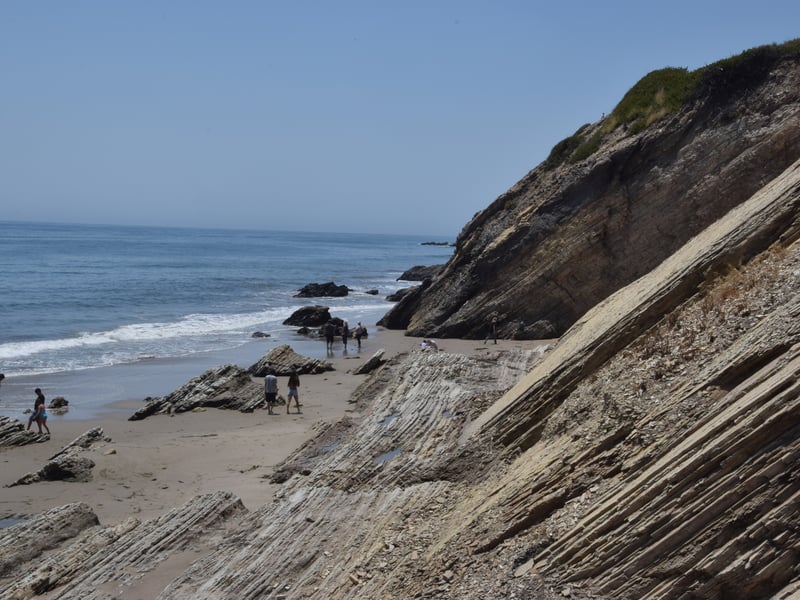
SAN DIEGO (CN) — Work on improving public access to a stretch of spectacular coastline in Santa Barbara County jealously guarded by wealthy residents is making steady progress, an official with the California Coastal Commission said on Wednesday at the agency’s monthly meeting.
Two consultant groups, one working closely with four Native American tribal groups, have prepared pedestrian surveys, an environmental impact report and a tribal resource assessment of the coastline next to Hollister Ranch, said Linda Lockland, the commission’s coastal access program manager, at an informational briefing at Wednesday’s meeting.
The 14,000-acre Hollister Ranch in western Santa Barbara County is home to a wealthy enclave of gated communities, celebrities, a cattle operation and eight miles of pristine undeveloped Pacific Ocean shoreline.
Landowners have tried to lawyer up, sue and lobby against efforts to build better public access routes to the coast for people who don’t own multimillion dollar homes in the area and want to enjoy a slice of the Gaviota Coastline.
But in California, state law mandates the California Coastal Commission to both protect the coastline and ensure every Californian has access to it — not just rich people.
In 2019, California lawmakers passed Assembly Bill 1680, which requires Hollister Ranch owners to maintain a public access program for their coastline. The law mandates a “program that implements specified portions of the program providing land access that includes a first phase of public access to the beach.”
The consultants and their reports are a part of implementing that law.
Their reports were presented to the state’s Coastal Conservancy agency in June, but they’re confidential, Lockland said.
Later this year the consultant groups will hold public meetings about the program, and take any comments from the public, she added, but specific dates weren’t given.
Lockland said she received one letter from the Northern Chumash Tribal Council about the project.
The letter requests tribal access to Hollister Ranch because of the site’s cultural, spiritual, and historical connection to the land.
“Hollister Ranch is situated within an area of significant cultural importance to the Northern Chumash Tribal Council. Access to this land would enable us to engage in traditional ceremonies, cultural practices, and educational activities that are essential for maintaining our cultural identity. These activities not only preserve our heritage but also contribute to broader conservation efforts, as traditional practices often include the sustainable management of natural resources,” wrote Violet Sage Walker, chairwoman of the council, in the letter.
Lockland said the letter would be forwarded to the ranch’s homeowners association since the state only has the authority to grant access to the beach, not the ranch itself.
Sage Walker said both the beach and the ranch are culturally important, and the council left interpretation of whether they meant the beach or the ranch itself “kind of open.” The letter, she said, was submitted so that the council could participate in the consultation process.
“Informally there’s been vandalism of facilities that are necessary for the public to gain boat access and intimidation in the waves. The result has been a privatization of these public lands,” said Marc Chytilo, an attorney involved in litigation to increase access to the Hollister Ranch beach, during the meeting’s public comment period.
“These are public lands. These are not private lands that we’re seeking to use, the public is just trying to get to the state tidelands that are a part of the sovereign part and lands of California,” Chytilo added.
Subscribe to our free newsletters
Our weekly newsletter Closing Arguments offers the latest about ongoing trials, major litigation and rulings in courthouses around the U.S. and the world, while the monthly Under the Lights dishes the legal dirt from Hollywood, sports, Big Tech and the arts.