
 Search Articles


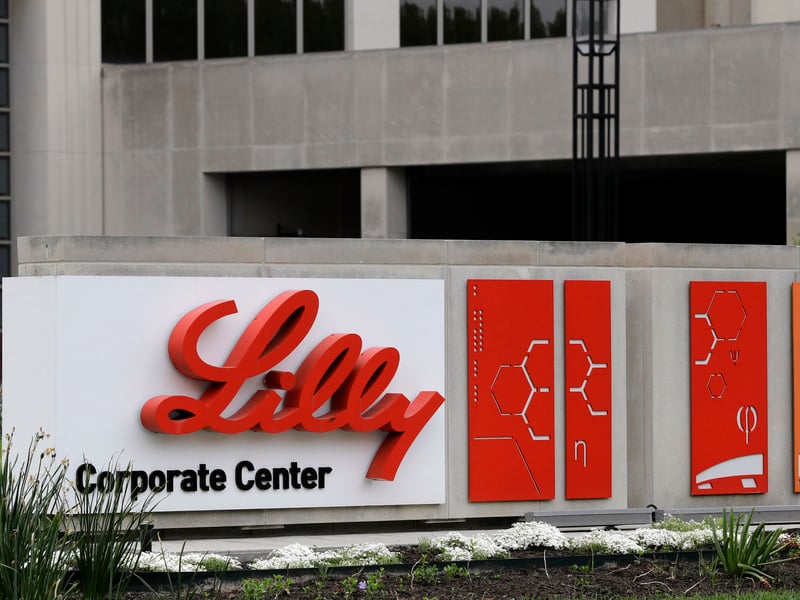
(CN) — Iowa Attorney General Brenna Bird on Thursday sued 18 insulin manufacturers and pharmacy benefit managers over a massive insulin price-rigging scheme impacting hundreds of thousands in the state.
“Artificially increasing prices to profit off of people who could die without your product is terrible,” Bird said in a press release. “We are suing so Iowans can afford the medicine they need to live and to prevent pharmacy benefit managers and insulin manufacturers from gaming the system at the expense of vulnerable people.”
In the lawsuit filed in Iowa’s U.S. District Court for Polk County, the state claims a handful of insulin manufacturers and pharmacy benefit managers control more than 80% of the market and exploit their power to artificially inflate the price at the expense of the patients.
In the suit, Bird names 18 insulin manufacturers and “pharmacy benefit managers,” which are middlemen in the prescription drug supply chain, according to the American Medical Association.
Bird charges these defendants with violations of the Iowa Consumer Fraud Act, unjust enrichment and civil conspiracy for their part in artificially inflating insulin prices in order to maximize profit for pharmacy benefit managers in exchange for access to diabetic patients.
The most well-known of those middlemen named in the lawsuit are CVS Caremark, Express Scripts and OptumRx. The trio controls around 80% of the pharmacy benefit managers market, giving them immense power over drug formularies, which are lists that determine which drugs are available at what cost.
If a drug doesn’t make the list, it won’t be covered by health insurance. Even being placed low on the list could mean losses in the millions. This, as Bird describes in the 145-page complaint, is the foundation of what she refers to as the insulin pricing scheme.
To ensure their place on the list, manufacturers like Eli Lilly, Novo Nordisk and Sanofi mark up the list price of their medications. Pharmacy benefit managers get rebates from manufacturers to be named at the top.
The attorney general estimated at least 300,000 Iowans rely on daily insulin treatments to survive. Since 2003, the list price of certain insulins has increased by more than 1000% in the state.
By 2016, the average price per month of the four most popular types of insulin rose to $450 — and costs continue to rise, according to Bird.
As a result, low-income diabetics in Iowa are forced to reuse needles, inject expired insulin, ration their medication and even starve themselves to control blood sugar.
Manufacturers testified before the U.S. Senate in 2023 that between $0.75 and $0.84 of every dollar spent on the list price of insulin goes to pharmacy benefit managers.
In addition to the rebates, pharmacy benefit managers receive administrative fee payments from manufacturers that valued upwards of $16 billion between 2012 and 2016, according to Bird.
The pay-to-play structure of the drug formulary list only serves to drive up prices for consumers and line the pockets of pharmaceutical middlemen, Bird claimed: “Indeed, the manufacturers’ list prices have become so untethered from their net prices” they constitute unlawful pricing.
Bird asked the court to permanently enjoin the 18 defendants from engaging in the unfair and deceptive price-fixing practices she laid out in the complaint. Even taking it a step further, she asked that they pay restitution and other relief to affected consumers.
For the state, a $40,000 penalty against each defendant for each separate violation of the CFA, plus attorney fees.
Diabetes medication was originally priced at $20 when released in the late 1990s. It cost less than $2 to produce, and that starting price has only declined as technology advanced.
Despite this, the sticker price for the exact same drug has skyrocketed over the last 15 years and become a stand-in for the ever-more expensive American health care system.
Representatives from each defendant in the suit testified in 2019 before the U.S. House of Representatives Committee on Energy and Commerce that the prices are too high and unrelated to the cost of production.
Dr. Sumit Dutta, chief medical officer of OptumRx, told the committee “a lack of meaningful competition allows the manufacturers to set high list prices and continually increase them, which is odd for a drug that is nearly 100 years old, and which has seen no significant innovation in decades.”
Each went on to testify, as quoted by Bird in the complaint, that the increasing list prices are a quid pro quo for positions on the list, all but handing Bird a smoking gun to prove her insulin pricing scheme.
Improved access to insulin at a reasonable cost would avert 699,000 emergency department visits and 341,000 hospitalizations annually, for savings of $4.7 billion, according to Bird. Instead, nearly half of diabetics report rationing their insulin supply because of its cost.
Similar lawsuits have been filed by attorneys general in Delaware, Virginia and Texas to address price hike conspiracies that price diabetics out of life-saving treatment.
To hammer her point home, Bird recalled that the original patent for insulin sold for $1 — a symbolic move meant to ensure the medication would remain affordable. Today, she says, it’s the poster child for unaffordable American drug prices.
 Follow @desdev5
Subscribe to our free newsletters
Our weekly newsletter Closing Arguments offers the latest about ongoing trials, major litigation and rulings in courthouses around the U.S. and the world, while the monthly Under the Lights dishes the legal dirt from Hollywood, sports, Big Tech and the arts.