Search Articles


OAKLAND, Calif. (CN) — A federal judge declined on Thursday to halt Northern California water infrastructure projects that a group of environmental nonprofits say will harm several vulnerable fish species.
Denying a temporary restraining order, U.S. District Judge Jennifer Thurston said neither the plaintiffs — the Center for Biological Diversity, the San Francisco Baykeeper and Friends of the River — nor the U.S. Bureau of Reclamation provided her an argument on how to interpret the terms of a Endangered Species Act biological opinion for the Central Valley Project.
“The bottom line is that the court cannot readily determine on this record whether plaintiffs’ interpretation of the [biological opinion’s] requirements is superior to or even competitive with Reclamation’s,” she wrote. “Thus, the court cannot find either likely success on the merits or a ‘serious question’ at this time.”
The denial is without prejudice, however, the Joe Biden appointee wrote, noting briefing for a preliminary injunction is ongoing, and more clarity may be provided.
The Central Valley Project and the California’s State Water Project include dams, reservoirs, water diversion facilities, conveyance channels, pumping facilities, and other water infrastructure that uses the flow of fresh water from upstream rivers, including the Sacramento and San Joaquin Rivers, into the Sacramento-San Joaquin Delta and the San Francisco Bay.
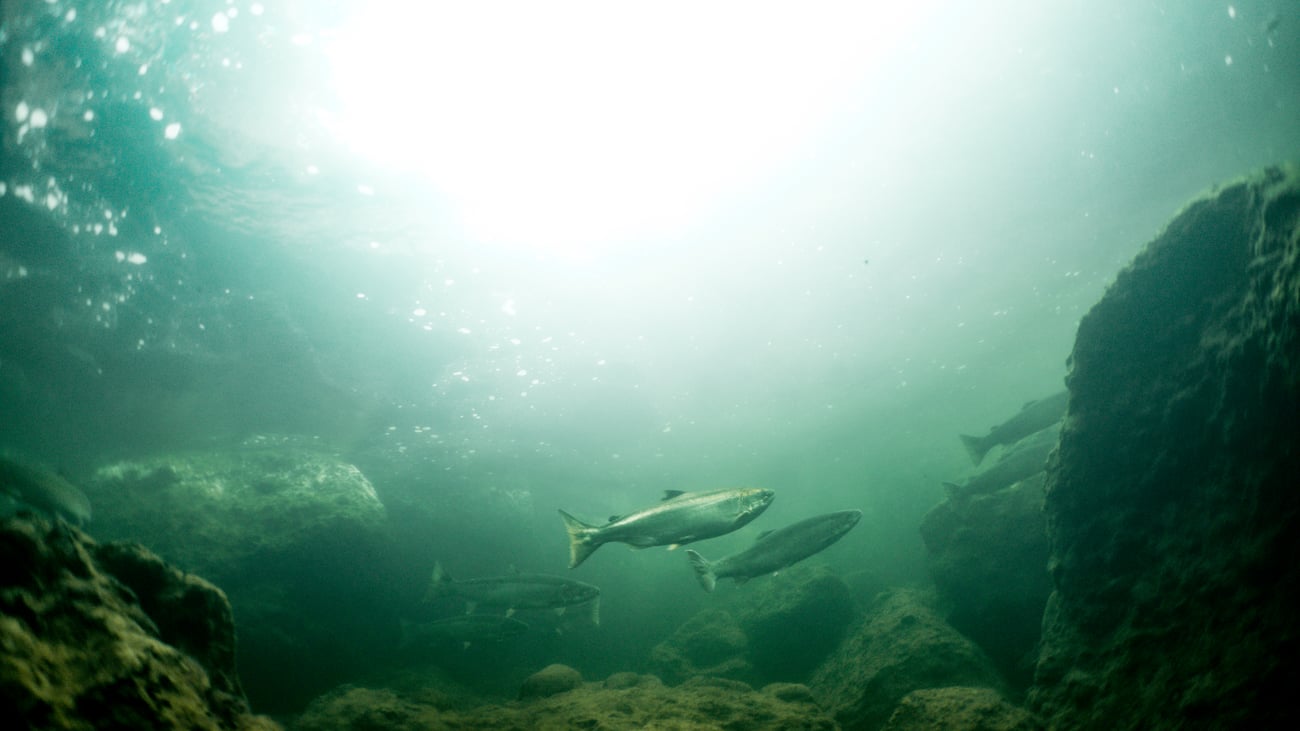
In their March lawsuit, the three environmental organizations say the projects threaten fish like the Chinook salmon, steelhead trout and Northern American green sturgeon.
They say the Bureau of Reclamation’s plans didn’t align with the requirements of a 2024 Endangered Species Act biological opinion provided by the National Marine Fisheries Service. The plans, the nonprofits said, affect water temperature and salinity, which can adversely affect fish at all life stages.
“It may be that Reclamation’s interpretation of the biological opinion requirements is ultimately in conflict with the overall goals of the biological opinion and that this conflict may inform the court’s evaluation of the parties’ positions,” Thurston wrote. “But this is not entirely clear, given that the proposed action, which the biological opinion ultimately approved, is designed to serve multiple purposes.”
The Central Valley Project is a large system that moves water from the delta to the Central Valley, mostly for agricultural use. In addition to changing water temperature, it also blocks access to fish breeding areas, the groups said.
The groups asked a federal judge to declare that the bureau has violated the Endangered Species Act and stop it from taking action that harms the endangered fish.
“We’re disappointed that the court failed to protect imperiled fish species from the Bureau’s unlawful operation of the Shasta Dam and reservoir,” Harrison Beck, a Center for Biological Diversity staff attorney, said in a statement to Courthouse News. “Today’s ruling allows the Bureau to continue operating the dam and reservoir in a manner that is likely to harm winter-run Chinook Salmon and other endangered and imperiled species in significant and avoidable ways. These iconic species deserve the protection they’re entitled to under the law, and we’re going to keep fighting to make sure they get it.”
The California State Water Resources Control Board — which reviews and approves plans considering state law requirements imposed on the projects — requested that the final plans include additional measures that “are more likely to result in favorable temperature management conditions for winter-run and fall-run Chinook salmon.”
However, in June, the board rejected the final plans because they didn’t meet carryover storage requirements that would improve conditions for the salmon.
The U.S. Bureau of Reclamation declined to comment, citing pending litigation.
Subscribe to our free newsletters
Our weekly newsletter Closing Arguments offers the latest about ongoing trials, major litigation and rulings in courthouses around the U.S. and the world, while the monthly Under the Lights dishes the legal dirt from Hollywood, sports, Big Tech and the arts.