
 Search Articles


(CN) — Utilities and cities across California secured a victory Thursday in a water dispute that hinged on contracts between the federal government and local agencies.
U.S. District Judge Jennifer Thurston granted summary judgment to the U.S. Interior Department and a host of cities and agencies, dismissing the case against them. A coalition of environmental groups, headed by the North Coast Rivers Alliance, failed to persuade her that Central Valley Project water deliveries require judicial approval.
After years of litigation, the environmental coalition had one remaining claim: that no water delivery by a federal reclamation project to an irrigation district could occur without a proper court confirming the contract.
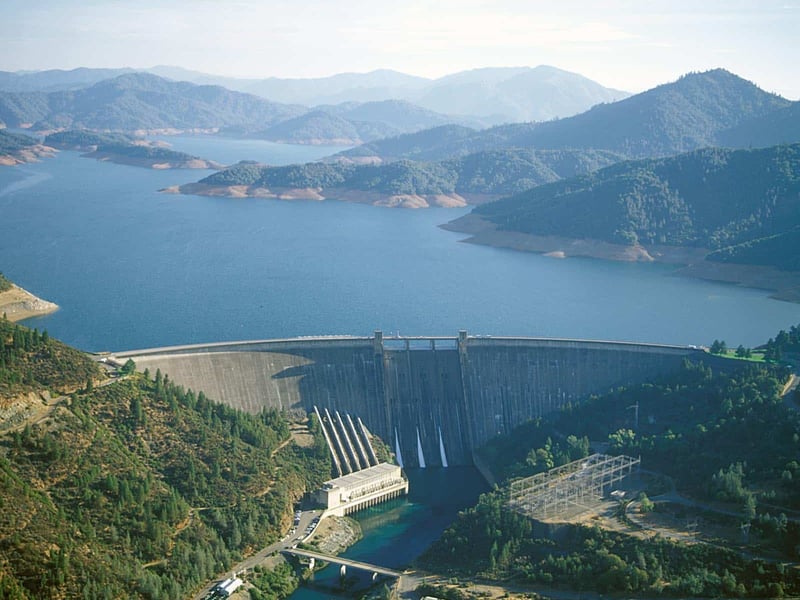
The Central Valley Project, operated by the U.S. Bureau of Reclamation, supplies water to over 250 water contractors, with most using it for agriculture. The government uses the contracts to recoup some costs of building the water project.
The coalition argued that two defendants, Westlands Water District Distribution District No. 1 and 2, tried to have a Fresno County Superior Court judge validate its contracts — attempts that failed. That meant the bureau couldn’t deliver water under its contracts with them, the environmentalists argued.
The coalition said the bureau would approve contracts with other contractors, also without getting the necessary judicial approval.
The Joe Biden appointee pointed to the plaintiffs’ arguments on their definition of a “new” project, and determined their definition was faulty.
The defendants argued the law in question didn’t apply, as the contract didn’t include water deliveries in a “new” project.
The coalition argued the Central Valley Project didn’t exist in 1926, when the law in question was passed. That made the Central Valley Project “new.”
However, Thurston noted that doesn’t mean the law the coalition pinned its argument on applied in this case.
“The statutory language is triggered only once for each ‘new’ project or division: after completion but before the first water delivery,” the judge said. “The court can only assume from plaintiffs’ own arguments that the CVP was ‘completed’ for purposes of [the law] long ago, and nothing in this record suggests otherwise. The court sees no material ambiguity in this language.”
Additionally, Thurston noted another Golden State federal judge already touched on the issue in a 2022 motion to intervene. In a footnote, U.S. District Judge Dale Drozd said the plaintiffs never tried to explain why a “new” project applied to the contracts.
Thurston called several other arguments made by the coalition unpersuasive and irrelevant. Some were based on the original complaint, which had since been amended and those specific claims dropped.
The coalition argued that Westlands’ attempt to gain validation through the Fresno County court showed it was required by the federal law. However, Thurston said the terms of the contract itself required that validation.
“In sum, the court finds that the plain language of [the law] does not preclude the delivery of water under Westlands’ … contracts simply because those contracts have not been validated,” Thurston added.
Attorneys for the plaintiffs couldn’t be reached for comment.
A spokesperson for the Bureau of Reclamation said in a statement to Courthouse News that the judge’s decision confirms it acted within its legal authority.
“This ruling provides important certainty for water users and reinforces Reclamation’s ability to manage critical water infrastructure consistent with federal law,” the spokesperson added.
Subscribe to our free newsletters
Our weekly newsletter Closing Arguments offers the latest about ongoing trials, major litigation and rulings in courthouses around the U.S. and the world, while the monthly Under the Lights dishes the legal dirt from Hollywood, sports, Big Tech and the arts.